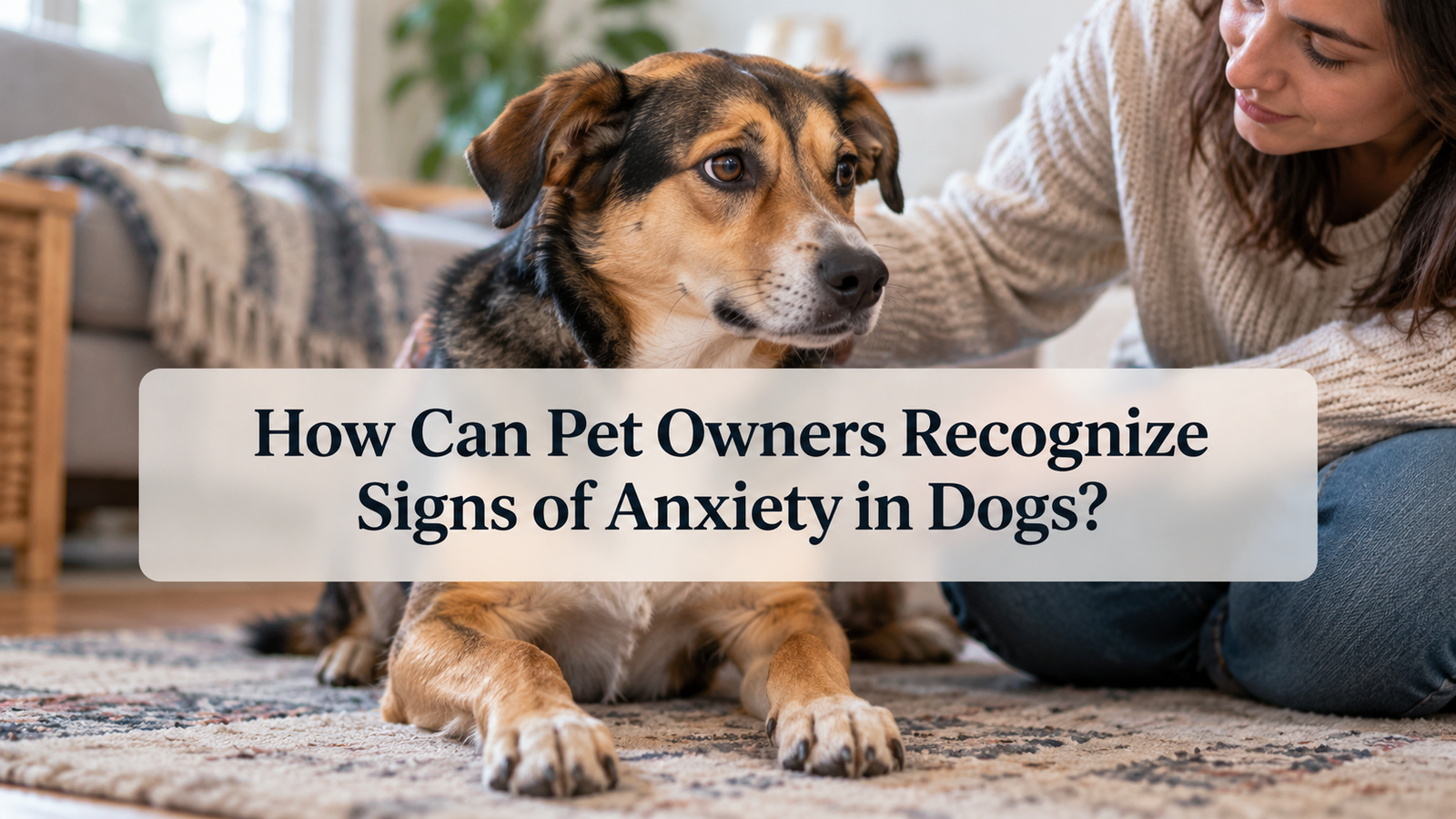
Dogs are known for their loyalty, playful nature, and strong relationships with their owners. They enjoy spending time with family members, exploring their surroundings, and following familiar daily routines. However, dogs can also experience emotional difficulties, including fear, stress, and anxiety. These feelings may affect their behavior, appetite, sleeping habits, and overall health.
Recognizing the signs of anxiety in dogs is an important responsibility for every pet owner. Unlike humans, dogs cannot explain when something makes them uncomfortable. Instead, they communicate through body language, sounds, facial expressions, and changes in behavior.
Some signs of dog anxiety are easy to notice, while others are surprisingly subtle. A dog may appear restless, avoid certain situations, or suddenly become unusually quiet. Understanding these changes helps owners identify potential problems and provide appropriate support.
This article explains how pet owners can recognize anxiety in dogs, understand its common causes, and create a comfortable environment that supports their emotional well being.
What Is Anxiety in Dogs?
Anxiety in dogs is an emotional response that occurs when an animal feels worried, threatened, or uncertain about a situation. It can develop because of unfamiliar surroundings, separation from an owner, loud noises, or previous frightening experiences.
Occasional fear is a normal part of canine behavior. For example, a dog may become nervous during a thunderstorm or when meeting unfamiliar people. However, anxiety becomes more concerning when these reactions occur frequently, last for long periods, or interfere with everyday activities.
Dogs experiencing anxiety may struggle to relax even when there is no immediate danger. Their bodies remain alert, and they may react strongly to ordinary sounds or movements.
Understanding the difference between temporary fear and ongoing anxiety helps pet owners decide when additional support is necessary.
1. Excessive Barking and Whining
One of the most noticeable signs of anxiety in dogs is excessive vocalization.
Dogs naturally bark to communicate, protect their surroundings, or attract attention. However, repeated barking, whining, or howling may indicate emotional discomfort.
An anxious dog may bark continuously when left alone, whine during unfamiliar situations, or become unusually vocal around strangers.
Separation anxiety is one possible explanation, particularly when the behavior begins shortly after an owner leaves home.
Pet owners should observe when the barking happens and whether other signs of distress appear at the same time.
Excessive barking does not always indicate anxiety because boredom, excitement, and environmental noises can produce similar reactions.
2. Restlessness and Constant Pacing
Dogs usually move around their homes throughout the day. However, repeated pacing without an obvious purpose can sometimes indicate anxiety.
An anxious dog may walk continuously between rooms, circle around furniture, or struggle to settle in one place.
This behavior may become more noticeable before thunderstorms, during family gatherings, or when the dog anticipates being left alone.
Some dogs repeatedly follow their owners because staying close provides a sense of security.
Restlessness can also occur because of pain or physical discomfort. If pacing develops suddenly or continues without a clear reason, a veterinary examination is important.
3. Excessive Panting Without Physical Activity
Panting is a normal way for dogs to regulate their body temperature. Dogs commonly pant after exercise or during hot weather.
However, unusual panting while resting in a comfortable environment may be a sign of anxiety.
A frightened dog may breathe rapidly when hearing fireworks, visiting a veterinary clinic, or encountering an unfamiliar situation.
Pet owners may also notice trembling, pacing, or a tense body posture.
Because excessive panting can also indicate overheating, pain, or serious medical problems, it should never be attributed to anxiety automatically.
Heavy panting accompanied by difficulty breathing, weakness, collapse, or abnormal gum color requires immediate veterinary attention.
4. Trembling and Shaking
Trembling is another common physical sign of fear and anxiety in dogs.
Some dogs shake during thunderstorms, fireworks, car journeys, or stressful social interactions.
Their muscles may become tense, and they may hold their bodies close to the ground.
Small dogs sometimes appear more visibly shaky, but anxiety related trembling can occur in dogs of any breed or size.
Shaking may also develop because of cold temperatures, pain, poisoning, or illness.
Owners should consider the surrounding circumstances before deciding whether anxiety is responsible.
5. Hiding and Avoiding Interaction
Dogs generally enjoy familiar surroundings and trusted family members. When a normally social dog suddenly begins hiding, it may be experiencing emotional distress.
An anxious dog may hide beneath furniture, retreat into another room, or avoid eye contact.
Some dogs move away when visitors arrive or attempt to escape situations that make them uncomfortable.
Hiding is often a protective response. The dog may be seeking a quiet environment where it feels safer.
Pet owners should avoid forcing a frightened dog to interact with people or animals. Allowing the dog to maintain a comfortable distance can reduce unnecessary stress.
Persistent withdrawal should also be discussed with a veterinarian because illness and pain can cause similar behavior.
6. Destructive Behavior Around the Home
Chewing furniture, scratching doors, and damaging household objects can sometimes be associated with anxiety.
This behavior is particularly important when it occurs during an owner’s absence.
Dogs experiencing separation related distress may scratch doors, chew nearby objects, or attempt to escape from confined spaces.
However, destructive behavior does not automatically mean that a dog has anxiety.
Young dogs may chew because they are teething, while other dogs may damage objects because of boredom or insufficient physical activity.
Understanding when and why the behavior occurs is essential.
Punishment after discovering damaged furniture is unlikely to help an anxious dog and may increase fear.
7. Changes in Appetite and Eating Habits
A dog’s eating habits can provide useful information about its emotional condition.
Some anxious dogs lose interest in food during stressful situations. Others may eat unusually quickly or become reluctant to accept treats.
For example, a dog may refuse food during travel or while staying in an unfamiliar environment.
Temporary appetite changes can occur during emotional stress, but continued food refusal should not be ignored.
Dental problems, digestive disorders, infections, and other medical conditions can also affect appetite.
Owners should contact their veterinarian if their dog stops eating, especially when vomiting, weakness, or other symptoms are present.
8. Excessive Licking and Repetitive Behavior
Dogs naturally lick themselves as part of normal grooming. However, frequent licking of the paws, legs, or other body areas can sometimes occur during anxiety.
Some dogs repeat the same actions because the behavior appears to provide temporary comfort.
Other repetitive behaviors may include spinning, tail chasing, or repeatedly moving along the same path.
These behaviors deserve attention when they become excessive or difficult to interrupt.
Importantly, constant licking is often associated with allergies, skin irritation, infection, or pain.
A veterinary examination can help identify physical causes before the behavior is considered anxiety related.
9. Changes in Body Language
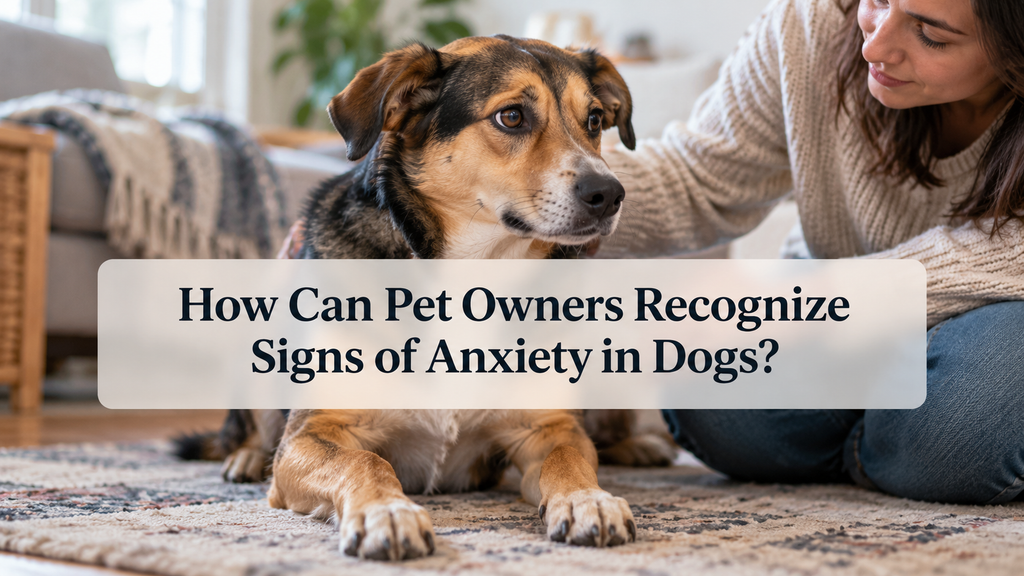
A dog’s body language often reveals emotional discomfort before obvious behavioral problems appear.
Learning to recognize subtle body signals can help owners respond before anxiety becomes severe.
Common signs of dog anxiety include:
- Ears pulled backward or held tightly against the head
- Tail tucked between the legs
- Lowered body posture
- Tense facial muscles
- Repeated lip licking when food is not present
- Frequent yawning outside normal tiredness
- Avoiding direct interaction
- Showing the whites of the eyes
- Freezing or becoming unusually still
These signals should be interpreted together with the situation.
For example, yawning alone does not prove that a dog is anxious. However, yawning combined with trembling, avoidance, and a tucked tail may suggest discomfort.
Observing several signals together provides a clearer understanding of a dog’s emotional state.
10. Unusual Toilet Accidents
Dogs experiencing significant anxiety may occasionally urinate or defecate indoors, even when they are normally trained.
This behavior can occur during intense fear or separation related distress.
For example, a dog that becomes extremely upset when left alone may have accidents despite having regular outdoor toilet opportunities.
However, house soiling has many possible causes.
Urinary infections, digestive problems, age related changes, and insufficient toilet training can produce similar symptoms.
Owners should never assume that indoor accidents are deliberate acts of disobedience.
A veterinarian can help identify whether a medical condition is contributing to the problem.
What Are the Common Causes of Anxiety in Dogs?
Understanding the causes of anxiety is just as important as recognizing its symptoms.
Different dogs respond differently to stressful experiences. A situation that frightens one dog may have little effect on another.
Separation From Family Members
Some dogs become distressed when separated from people they are strongly attached to.
They may bark, pace, destroy objects, or attempt to escape when left alone.
This condition is commonly called separation anxiety, although not every dog that dislikes being alone has the disorder.
Loud and Unexpected Noises
Fireworks, thunderstorms, construction sounds, and sudden loud noises can trigger fear.
Dogs have sensitive hearing, and unexpected sounds may cause intense reactions.
Changes in Daily Routine
Moving to a new home, changing feeding schedules, or introducing new family members can create uncertainty.
Dogs often feel more comfortable when daily activities follow familiar patterns.
Unfamiliar People and Animals
Some dogs become nervous when meeting strangers or encountering unfamiliar animals.
Limited positive social experiences may contribute to these reactions.
Previous Frightening Experiences
Dogs that have experienced frightening or painful events may develop anxiety around reminders of those experiences.
A dog may become fearful of particular locations, sounds, objects, or handling procedures.
How Can Pet Owners Tell Whether Their Dog Is Anxious?
Recognizing dog anxiety requires careful observation rather than focusing on one isolated behavior.
Pet owners should pay attention to changes in normal habits and consider the circumstances surrounding each reaction.
For example, if a dog becomes restless whenever its owner prepares to leave, the behavior may be associated with separation.
If trembling occurs mainly during thunderstorms, noise sensitivity may be involved.
Keeping a simple behavior diary can help identify patterns.
Owners can record when symptoms begin, how long they continue, and what happens immediately before and after the behavior.
Short video recordings may also help veterinarians or qualified behavior professionals assess the dog’s reactions.
This information makes it easier to distinguish emotional distress from ordinary behavior.
How Can Pet Owners Help an Anxious Dog?
Helping an anxious dog requires patience, consistency, and an understanding of its individual needs.
Create a Safe and Quiet Environment
Provide a comfortable resting area where the dog can relax without unnecessary disturbance.
A familiar bed, quiet room, and predictable surroundings may help some dogs feel more secure.
During fireworks or thunderstorms, closing curtains and reducing outside noise may be useful.
Maintain a Consistent Daily Routine
Regular feeding times, walks, exercise, and sleeping schedules can make daily life more predictable.
Consistency may help reduce uncertainty in dogs that are sensitive to changes.
Provide Suitable Physical Exercise
Regular physical activity supports canine health and provides opportunities for exploration.
Walking, supervised play, and activities appropriate for the dog’s age and physical condition can help meet its daily needs.
Exercise alone will not resolve every anxiety disorder, but it can support a balanced routine.
Encourage Mental Stimulation
Puzzle feeders, scent games, and appropriate training activities can provide constructive ways for dogs to use their energy.
Positive experiences may improve confidence and reduce boredom.
Activities should remain enjoyable rather than overwhelming.
Use Positive Reinforcement
Rewarding calm behavior can help dogs develop more comfortable responses to everyday situations.
Treats, praise, and gentle encouragement can support learning.
Owners should avoid shouting, intimidation, or punishment when dogs display fearful behavior.
Introduce Stressful Situations Gradually
Some dogs benefit from carefully planned exposure to situations they find frightening.
This process should begin at an intensity that does not trigger significant fear and progress slowly.
A qualified behavior professional can guide owners through appropriate training methods.
Forcing a dog to face a frightening situation may make its anxiety worse.
When Should Pet Owners Seek Professional Help?
Occasional nervousness does not always require treatment. However, persistent or severe anxiety deserves professional attention.
Pet owners should consult a veterinarian when their dog repeatedly panics, injures itself while attempting to escape, shows aggression related to fear, or becomes unable to eat, sleep, or relax normally.
Professional help is also important when anxiety appears suddenly without an obvious explanation.
A veterinarian can assess possible medical causes and recommend an appropriate treatment plan.
For some dogs, treatment may involve behavior modification, environmental changes, and guidance from a qualified canine behavior specialist.
Dogs with severe anxiety may also benefit from veterinarian prescribed medication alongside behavioral treatment.
Owners should never give human anxiety medication to dogs without veterinary instructions.
Can Anxiety in Dogs Be Prevented?
Not every case of dog anxiety can be prevented. Genetics, early experiences, environmental conditions, and individual temperament can all influence emotional responses.
However, pet owners can take practical steps to support emotional resilience.
Providing gentle social experiences during puppyhood, maintaining predictable routines, rewarding desirable behavior, and respecting a dog’s comfort limits can help build confidence.
Owners should also recognize early signs of discomfort instead of waiting until the dog becomes extremely frightened.
Regular veterinary care supports early identification of medical problems that may contribute to behavioral changes.
A supportive home environment cannot guarantee that anxiety will never develop, but it can improve a dog’s overall quality of life.
Frequently Asked Questions About Anxiety in Dogs
What are the first signs of anxiety in dogs?
Early signs may include repeated lip licking, yawning, pacing, trembling, hiding, or changes in body posture. Some dogs become unusually quiet, while others bark more frequently. The combination of symptoms and the surrounding situation helps identify possible anxiety.
Can dogs develop anxiety suddenly?
Yes. Dogs may begin showing anxiety after frightening experiences, changes in their environment, or disruptions to familiar routines. However, sudden behavioral changes can also indicate medical problems and should be evaluated by a veterinarian.
Does anxiety affect a dog’s physical health?
Ongoing anxiety can interfere with eating, sleeping, and normal daily activities. Some dogs may develop digestive upset or repetitive behaviors. Persistent symptoms deserve veterinary attention because physical illness can also contribute to anxiety.
Can dogs recover from anxiety?
Many dogs improve with appropriate care, consistent routines, behavioral training, and professional support. Some require long term management, especially when anxiety is severe. Progress depends on the individual dog and the underlying cause.
Should pet owners comfort an anxious dog?
Yes. Calm reassurance and allowing a frightened dog to seek closeness can help it feel secure. Owners should respect the dog’s preferences and avoid forcing physical contact. Comforting a frightened dog does not automatically reinforce its fear.
Conclusion
Recognizing the signs of anxiety in dogs is essential for protecting their emotional and physical well being. Excessive barking, trembling, pacing, hiding, destructive behavior, appetite changes, and unusual body language can all indicate that a dog is experiencing discomfort.
However, these symptoms do not always mean anxiety is the underlying cause. Pain, illness, and environmental factors can produce similar reactions.
The most effective approach is to observe changes carefully, identify possible triggers, maintain a supportive environment, and seek veterinary guidance when necessary.
Dogs depend on their owners to understand signals they cannot express through words. By responding with patience, kindness, and appropriate care, pet owners can help anxious dogs feel safer and enjoy a more comfortable life.
A dog that feels secure is better able to relax, explore its surroundings, and build a trusting relationship with the people who care for it.