
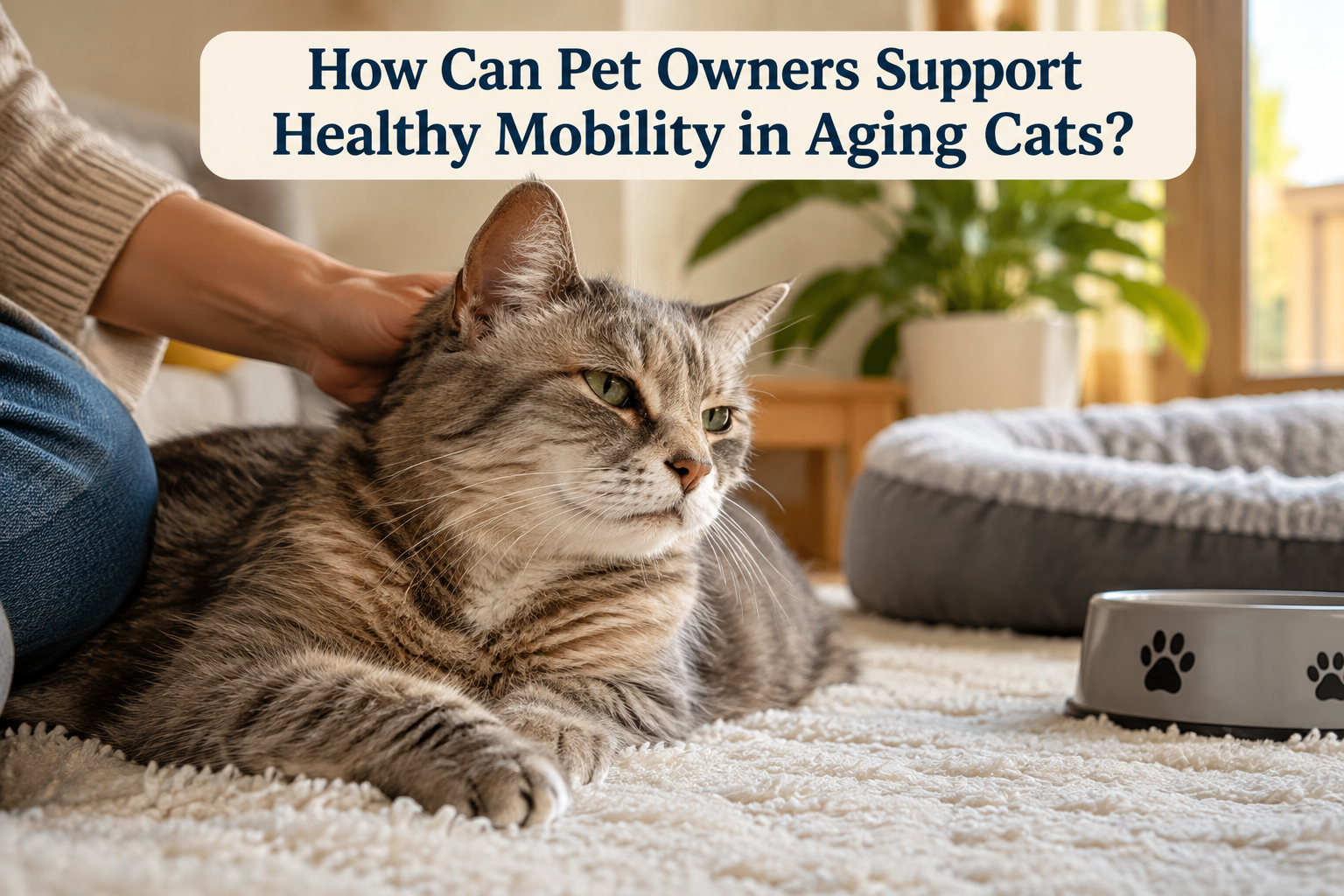
As cats grow older, their bodies begin to change in ways that can affect their movement, comfort, and daily activities. A cat that once jumped onto furniture effortlessly may gradually become hesitant to climb stairs or reach its favorite sleeping place. These changes can develop slowly, making them difficult for pet owners to notice at first.
Healthy mobility in aging cats is an important part of maintaining their independence and quality of life. Older cats still enjoy exploring their surroundings, playing with familiar toys, and spending time with their owners. However, changes in joint health, muscle strength, and flexibility may make these activities more challenging.
The good news is that pet owners can take several practical steps to help senior cats remain active and comfortable. Understanding their physical needs, providing a supportive home environment, and arranging regular veterinary care can make a meaningful difference.
Understanding Mobility Changes in Aging Cats
Cats are naturally agile animals with flexible bodies and strong muscles. Their ability to jump, climb, and balance depends on healthy joints, muscles, and nerves.
As cats age, their muscles may gradually lose strength, and their joints may become less flexible. Some older cats develop osteoarthritis, a condition involving progressive changes in the joints that can cause pain and stiffness.
These changes do not affect every cat in the same way. Some senior cats remain physically active for many years, while others begin experiencing movement difficulties earlier.
It is important to understand that reduced mobility should not automatically be considered a normal part of aging. Painful joint conditions and other health problems may be responsible for changes in movement.
Recognizing these problems early allows pet owners to seek appropriate veterinary guidance.
Recognizing Early Signs of Mobility Problems
Cats are particularly good at hiding discomfort. Unlike some dogs, they may not show obvious signs of pain when their joints become sore.
Instead, pet owners may notice small changes in everyday behavior.
Common signs of reduced mobility in aging cats include:
- Difficulty jumping onto beds, sofas, or windowsills.
- Hesitation before climbing or descending stairs.
- Stiff movements after sleeping or resting.
- Reduced interest in playing or exploring.
- Difficulty entering litter boxes with high sides.
- Spending more time resting in familiar locations.
- Changes in grooming habits, especially around the back.
- Irritability when touched or picked up.
Some cats may also stop visiting favorite elevated locations because reaching them has become uncomfortable.
These behavioral changes deserve attention, particularly when they appear gradually over several weeks or months.
A veterinarian can determine whether joint disease, muscle weakness, neurological problems, or another medical condition is contributing to reduced movement.
Providing a Comfortable Home Environment
One of the simplest ways to support healthy mobility in aging cats is to make their living environment easier to navigate.
Senior cats should not have to struggle to reach essential resources such as food, water, sleeping areas, and litter boxes.
Placing these items in convenient locations can reduce unnecessary physical strain.
For example, a cat that previously slept on a high shelf may benefit from a comfortable bed placed closer to the floor.
Pet owners should also observe the routes their cats use throughout the home. If a favorite resting area requires repeated climbing, small changes can make access more comfortable.
The goal is not to discourage movement but to remove obstacles that cause discomfort.
Using Ramps and Pet Stairs
Pet ramps and small steps can help aging cats reach familiar places without making difficult jumps.
A sturdy ramp beside a sofa or bed may allow a senior cat to continue enjoying its favorite sleeping area.
When selecting ramps or steps, pet owners should consider stability, surface texture, and height.
A nonslip surface helps cats maintain their balance, while gradual inclines make climbing easier.
It is also important to introduce these accessories slowly. Some cats may initially avoid unfamiliar objects.
Placing treats or favorite toys near the ramp can encourage exploration through positive experiences.
Never force a cat to use a ramp. Allowing the animal to become comfortable at its own pace usually produces better results.
Maintaining a Healthy Body Weight
Body weight plays an important role in joint comfort and mobility.
Excess weight can increase the physical load placed on a cat’s joints, particularly when walking, climbing, or jumping.
Overweight cats may also become less active, which can contribute to declining muscle strength.
Maintaining an appropriate body condition helps reduce unnecessary strain and supports overall health.
Pet owners can manage weight through suitable meal portions, balanced nutrition, and gentle physical activity.
However, older cats can also experience unhealthy weight loss because of illness or declining muscle mass.
For this reason, weight management should focus on maintaining an appropriate body condition rather than simply reducing food intake.
A veterinarian can recommend a suitable feeding plan based on the cat’s age, health, and nutritional requirements.
Sudden dieting should be avoided because rapid weight loss can be dangerous for cats.
Encouraging Gentle Daily Exercise
Physical activity is essential for maintaining muscle strength and supporting joint movement.
Although aging cats may not play as energetically as younger animals, they can still benefit from short and comfortable activity sessions.
Gentle exercise helps maintain coordination, encourages movement, and provides mental stimulation.
Simple activities may include following a slowly moving toy, walking toward a favorite resting spot, or exploring a safe indoor environment.
Short play sessions are often more suitable than prolonged physical activity.
For example, a senior cat may enjoy several minutes of gentle play before returning to its bed.
Pet owners should watch for signs of fatigue, stiffness, or discomfort.
If a cat appears reluctant to move or becomes uncomfortable during an activity, the session should stop.
Exercise should support comfort rather than place additional pressure on painful joints.
Supporting Joint Health Through Proper Nutrition
Balanced nutrition contributes to healthy muscles, bones, and overall physical condition.
Senior cats require diets that provide appropriate amounts of protein, essential fats, vitamins, and minerals.
Adequate protein is particularly important for maintaining muscle mass as cats grow older.
However, nutritional needs can vary depending on kidney function, digestive health, body weight, and other medical conditions.
Some veterinary diets are formulated specifically to support joint health and mobility.
These diets may include nutrients such as omega 3 fatty acids, which have been studied for their potential benefits in cats with osteoarthritis.
Pet owners should consult a veterinarian before introducing joint supplements or making significant dietary changes.
Not every supplement is suitable for every cat, and evidence supporting different products varies.
A nutritionally complete diet remains the foundation of healthy aging.
Creating Comfortable Sleeping Areas
Older cats spend a considerable amount of time sleeping and resting.
Providing supportive sleeping surfaces can help them relax comfortably, especially when they experience joint stiffness.
Soft, well padded beds can reduce pressure on sensitive areas of the body.
Beds should be placed in warm, quiet locations where the cat feels secure.
Cold or damp sleeping areas may make some cats less comfortable, so a consistent indoor temperature is helpful.
Pet owners should also consider how easily the cat can enter and leave its bed.
A high sided bed may be difficult for an animal with limited flexibility.
Choosing an accessible design allows the cat to rest without unnecessary effort.
Making Litter Boxes Easier to Access
Litter box accessibility is especially important for aging cats with movement difficulties.
A box with high sides may require uncomfortable climbing, while a distant location may discourage a cat from using it regularly.
Low entry litter boxes can make bathroom visits easier.
Pet owners should place litter boxes in quiet, accessible areas and avoid locations that require climbing stairs whenever possible.
Homes with multiple floors may benefit from having litter boxes on each level.
The surrounding floor should also provide good traction to prevent slipping.
If an older cat begins eliminating outside the litter box, discomfort or an underlying medical problem may be responsible.
A veterinary examination can help identify the cause.
Preventing Slips and Falls
Smooth flooring can become challenging for cats experiencing muscle weakness or joint stiffness.
Tiles, polished wood, and other slippery surfaces may make it difficult for aging cats to maintain stable footing.
Placing nonslip rugs or mats along frequently used pathways can improve traction.
These coverings should remain firmly attached to the floor to prevent accidental movement.
Pet owners can also keep walking areas free from clutter and unnecessary obstacles.
Good lighting is helpful, especially for older cats with declining vision.
Making the home safer allows senior cats to move around with greater confidence.
Maintaining Healthy Claws and Grooming Habits
Claw care is another important part of senior cat mobility.
Older cats may become less active and may not wear down their claws as effectively as younger cats.
Overgrown claws can interfere with walking and may eventually grow into the paw pads.
Regular claw inspection helps identify problems before they become painful.
Pet owners should trim claws carefully when needed or request assistance from a veterinarian or professional groomer.
Grooming also deserves attention.
Cats with painful joints may struggle to clean areas that require bending or twisting.
Gentle brushing can help remove loose fur and prevent uncomfortable matting.
These routines should remain calm and comfortable, particularly when handling sensitive areas.
Scheduling Regular Veterinary Checkups
Veterinary examinations are essential for supporting healthy mobility in aging cats.
A veterinarian can assess joint flexibility, muscle condition, body weight, and overall physical health.
Regular checkups may help identify osteoarthritis and other conditions before they significantly affect daily activities.
Senior cats often benefit from veterinary examinations at least every six months, although individual needs vary.
If arthritis is diagnosed, the veterinarian may recommend appropriate pain management, environmental adjustments, rehabilitation, or other treatments.
Pet owners should never give cats human painkillers without veterinary direction.
Common human medications, including ibuprofen and acetaminophen, can be extremely dangerous or fatal to cats.
Effective veterinary treatment can improve comfort and help many older cats remain active.
Monitoring Changes in Daily Behavior
Observing everyday behavior is one of the most useful habits a pet owner can develop.
Changes in jumping ability, walking speed, grooming, and sleeping patterns may provide important clues about mobility.
Keeping a simple record of these changes can help during veterinary appointments.
Short videos of the cat walking, climbing, or attempting to jump may also help a veterinarian assess movement difficulties.
Pet owners should pay attention to both improvements and worsening symptoms.
Sudden inability to walk, severe pain, dragging the hind legs, or cold back paws requires immediate emergency veterinary care.
Early recognition and appropriate treatment can protect a cat’s comfort and well being.
Frequently Asked Questions
At What Age Do Cats Usually Develop Mobility Problems?
Mobility problems become more common as cats grow older, particularly after approximately ten years of age. However, arthritis and other conditions can develop earlier. Every cat ages differently, so changes in movement should be assessed individually.
Should Senior Cats Continue Playing Every Day?
Yes, senior cats can benefit from regular gentle play when they are physically comfortable. Activities should match their abilities and avoid excessive jumping or strenuous movements.
Can Arthritis in Older Cats Be Cured?
Osteoarthritis is generally a long term condition that cannot be completely cured. However, veterinary treatment, appropriate weight management, and home adjustments can help manage pain and improve mobility.
Are Joint Supplements Necessary for Every Aging Cat?
No. Not every older cat requires joint supplements. Their usefulness depends on the animal’s condition and the product involved. A veterinarian can advise whether a supplement or therapeutic diet may be appropriate.
How Can I Tell Whether My Senior Cat Is in Pain?
Cats experiencing pain may become less active, avoid jumping, change their grooming habits, or react differently to handling. Because these signs can be subtle, veterinary evaluation is important when behavior changes.
Conclusion
Supporting healthy mobility in aging cats requires patience, observation, and thoughtful daily care. As cats grow older, their needs may change, but they can still enjoy active and fulfilling lives.
A comfortable home, accessible furniture, appropriate nutrition, gentle exercise, and regular veterinary examinations all contribute to better physical well being.
Most importantly, pet owners should pay attention to small changes in movement and behavior rather than assuming that discomfort is an unavoidable part of aging.
With proper support and timely medical care, senior cats can continue exploring their surroundings, enjoying familiar routines, and sharing comfortable moments with their families throughout their later years.