Keeping dogs and cats healthy is one of the most important responsibilities of every pet owner. Pets bring happiness, companionship, and comfort into our homes, but they also depend on us for their health and safety. Providing nutritious food, clean drinking water, exercise, and a comfortable environment is essential. However, protecting pets from dangerous infectious diseases is equally important.
Vaccinations for dogs and cats are among the most effective ways to prevent serious illnesses. Many infectious diseases can spread quickly between animals, and some can cause permanent health problems or even death. Vaccines help prepare a pet’s immune system to recognize harmful infections and fight them more effectively.
Understanding how pet vaccinations work, which diseases they prevent, and when they should be given can help owners make better decisions about their animals’ long term health.
What Are Pet Vaccinations and How Do They Work?
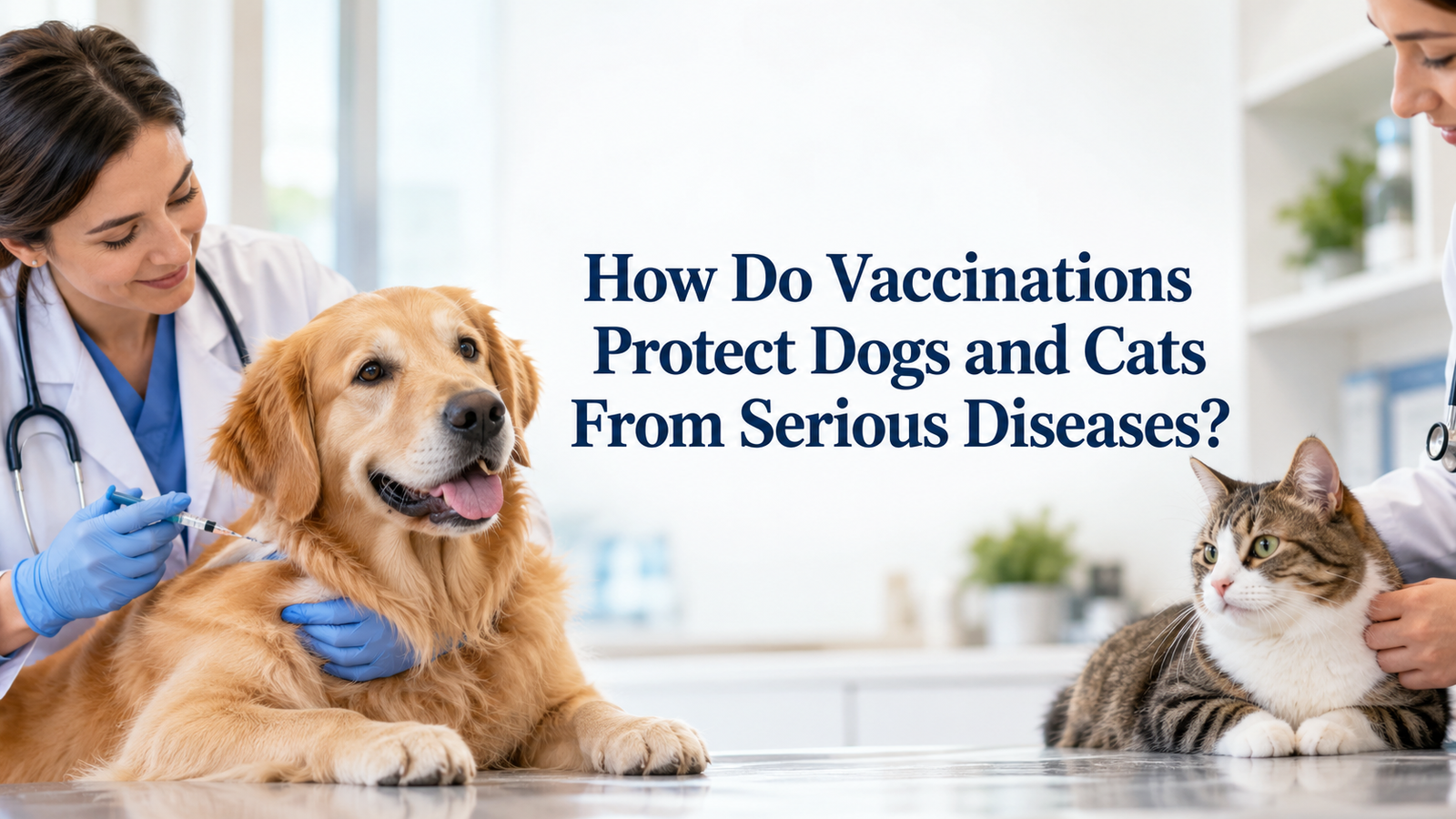
Vaccinations are preventive medical treatments designed to protect animals against specific infectious diseases. A vaccine introduces harmless or weakened components of a disease causing organism, or instructions that help the immune system recognize it, without causing the full disease it is intended to prevent.
When a dog or cat receives a vaccine, its immune system responds by developing protective defenses. These defenses may include antibodies and immune memory cells that help the body recognize the infection in the future.
If the vaccinated pet encounters the actual disease, its immune system may respond much faster than it would without vaccination.
This protection can reduce the chances of infection, serious illness, complications, and death.
It is important to understand that vaccines do not provide complete protection against every possible infection. Their effectiveness depends on the disease, vaccine, animal’s health, and vaccination history.
Nevertheless, proper vaccination remains one of the most reliable methods of preventive veterinary care.
Why Are Vaccinations Important for Dogs and Cats?
Dogs and cats can encounter infectious organisms in many everyday situations. Some infections spread through direct contact with sick animals, while others spread through contaminated surfaces, bodily fluids, or the surrounding environment.
For example, dogs may encounter infectious diseases while walking in public parks, visiting grooming facilities, or interacting with other animals.
Cats can also become exposed through contact with infected cats, contaminated objects, or infected animals entering their environment.
Even pets that spend most of their time indoors may face certain risks.
Vaccinations help reduce these dangers by preparing the immune system before exposure occurs.
They also support the health of the wider animal population. When more pets are appropriately vaccinated, certain infections have fewer opportunities to spread.
This is especially important in communities where stray animals and household pets may come into contact.
Which Serious Diseases Can Dog Vaccinations Prevent?
Several infectious diseases can cause severe health problems in dogs. Routine vaccination helps protect against some of the most dangerous conditions.
1. Canine Parvovirus
Canine parvovirus is a highly contagious viral infection that primarily affects the digestive system.
It is particularly dangerous for puppies and dogs that have not received appropriate vaccinations.
Common symptoms include severe vomiting, bloody diarrhea, loss of appetite, weakness, and dehydration.
The virus can survive in contaminated environments and may spread through infected feces or objects.
Vaccination against canine parvovirus significantly reduces the risk of severe disease and is considered essential for dogs.
2. Canine Distemper
Canine distemper is another serious viral disease that affects dogs.
It can damage the respiratory, digestive, and nervous systems.
An infected dog may develop fever, coughing, nasal discharge, vomiting, and neurological problems.
In severe cases, the disease can lead to seizures, permanent neurological damage, or death.
Vaccination provides important protection against canine distemper and is a standard part of preventive veterinary care.
3. Canine Adenovirus Infection
Canine adenovirus type 1 can cause infectious canine hepatitis, a disease that affects the liver and other organs.
Symptoms may include fever, abdominal discomfort, vomiting, and weakness.
Severe infections can cause significant liver damage.
Vaccines containing canine adenovirus type 2 help protect against infectious canine hepatitis.
4. Rabies
Rabies is one of the most dangerous infectious diseases affecting mammals.
It attacks the nervous system and is almost always fatal once clinical symptoms appear.
The virus usually spreads through the bite or saliva of an infected animal.
Rabies is especially concerning because it can also infect humans.
Regular rabies vaccination protects pets and plays an important role in public health.
Which Serious Diseases Can Cat Vaccinations Prevent?
Cats also face several infectious diseases that can seriously affect their health.
Some infections are particularly dangerous for young kittens because their immune systems are still developing.
1. Feline Panleukopenia
Feline panleukopenia is a highly contagious viral disease sometimes called feline distemper.
It affects rapidly dividing cells, including those in the intestines and bone marrow.
Common symptoms include vomiting, diarrhea, fever, dehydration, and severe weakness.
Young kittens are particularly vulnerable, and serious infections can become life threatening.
Vaccination against feline panleukopenia is considered essential for cats.
2. Feline Herpesvirus
Feline herpesvirus type 1 is a major cause of respiratory illness in cats.
Infected cats may develop sneezing, nasal discharge, eye inflammation, and breathing discomfort.
Some cats experience recurring symptoms because the virus can remain in their bodies.
Vaccination does not always prevent infection, but it can reduce the severity of illness.
3. Feline Calicivirus
Feline calicivirus is another common cause of respiratory infections in cats.
It may cause sneezing, fever, mouth ulcers, and reduced appetite.
Certain strains can cause more serious illness.
Vaccination helps reduce the risk of severe disease and supports better overall health.
4. Feline Leukemia Virus
Feline leukemia virus can weaken a cat’s immune system and increase the risk of anemia, certain cancers, and other illnesses.
It commonly spreads through close contact between cats, especially through saliva.
Vaccination may be recommended for kittens and cats at risk of exposure.
A veterinarian can assess whether feline leukemia vaccination is appropriate based on the cat’s age, health, and lifestyle.
What Is the Difference Between Core and Noncore Vaccines?
Veterinarians generally divide pet vaccinations into two main categories.
Core vaccines are recommended for all dogs or cats because they protect against important diseases that can cause serious illness or widespread infection.
For dogs, internationally recognized core protection includes canine distemper, canine adenovirus, and canine parvovirus.
For cats, core protection includes feline panleukopenia, feline herpesvirus, and feline calicivirus.
Rabies vaccination is essential in areas where rabies is present.
Noncore vaccines are recommended according to an animal’s individual risk factors.
These may include lifestyle, geographic location, contact with other animals, and exposure to particular infections.
For example, vaccination against Bordetella may be appropriate for dogs that regularly visit boarding facilities or grooming centers.
Leptospirosis vaccination is also especially important in regions where the disease occurs and suitable vaccines are available.
The World Small Animal Veterinary Association recommends that vaccination decisions consider both the animal’s needs and local disease risks.
When Should Puppies and Kittens Receive Their First Vaccinations?
Young animals are particularly vulnerable to infectious diseases because their immune systems are still developing.
During their earliest weeks, puppies and kittens receive some temporary protection through antibodies obtained from their mothers.
However, this protection gradually decreases.
Vaccinations are therefore introduced during early life to help develop the animal’s own immune defenses.
Many puppies and kittens begin receiving routine core vaccinations around six to eight weeks of age.
Additional doses are generally given every three to four weeks until at least sixteen weeks of age. Some animals may require a different schedule depending on their risk and veterinary recommendations.
Rabies vaccination follows the appropriate age requirements and regulations for the area.
Pet owners should consult a qualified veterinarian to develop a suitable vaccination schedule.
Why Are Booster Vaccinations Necessary?
Some vaccinations provide long lasting protection, while others require additional doses to maintain effective immunity.
Booster vaccinations help strengthen or maintain the immune system’s response to particular diseases.
Without the appropriate follow up doses, protection against certain infections may become insufficient.
However, not every vaccine requires an annual booster.
The recommended interval depends on the vaccine, animal’s age, medical history, previous doses, and local regulations.
Some core vaccines may be administered at intervals of three years or longer after the initial vaccination series, while other vaccines require more frequent administration.
Following a veterinarian’s recommended schedule helps maintain protection without unnecessary vaccination.
Can Indoor Cats and House Dogs Still Need Vaccinations?
Some pet owners believe that animals living indoors do not require vaccination.
Although indoor pets often face fewer exposure risks than outdoor animals, they are not completely protected from infectious diseases.
An indoor cat may accidentally escape, encounter another animal, or become exposed through certain contaminated objects.
Similarly, a dog that spends most of its time at home may still encounter infectious organisms during walks or veterinary visits.
Rabies vaccination may also be necessary regardless of whether an animal regularly goes outdoors.
Core vaccines remain important for indoor pets, while additional vaccines should be selected according to individual circumstances.
Are Vaccinations Safe for Dogs and Cats?
Most dogs and cats tolerate routine vaccinations well.
Modern veterinary vaccines are tested for safety and effectiveness before they become available for use.
However, like other medical treatments, vaccines can occasionally cause side effects.
Mild reactions may include temporary tiredness, reduced appetite, slight fever, or tenderness near the injection site.
These effects usually improve within a short period.
Serious allergic reactions are uncommon but require immediate veterinary attention.
Warning signs may include facial swelling, breathing difficulty, repeated vomiting, collapse, or severe weakness.
Pet owners should inform their veterinarian if their animal has previously experienced an unusual reaction to vaccination.
The veterinarian can then consider suitable precautions before future doses.
How Do Vaccinations Protect Other Animals and Humans?
Vaccination benefits more than the individual pet receiving the injection.
When large numbers of animals are appropriately vaccinated, infectious diseases may spread less easily throughout communities.
This provides additional protection for vulnerable animals, including very young pets and those unable to receive certain vaccines.
Rabies vaccination provides an especially important public health benefit.
Because rabies can spread from infected animals to humans, reducing rabies infections in dogs and cats helps protect families and communities.
Responsible vaccination therefore contributes to both animal welfare and public safety.
What Happens If a Pet Misses a Vaccination?
Missing a scheduled vaccination does not always mean that the entire vaccination series must be restarted.
The appropriate next step depends on the vaccine, the animal’s age, and how much time has passed since the previous dose.
Pet owners should contact their veterinarian rather than making assumptions about the next vaccination.
The veterinarian can review the animal’s records and recommend an appropriate catch up schedule.
Keeping accurate vaccination records is useful because it prevents confusion and helps ensure timely protection.
Digital reminders or a simple vaccination calendar can make this responsibility easier to manage.
Can Good Nutrition Replace Vaccinations?
Good nutrition is essential for maintaining a healthy immune system, but it cannot replace vaccination.
A balanced diet provides protein, fats, vitamins, minerals, and other nutrients needed for normal growth and body functions.
Regular exercise, clean surroundings, and sufficient rest also support general health.
However, these healthy habits do not provide the specific immune protection that vaccines can develop against diseases such as rabies, parvovirus, and feline panleukopenia.
For the best protection, owners should combine proper nutrition with veterinary examinations, recommended vaccinations, parasite prevention, and good hygiene.
How Can Pet Owners Maintain an Effective Vaccination Routine?
Maintaining a vaccination routine does not have to be complicated.
The first step is choosing a qualified veterinarian who can assess the animal’s health and recommend suitable preventive care.
Owners should keep a clear record of vaccination dates, vaccine names, and upcoming appointments.
It is also important to inform the veterinarian about changes in the pet’s lifestyle.
For example, a dog that begins attending daycare may require additional protection against respiratory infections.
Likewise, a cat that starts spending time outdoors may face new exposure risks.
Pets should receive an appropriate health assessment before vaccination, especially if they are experiencing signs of illness.
Regular communication with a veterinarian helps ensure that each animal receives protection suited to its individual needs.
Frequently Asked Questions About Dog and Cat Vaccinations
Can vaccinated pets still become sick?
Yes. No vaccine provides complete protection against every infection. However, vaccination can significantly reduce the likelihood of severe disease from the infections it targets.
Do older dogs and cats need vaccinations?
Yes. Older pets may still require vaccinations according to their medical history, current health, and exposure risks. Their veterinarian can determine the safest and most appropriate schedule.
Is it safe to vaccinate a pregnant pet?
Certain vaccines may not be appropriate during pregnancy. A veterinarian should review the animal’s vaccination history and recommend safe preventive care before or during pregnancy.
Can dogs and cats receive several vaccines during one visit?
Yes. Veterinarians may administer multiple recommended vaccines during one appointment when appropriate. The decision depends on the animal’s age, health, vaccination history, and individual risk factors.
Conclusion
Vaccinations play a vital role in protecting dogs and cats from serious infectious diseases. They prepare the immune system to recognize harmful organisms and respond more effectively when exposure occurs.
Diseases such as canine parvovirus, canine distemper, feline panleukopenia, and rabies can have devastating consequences, but appropriate vaccination greatly reduces many of these risks.
Every pet has different needs depending on age, health, environment, and lifestyle. For this reason, vaccination decisions should always be guided by a qualified veterinarian.
By maintaining accurate records, following recommended schedules, and combining vaccinations with proper nutrition and routine veterinary care, pet owners can give their dogs and cats a better chance of living healthy, comfortable, and active lives.