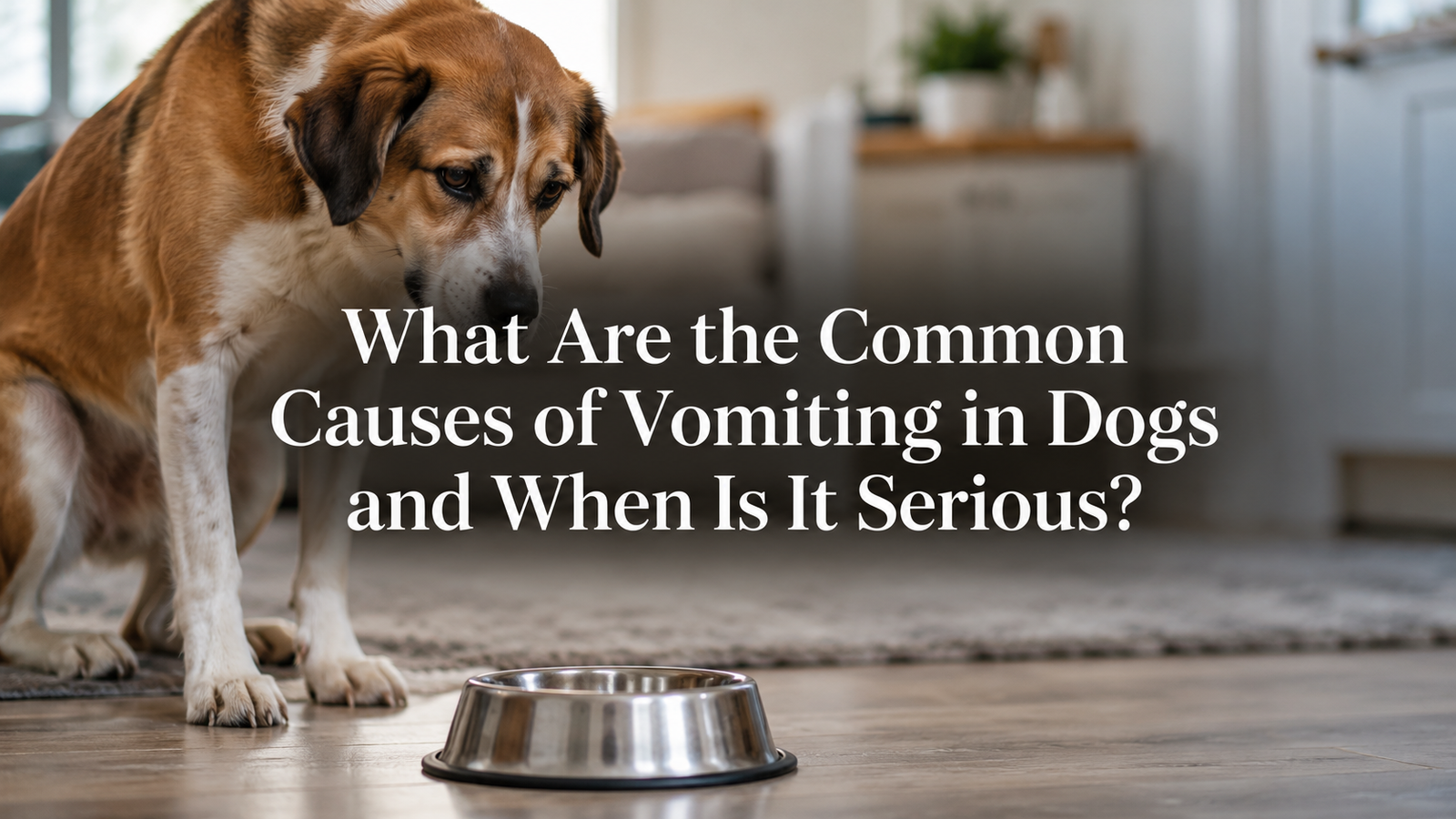
Vomiting in dogs is a common health problem that many pet owners experience at some point. Sometimes, a dog may vomit after eating too quickly or consuming something that irritates its stomach. In other situations, vomiting can indicate a more serious medical condition that requires immediate veterinary attention.
Understanding the common causes of vomiting in dogs is important because it helps pet owners recognize the difference between a minor digestive problem and a possible health emergency. Dogs cannot explain when they feel sick, so their behavior, appetite, energy levels, and physical symptoms provide valuable information about their health.
Although occasional vomiting does not always indicate a serious illness, repeated vomiting should never be ignored. Learning why dogs vomit, what different symptoms may indicate, and when to contact a veterinarian can help owners make better decisions about their pet’s well being.
Understanding Vomiting in Dogs
Vomiting occurs when a dog forcefully removes food, liquid, or other material from its stomach through its mouth. It is often accompanied by abdominal contractions, excessive saliva, restlessness, and signs of nausea.
Before vomiting, some dogs lick their lips repeatedly, swallow more frequently, or appear uncomfortable. Others may walk around the house or refuse food.
It is important to understand that vomiting is a symptom rather than a disease itself. Many different conditions can cause it, ranging from temporary stomach irritation to serious internal disorders.
Pet owners should also understand the difference between vomiting and regurgitation.
Vomiting usually involves visible stomach contractions and effort. Regurgitation happens when food or liquid returns through the mouth without noticeable abdominal contractions, often shortly after eating.
Recognizing this difference helps veterinarians identify the possible source of the problem.
1. Eating Too Quickly
One of the common reasons dogs bring up food is eating too quickly.
Some dogs become excited during meals and swallow large amounts of food without chewing properly. This can lead to regurgitation or occasionally vomiting.
Dogs that compete with other pets for food may be particularly likely to eat rapidly.
Common signs include bringing up recently eaten food and appearing uncomfortable after meals.
Pet owners can help by offering smaller portions, using specially designed slow feeding bowls, and providing a quiet eating environment.
If a dog repeatedly brings up food after eating, veterinary evaluation is important because the problem may involve the esophagus or another digestive condition.
2. Eating Spoiled Food or Garbage
Dogs are naturally curious animals that explore their surroundings using their mouths and noses.
Unfortunately, this behavior sometimes causes them to eat spoiled food, garbage, or other inappropriate materials.
These substances can irritate the stomach and intestines, resulting in vomiting and sometimes diarrhea.
For example, a dog that eats leftover food from an uncovered garbage container may develop digestive discomfort several hours later.
Symptoms can include nausea, reduced appetite, abdominal discomfort, and loose stools.
Owners should keep household garbage securely covered and prevent dogs from accessing spoiled food.
If vomiting continues or the dog becomes weak, professional veterinary care is necessary.
3. Sudden Changes in Diet
A sudden change in dog food can disturb the digestive system.
Dogs become accustomed to their regular diets, and quickly introducing a different type of food may cause stomach irritation.
For instance, switching directly from one commercial dog food to another may result in vomiting, gas, or diarrhea.
To reduce digestive problems, owners should introduce new food gradually.
A transition over approximately seven days works for many healthy dogs, although sensitive pets may need additional time.
Start by mixing a small amount of the new food with the regular diet, then gradually increase the proportion.
If vomiting persists despite a careful transition, owners should consult a veterinarian.
4. Food Intolerance and Allergies
Some dogs have difficulty digesting particular ingredients.
Food intolerance can produce digestive symptoms such as vomiting, gas, and diarrhea.
Food allergies involve an immune response and may cause digestive problems, although itching, ear infections, and skin irritation are often more noticeable.
Possible food allergens include certain animal proteins.
However, vomiting alone does not prove that a dog has a food allergy.
Veterinarians may recommend a carefully controlled elimination diet to identify a suspected food allergy.
Owners should avoid repeatedly changing foods without professional guidance because this can make identifying the real problem more difficult.
5. Intestinal Parasites
Intestinal parasites are another possible cause of vomiting in dogs.
Roundworms, hookworms, and certain other parasites can affect digestive health.
Dogs may become infected through contaminated soil, infected animals, or other environmental sources.
Depending on the parasite and severity of infection, symptoms may include vomiting, diarrhea, poor appetite, weight loss, and reduced energy.
Puppies are especially vulnerable because heavy parasite infections can interfere with their growth and overall health.
Regular veterinary examinations and appropriate parasite prevention can help protect dogs.
A veterinarian may examine a stool sample to identify parasites and recommend suitable treatment.
6. Bacterial and Viral Infections
Digestive infections can cause vomiting in dogs of different ages.
Certain bacteria and viruses affect the stomach and intestines, producing inflammation and digestive discomfort.
One particularly serious disease is canine parvovirus.
Parvovirus commonly affects unvaccinated or incompletely vaccinated puppies, although susceptible dogs of other ages can also become infected.
Symptoms may include severe vomiting, diarrhea that can contain blood, loss of appetite, and extreme weakness.
Parvovirus can become life threatening without prompt veterinary treatment.
Vaccination is one of the most important ways to reduce the risk of this disease.
Dogs showing severe digestive symptoms should receive urgent veterinary attention rather than home treatment.
7. Swallowing Foreign Objects
Dogs sometimes swallow items that cannot pass normally through their digestive systems.
Common examples include socks, small toys, pieces of plastic, and certain bones.
These objects may become trapped in the stomach or intestines and cause a blockage.
An intestinal obstruction is a serious condition because it prevents normal movement of digestive contents and can damage intestinal tissue.
Warning signs include repeated vomiting, abdominal pain, loss of appetite, weakness, and difficulty passing stool.
Some dogs may also become restless or unusually quiet.
A suspected intestinal blockage requires immediate veterinary care.
Treatment may involve diagnostic imaging, supportive care, endoscopy, or surgery, depending on the object and its location.
8. Eating Toxic Substances
Poisoning is another important cause of sudden vomiting in dogs.
Many substances found in ordinary homes can be dangerous to pets.
Chocolate, grapes, raisins, xylitol, certain human medications, household cleaning products, and some plants can cause serious health problems.
The symptoms depend on the substance consumed and the amount involved.
Along with vomiting, a poisoned dog may develop weakness, diarrhea, tremors, seizures, or unusual behavior.
If poisoning is suspected, owners should contact a veterinarian or animal poison control service immediately.
Do not attempt to make the dog vomit unless a veterinary professional specifically instructs you to do so.
Some substances can cause additional damage when brought back up.
9. Pancreatitis
Pancreatitis occurs when the pancreas becomes inflamed.
The pancreas plays an important role in digestion and blood sugar regulation.
Dogs with pancreatitis may experience vomiting, abdominal pain, reduced appetite, diarrhea, and tiredness.
Some cases are associated with eating unusually fatty foods, although pancreatitis can develop for several reasons.
The condition can range from mild to severe.
A dog with pancreatitis may appear uncomfortable, avoid moving, or assume an unusual posture because of abdominal pain.
Veterinary diagnosis and treatment are essential because severe pancreatitis can lead to serious complications.
10. Kidney and Liver Problems
Vomiting does not always originate from a problem inside the stomach.
Diseases affecting other organs can also cause nausea and digestive symptoms.
Kidney disease may allow waste products to accumulate in the bloodstream, causing reduced appetite, nausea, and vomiting.
Liver disease can also interfere with normal body functions and contribute to digestive problems.
Additional warning signs may include increased thirst, changes in urination, weight loss, and unusual tiredness.
Some dogs with liver problems may develop yellow discoloration of the eyes or gums.
Veterinarians often use blood tests and urine examinations to investigate these conditions.
Early diagnosis can make a meaningful difference in managing chronic diseases.
11. Motion Sickness and Stress
Not every episode of vomiting is caused by infection or digestive disease.
Some dogs experience motion sickness during car journeys.
They may drool excessively, become restless, swallow repeatedly, or vomit while traveling.
Young dogs can be particularly sensitive to motion.
Stress and anxiety may also contribute to digestive disturbances in some pets.
Gradually introducing dogs to car travel, maintaining a comfortable environment, and discussing preventive medication with a veterinarian may help.
However, frequent vomiting should not automatically be blamed on anxiety without checking for possible medical causes.
When Is Vomiting in Dogs Serious?
A single episode of vomiting in an otherwise healthy adult dog may not always require emergency treatment.
However, the situation becomes more concerning when vomiting is repeated, persistent, or accompanied by additional symptoms.
According to veterinary guidance from VCA Animal Hospitals, vomiting associated with weakness, abdominal pain, dehydration, blood, or suspected toxin exposure requires prompt veterinary attention.
Repeated Vomiting
A dog that vomits several times within a short period may have a significant medical problem.
Repeated vomiting increases the risk of dehydration and can disturb the body’s electrolyte balance.
Contact a veterinarian promptly if your dog vomits more than twice in 24 hours or cannot keep water down.
Blood in Vomit
Blood in dog vomit is an important warning sign.
It may appear bright red or resemble dark coffee grounds.
Possible causes include digestive tract irritation, ulcers, foreign objects, and other serious conditions.
Dogs vomiting blood should receive immediate veterinary assessment.
Severe Weakness or Collapse
Vomiting accompanied by severe weakness, collapse, pale gums, or difficulty standing can indicate a medical emergency.
These symptoms may occur with poisoning, serious illness, dehydration, or circulatory problems.
Emergency veterinary treatment should not be delayed.
Swollen Abdomen and Unsuccessful Retching
A swollen abdomen combined with repeated attempts to vomit without producing anything may indicate gastric dilatation and volvulus, commonly called GDV or bloat.
This is a life threatening emergency that requires immediate veterinary treatment.
Large, deep chested dogs are particularly susceptible, although other dogs can also be affected.
Vomiting in Puppies and Older Dogs
Puppies, senior dogs, and pets with existing medical conditions deserve extra attention.
Young puppies can develop dehydration and low blood sugar more quickly than healthy adult dogs.
Older dogs may have underlying kidney, liver, or other medical problems.
Pet owners should seek veterinary advice early when these vulnerable animals begin vomiting.
What Does the Color of Dog Vomit Mean?
The appearance of vomit sometimes provides useful information, although color alone cannot identify the cause.
Yellow vomit often contains bile, a digestive fluid. It may occur when the stomach is relatively empty or during digestive illness.
White foam may appear when a dog vomits saliva and stomach fluids.
Green vomit may contain bile or material from something the dog consumed.
Red or dark brown vomit can sometimes indicate bleeding, although food and other substances may also affect its appearance.
Owners should consider the dog’s overall behavior and symptoms instead of relying only on vomit color.
What Should You Do When Your Dog Vomits?
If an otherwise healthy adult dog vomits once but remains alert, comfortable, and interested in normal activities, careful observation may be appropriate.
Offer access to fresh water, allowing small amounts at a time if drinking quickly triggers further vomiting.
Do not force food or water.
Ask your veterinarian whether a brief adjustment to feeding is appropriate. For uncomplicated cases, a veterinarian may recommend small portions of an easily digestible diet once vomiting has stopped.
Avoid giving human medications or unverified home remedies.
Record how often the dog vomits and whether the vomit contains food, foam, blood, or unusual material.
Seek veterinary care if symptoms return, worsen, or are accompanied by other signs of illness.
How Veterinarians Diagnose Vomiting in Dogs
Veterinarians begin by examining the dog and asking questions about recent meals, possible exposure to toxins, and changes in behavior.
They may evaluate hydration, body temperature, abdominal discomfort, and overall physical condition.
Depending on the symptoms, diagnostic tests may include blood tests, urine tests, fecal examinations, X rays, or ultrasound imaging.
These investigations help identify infections, organ disorders, intestinal blockages, and other possible causes.
Treatment depends on the diagnosis and may include fluids, prescribed medication, dietary management, or surgery.
How to Prevent Vomiting in Dogs
Although not every cause of vomiting can be prevented, good daily care can reduce certain risks.
Provide a balanced diet appropriate for the dog’s age, size, and health needs.
Introduce dietary changes gradually and avoid feeding spoiled food or excessive table scraps.
Keep small household objects, medications, chemicals, and toxic foods away from pets.
Maintain recommended vaccinations and parasite prevention.
Regular exercise, appropriate hydration, and routine veterinary checkups also support overall health.
Most importantly, pay attention to changes in your dog’s usual behavior because early recognition can prevent some health problems from becoming more serious.
Frequently Asked Questions
Is It Normal for a Dog to Vomit Occasionally?
An isolated episode may occur in an otherwise healthy dog without indicating a serious disease. However, repeated vomiting or vomiting with other symptoms requires veterinary attention.
Why Is My Dog Vomiting Yellow Liquid?
Yellow vomit often contains bile. It may occur when the stomach is empty, but it can also accompany digestive illness. Frequent episodes should be evaluated by a veterinarian.
Can Dogs Vomit Because of Stress?
Yes. Stress, anxiety, and motion sickness can contribute to vomiting in some dogs. Persistent symptoms should be investigated to rule out physical illness.
When Should I Take My Dog to the Vet for Vomiting?
Seek immediate veterinary care for blood in vomit, severe weakness, abdominal swelling with unsuccessful retching, suspected poisoning, or a possible swallowed object. Contact a veterinarian promptly for repeated vomiting or an inability to retain water.
Conclusion
Understanding the common causes of vomiting in dogs helps pet owners respond appropriately when their animals become sick.
Many episodes are associated with temporary digestive irritation, rapid eating, or dietary changes. However, vomiting can also indicate infections, poisoning, intestinal obstruction, pancreatitis, or diseases affecting internal organs.
The most important step is to observe the dog’s overall condition and recognize unusual symptoms early.
By providing safe food, maintaining regular veterinary care, preventing access to harmful substances, and seeking timely treatment, pet owners can help protect their dogs from avoidable health complications.