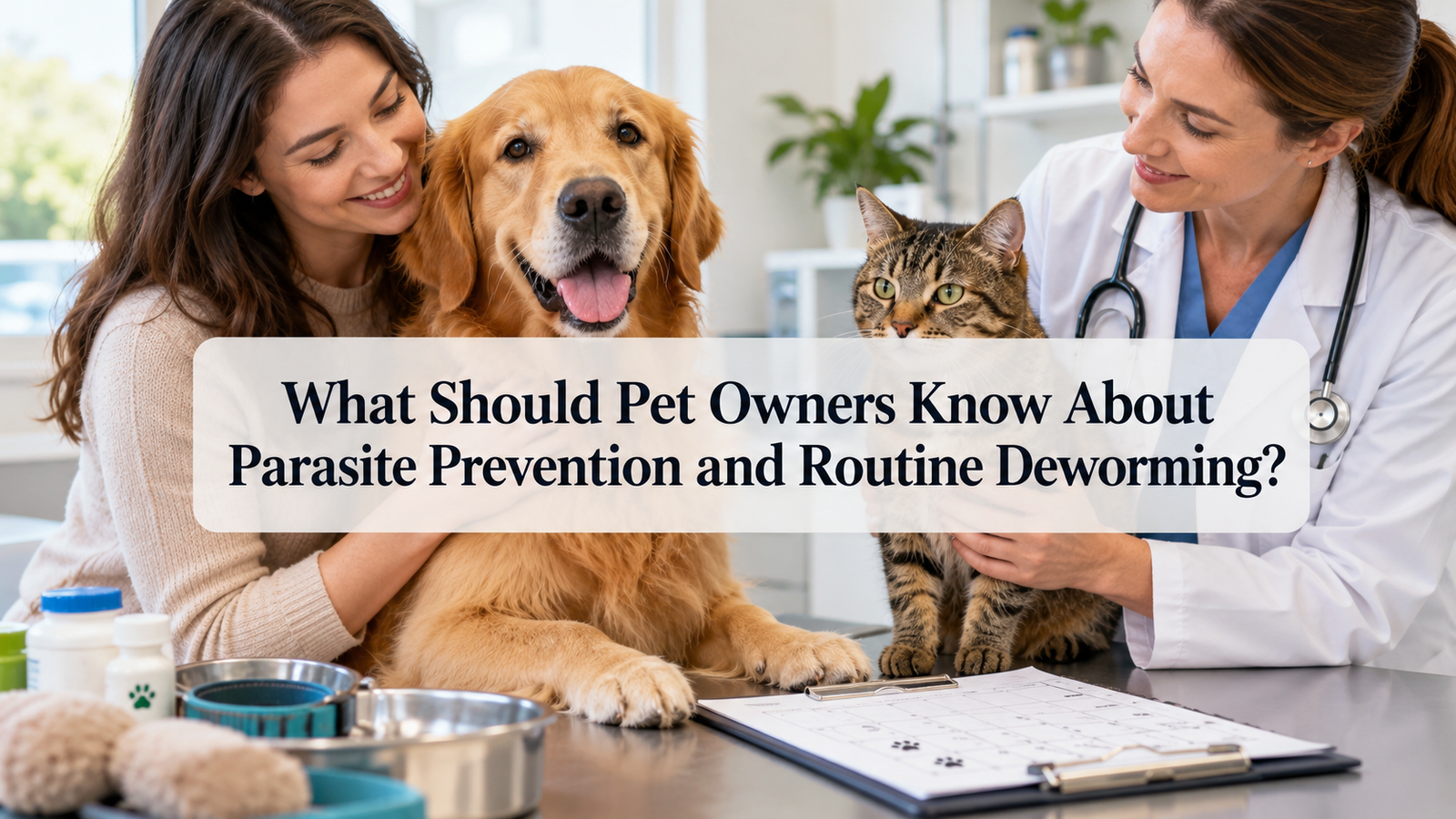
Keeping pets healthy requires more than providing nutritious food, clean water, and a comfortable home. One important responsibility that pet owners should never overlook is parasite prevention and routine deworming. Parasites can affect dogs and cats of different ages, breeds, and lifestyles. Some parasites cause mild discomfort, while others can lead to serious health problems when left untreated.
Many pet owners believe that parasites only affect animals that spend most of their time outdoors. However, indoor pets can also become infected through contaminated environments, insects, other animals, and even objects brought into the house.
Understanding how parasites spread, recognizing the warning signs, and following a suitable deworming schedule can help protect pets throughout their lives.
What Are Parasites in Dogs and Cats?
Parasites are organisms that live on or inside another living creature and obtain nutrients or other benefits from their host. In dogs and cats, parasites are generally divided into two main categories.
Internal parasites live inside the animal’s body. They commonly affect the digestive system, although some can damage the heart, lungs, and other organs.
External parasites live on the skin or coat. They may cause itching, irritation, allergic reactions, and infections.
Both types can affect a pet’s health and comfort. Certain parasites can also infect humans, making parasite prevention important for the entire household.
Regular veterinary examinations and appropriate preventive treatments are among the most reliable ways to reduce these risks.
Common Types of Internal Parasites in Pets
Several intestinal worms can infect dogs and cats. Understanding their differences helps pet owners recognize why routine deworming is necessary.
Roundworms
Roundworms are among the most common intestinal parasites in puppies and kittens. These worms live in the intestines and obtain nutrients from the animal.
Infected pets may develop a swollen abdomen, vomiting, diarrhea, poor growth, or weight loss.
Young animals are particularly vulnerable because some roundworm infections can pass from mothers to their offspring.
Hookworms
Hookworms are small intestinal parasites that attach to the intestinal lining and feed on blood.
A significant infection can cause anemia, weakness, pale gums, and digestive problems. Puppies and kittens may become seriously ill because of blood loss.
Some hookworm larvae can also penetrate human skin after contact with contaminated soil.
Tapeworms
Tapeworms are intestinal parasites commonly associated with fleas and infected prey animals.
Pet owners sometimes notice small white segments resembling grains of rice near their pet’s anus or in their bedding.
Although some infections cause few noticeable symptoms, treatment is important to eliminate the parasite and reduce reinfection.
Whipworms
Whipworms primarily affect dogs and live in the large intestine.
They may cause diarrhea, weight loss, dehydration, and intestinal irritation. Their eggs can survive in the environment for extended periods, making sanitation particularly important.
Not every deworming medicine treats every type of worm. Veterinary guidance helps ensure that pets receive appropriate treatment.
What Are the Most Common External Parasites?
External parasites are another concern for responsible pet owners.
Fleas
Fleas are small insects that feed on blood. They can cause intense itching, skin irritation, and allergic reactions.
Heavy flea infestations may also contribute to anemia, especially in young or small animals.
Fleas can transmit certain tapeworms when pets accidentally swallow infected fleas during grooming.
Ticks
Ticks attach to the skin and feed on blood. Some species can transmit infectious diseases.
Pets that spend time in grassy areas, gardens, or places frequented by other animals may encounter ticks.
Regular tick checks and suitable preventive products help reduce exposure.
Mites
Certain mites cause skin diseases, including mange and some ear infections.
Affected pets may experience itching, hair loss, skin redness, or irritation around the ears.
Because different mites require different treatments, veterinary diagnosis is important.
Why Is Parasite Prevention Important for Pet Health?
Parasite prevention protects pets from problems that may develop gradually without obvious warning signs.
An infected animal may initially appear healthy while parasites multiply or damage tissues.
Over time, certain infections can interfere with digestion, nutrient absorption, blood health, and normal growth.
Young animals, pregnant pets, senior animals, and pets with weakened immune systems may face additional risks.
Prevention also helps reduce contamination in shared environments such as gardens, parks, and household living areas.
Routine parasite control is generally easier to manage than advanced infections requiring extensive veterinary treatment.
What Are the Signs of Parasite Infection in Pets?
The symptoms of parasite infections vary according to the organism involved and the severity of the infection.
Common warning signs include:
- Unexplained weight loss
- Diarrhea or vomiting
- A swollen abdomen
- Changes in appetite
- Frequent scratching
- Hair loss or irritated skin
- Visible worms in feces
- Small worm segments near the anus
- Unusual weakness or tiredness
- Pale gums
Some infected animals show no visible symptoms.
Therefore, pet owners should not rely only on physical appearance when deciding whether parasite prevention is necessary.
Persistent vomiting, bloody diarrhea, severe weakness, pale gums, or difficulty breathing requires prompt veterinary attention.
What Is Routine Deworming?
Routine deworming involves using suitable veterinary medicines to eliminate or control intestinal worms.
These medicines are called anthelmintics.
Different products target different parasites, so the most appropriate medicine depends on the pet’s species, age, weight, medical history, and exposure risks.
Deworming is not the same as vaccination. Vaccines help the immune system recognize particular infectious diseases, while deworming medicines act against susceptible parasites.
Most deworming treatments do not provide permanent protection from future intestinal worm infections.
Pets can become infected again after treatment if they encounter contaminated soil, infected prey, fleas, or other sources.
This is why a continuing prevention plan is essential.
How Often Should Dogs and Cats Be Dewormed?
There is no single deworming schedule that suits every animal.
Veterinarians consider several factors before recommending a treatment interval.
These include age, lifestyle, outdoor exposure, hunting habits, local parasite risks, and household circumstances.
Deworming Puppies and Kittens
Young animals generally require more frequent parasite control because they are especially vulnerable to intestinal worms.
The Companion Animal Parasite Council recommends beginning appropriate deworming at about two weeks of age and repeating treatment every two weeks until a regular broad spectrum parasite prevention program begins.
The exact schedule and medicine must be selected by a veterinarian.
Deworming Adult Dogs
Adult dogs still require consistent parasite prevention.
Some veterinary guidelines recommend ongoing monthly broad spectrum protection against relevant intestinal parasites.
Where comprehensive preventive treatment is unavailable, other schedules may be considered based on individual risk and fecal testing.
Dogs that hunt, scavenge, or regularly visit areas shared with other animals may require closer monitoring.
Deworming Adult Cats
Cats also need protection throughout adulthood.
Outdoor cats that hunt rodents or encounter fleas generally have greater exposure to certain parasites.
Indoor cats may face lower risks, but they are not completely protected.
A veterinarian can recommend suitable testing and treatment intervals for each cat.
The European Scientific Counsel Companion Animal Parasites emphasizes that deworming decisions should reflect each animal’s individual risk.
How Do Veterinarians Diagnose Parasites?
Veterinarians often use fecal examinations to identify intestinal parasites.
During testing, a stool sample is examined for worm eggs or other evidence of infection.
Additional laboratory methods may detect parasite antigens or genetic material when necessary.
A negative fecal examination does not always rule out infection because parasites may not continuously shed detectable eggs.
For this reason, testing results are considered alongside symptoms, exposure history, and preventive treatment records.
Veterinary recommendations commonly include more frequent fecal examinations during the first year of life and regular testing during adulthood.
These examinations help identify infections that might otherwise remain unnoticed.
How Can Pet Owners Prevent Parasite Infections at Home?
Maintaining a clean environment plays an important role in parasite prevention.
Pet owners should remove feces from litter boxes and outdoor areas regularly.
Dog waste should be collected promptly during walks, while litter boxes should ideally be cleaned daily.
Pet bedding, sleeping areas, and frequently used surfaces should also be cleaned.
Additional helpful habits include washing hands after handling animal waste, discouraging pets from eating feces, and controlling fleas.
Pets should have access to clean drinking water and properly prepared food.
Raw meat, infected prey, and contaminated environments can expose animals to certain parasites.
Good hygiene cannot replace veterinary parasite control, but it can significantly support an effective prevention program.
Can Indoor Pets Get Parasites?
Indoor pets can still encounter parasites.
Fleas may enter homes on other animals or through contaminated belongings. Certain worm eggs may be brought indoors through soil.
Cats may also become infected after swallowing fleas during grooming.
Indoor living reduces some exposure risks, especially those associated with hunting and roaming, but it does not eliminate every possibility.
The appropriate prevention schedule should therefore reflect actual exposure rather than relying on indoor status alone.
Are Deworming Medicines Safe for Pets?
Veterinary deworming medicines are generally safe when the correct product and dosage are used.
However, medication safety depends on the animal’s species, body weight, age, health condition, and the specific medicine.
Some products designed for dogs can be dangerous to cats.
Pet owners should never give human deworming medicine or medication intended for another animal without veterinary approval.
Pregnant animals, nursing mothers, and very young pets may need specially selected treatments.
Mild digestive upset can occur after certain medications. Serious reactions, including pronounced weakness, repeated vomiting, or neurological symptoms, require immediate veterinary advice.
Following the prescribed instructions helps reduce unnecessary risks.
Why Is Flea and Tick Prevention Necessary Alongside Deworming?
Intestinal parasite treatment alone does not control every external parasite.
Flea prevention is particularly important because fleas can contribute to tapeworm infections.
If a pet receives tapeworm treatment but continues swallowing infected fleas, reinfection may occur.
Tick prevention is equally important in areas where ticks and tick transmitted diseases are common.
Veterinarians may recommend topical treatments, oral medicines, collars, or other approved preventive products.
The best option depends on the pet and the parasites present in the local environment.
Using coordinated internal and external parasite control provides more complete protection.
Can Pet Parasites Affect Humans?
Some parasites carried by dogs and cats can infect people.
For example, certain roundworm infections may affect human tissues after accidental ingestion of infective eggs.
Some hookworm species can cause skin problems after contact with contaminated ground.
Children may face greater exposure when playing in soil or areas contaminated with animal feces.
Responsible parasite prevention includes washing hands, cleaning pet waste, protecting children’s play areas, and maintaining appropriate veterinary treatment.
These precautions benefit both pets and household members.
Common Mistakes Pet Owners Should Avoid
One common mistake is waiting until worms become visible before seeking treatment.
Many parasites cannot be identified through casual observation.
Another mistake is using the same medication for every pet without checking its suitability.
Skipping scheduled prevention, guessing medication dosages, and ignoring flea infestations can also increase infection risks.
Some owners assume that one treatment permanently eliminates the possibility of worms.
In reality, pets may encounter new infections throughout their lives.
Maintaining accurate treatment records and following veterinary recommendations makes parasite management easier.
Frequently Asked Questions About Parasite Prevention
Do healthy looking pets need deworming?
Yes. Pets can carry intestinal parasites without showing obvious symptoms. Their need for treatment or routine testing should be determined through a veterinary prevention plan.
Can pets become infected again after deworming?
Yes. Deworming does not guarantee permanent protection. Reinfection can occur through contaminated environments, fleas, and infected prey.
Can natural remedies replace deworming medicines?
There is insufficient reliable evidence that common home remedies can safely and consistently eliminate intestinal parasites. Veterinary approved treatments are more dependable.
Should all household pets receive parasite prevention?
Every pet should have an appropriate prevention plan. However, the medicines and schedules may differ according to species, age, health, and exposure.
Is routine deworming necessary for senior pets?
Senior pets can still become infected with parasites. Their prevention plans should account for existing medical conditions and any medications they already receive.
Conclusion
Parasite prevention and routine deworming are essential parts of responsible pet ownership. Internal worms, fleas, ticks, and other parasites can affect an animal’s comfort, growth, and overall health.
Understanding the signs of infection is helpful, but prevention should begin before serious symptoms appear.
Regular veterinary examinations, appropriate deworming schedules, fecal testing, flea and tick control, and good household hygiene all contribute to healthier pets.
The most effective approach is to develop an individualized parasite prevention plan with a veterinarian and follow it consistently.
By making parasite control part of everyday pet care, owners can help their dogs and cats enjoy healthier, safer, and more comfortable lives.