
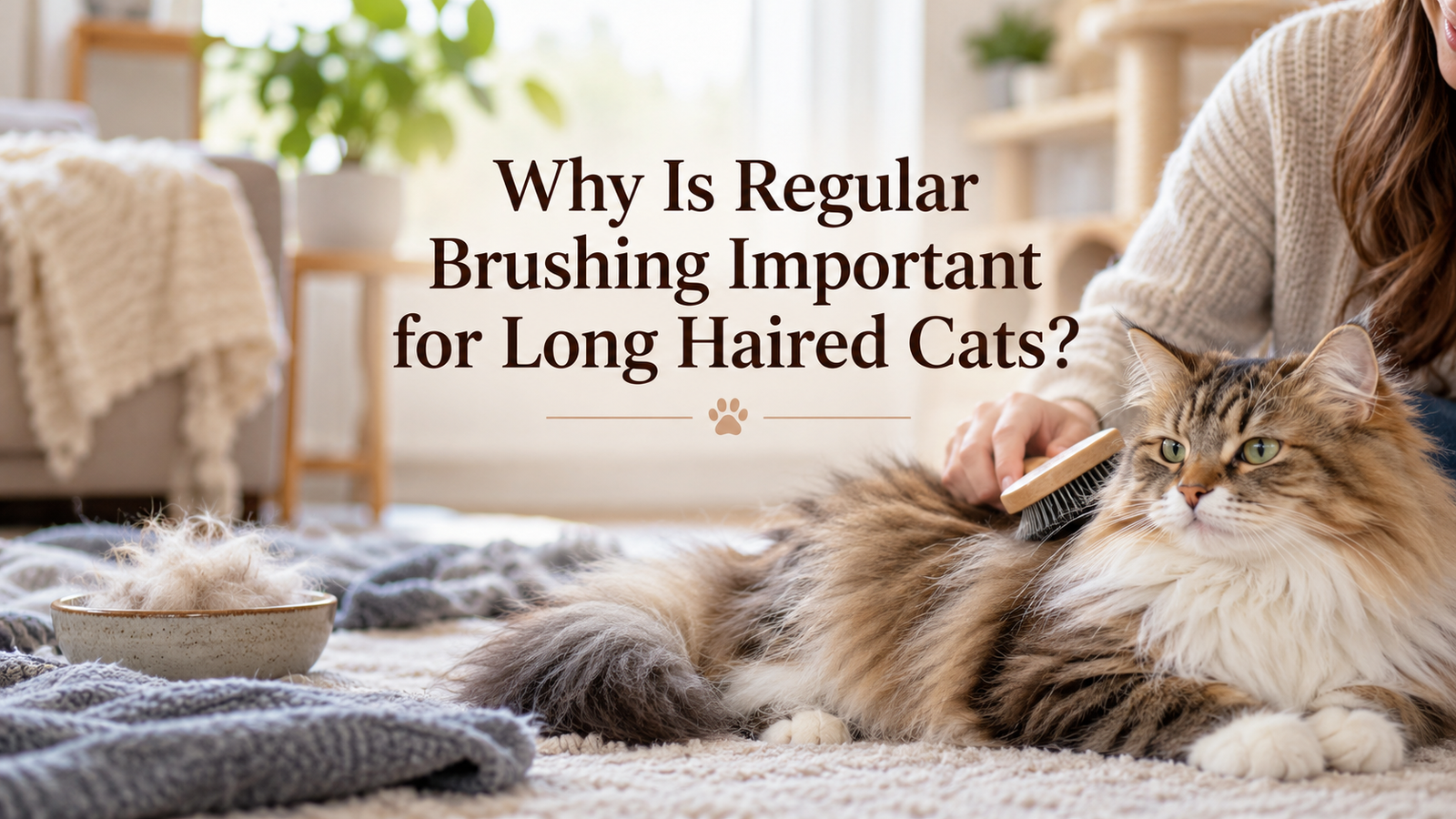
Long haired cats are admired for their beautiful coats, soft fur, and elegant appearance. Breeds such as Persian, Maine Coon, Ragdoll, and Himalayan cats are especially popular among people who love fluffy pets. However, maintaining their beautiful coats requires regular attention and proper grooming. One of the most important responsibilities of owning a long haired cat is brushing its fur regularly.
Regular brushing for long haired cats is not only about keeping their coats attractive. It also supports skin health, prevents painful tangles, reduces loose hair, and helps cats remain comfortable throughout the year. Without proper grooming, long fur can quickly become tangled, dirty, and difficult to manage.
Many cat owners believe that cats can maintain their coats without human assistance because they naturally groom themselves. Although cats spend considerable time cleaning their bodies, long haired breeds often need additional help.
Understanding the importance of brushing can help pet owners develop healthy grooming habits and prevent several common coat problems.
Understanding the Grooming Needs of Long Haired Cats
Long haired cats have coats that require more maintenance than those of short haired breeds. Their fur may contain a dense undercoat, longer protective hairs, or a combination of different hair textures.
These coat characteristics contribute to their beautiful appearance but also increase the possibility of tangling.
When cats walk, sleep, play, or groom themselves, individual hairs naturally move against each other. Loose hairs can become trapped within the coat instead of falling away.
Over time, these trapped hairs may form knots that become increasingly difficult to remove.
Areas around the stomach, legs, neck, and behind the ears are particularly vulnerable because the fur frequently rubs against itself.
Regular brushing removes loose hair before it becomes trapped and helps maintain a smooth, manageable coat.
1. Regular Brushing Prevents Mats and Tangles
One of the most important benefits of brushing long haired cats is preventing the formation of mats.
Mats develop when loose hairs become tangled with surrounding fur. Small tangles may initially appear harmless, but they can gradually tighten and form dense clumps.
These clumps can pull against the skin whenever the cat moves.
Severe matting may cause discomfort, skin irritation, or restricted movement. Moisture and debris can also become trapped beneath matted fur, creating conditions that contribute to skin problems.
Regular brushing separates individual hairs and removes tangles before they become difficult to manage.
Cats with dense coats may need daily brushing, especially around areas where friction commonly occurs.
If a mat becomes tightly attached to the skin, owners should seek professional grooming assistance rather than attempting to cut it out with scissors.
2. Brushing Helps Maintain Healthy Skin
Healthy skin plays an essential role in maintaining a beautiful coat.
A cat’s skin naturally produces oils that help protect the skin and condition the fur. Gentle brushing can help distribute these oils along the hair.
This contributes to a smoother coat and may reduce the appearance of dry or uneven fur.
Brushing also creates an opportunity to examine the skin for unusual changes.
Owners may notice redness, small bumps, excessive dandruff, wounds, or irritated areas that would otherwise remain hidden beneath thick fur.
Early recognition of these problems allows owners to seek veterinary advice when necessary.
However, brushing should always be gentle because excessive pressure or repeated brushing over the same area can irritate sensitive skin.
3. Regular Grooming Reduces Excessive Shedding Around the Home
All cats naturally shed hair as part of their normal hair growth cycle.
Long haired cats may leave noticeable amounts of fur on furniture, carpets, clothing, and bedding.
Although brushing cannot stop natural shedding, it helps collect loose hair before it spreads throughout the house.
Using an appropriate grooming brush can remove loose surface hair and some trapped undercoat without damaging healthy fur.
This makes cleaning easier and keeps the cat’s coat looking tidy.
Brushing can be especially helpful during seasonal shedding periods when some cats naturally lose more hair.
Pet owners should remember that sudden excessive shedding, bald patches, or skin irritation may indicate a medical problem rather than normal coat renewal.
4. Brushing May Help Reduce Hairball Problems
Hairballs are a common concern among long haired cats.
Cats naturally use their tongues to remove dirt and loose fur during self grooming. Their tongues have tiny backward facing structures that help capture hair.
Some of this hair is swallowed during grooming.
Most swallowed hair passes through the digestive system, but occasionally it collects in the stomach and is expelled as a hairball.
Long haired cats may swallow more hair because they have longer coats and often require extensive grooming.
Regular brushing helps reduce the amount of loose fur available for swallowing.
This may lower the frequency of hairball problems in some cats.
However, frequent vomiting, repeated attempts to vomit without producing anything, constipation, or loss of appetite should never be dismissed as ordinary hairball problems. These symptoms require veterinary attention.
5. Brushing Improves Comfort and Natural Movement
A clean and untangled coat helps cats move comfortably.
When long fur becomes severely matted, the tangled sections may pull against the skin during walking, stretching, or jumping.
This can make normal activities uncomfortable.
Some cats may become reluctant to move or may react negatively when affected areas are touched.
Regular brushing prevents these problems by keeping the coat free from tight knots.
Comfortable cats are generally better able to enjoy their normal activities, including climbing, playing, resting, and exploring.
Owners should pay special attention to areas under the front legs, around the hind legs, and near the belly because these regions often experience repeated friction.
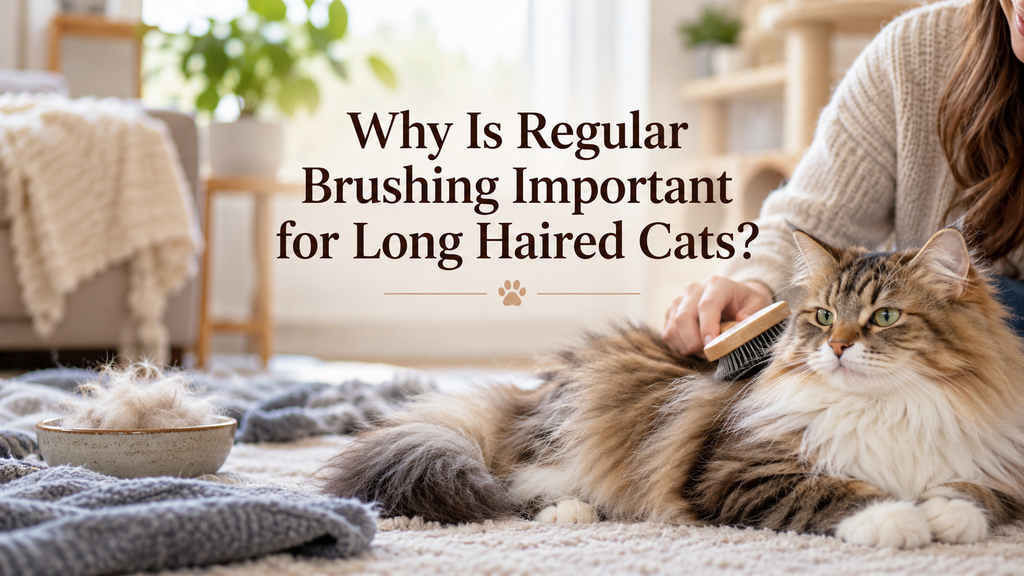
6. Grooming Creates Opportunities to Detect Health Problems
Brushing sessions provide an excellent opportunity to observe a cat’s physical condition.
Thick fur can hide many small changes in the skin and body.
While brushing, owners can gently examine their cats for unusual lumps, swelling, wounds, parasites, or sensitive areas.
Fleas and flea dirt may sometimes be discovered during grooming.
Changes in coat texture can also provide useful information about overall health.
For example, a previously well maintained coat may become greasy, dull, or neglected if a cat is experiencing illness, pain, or difficulty grooming.
Older cats with arthritis may struggle to reach certain parts of their bodies.
Regular grooming allows owners to notice these changes earlier and discuss concerning symptoms with a veterinarian.
7. Brushing Can Strengthen the Bond Between Cats and Owners
Grooming can become a positive shared activity when introduced patiently.
Many cats enjoy gentle brushing because it provides pleasant physical contact and individual attention.
A calm grooming routine may help build trust between a cat and its owner.
However, every cat has different preferences.
Some cats enjoy longer grooming sessions, while others tolerate only a few minutes.
Owners should respect these differences and avoid forcing cats to remain still when they become uncomfortable.
Starting with short sessions and offering small rewards can help cats develop positive associations with brushing.
Over time, regular grooming may become a familiar and relaxing part of daily life.
8. How Often Should Long Haired Cats Be Brushed?
The ideal brushing frequency depends on the breed, coat thickness, age, and individual grooming needs.
Many long haired cats benefit from daily brushing, particularly those with dense coats that tangle easily.
Persian cats often require more frequent grooming because their thick coats are especially vulnerable to matting.
Maine Coons and Ragdolls may have different grooming requirements depending on their coat textures and seasonal shedding patterns.
Some cats with manageable coats may remain comfortable with several thorough brushing sessions each week.
The most important goal is preventing tangles rather than following one fixed schedule for every cat.
Owners should check their cats’ coats regularly and increase grooming frequency whenever loose hair or knots become more noticeable.
9. Choosing the Right Brush for Long Haired Cats
Using appropriate grooming tools makes brushing safer and more effective.
Different brushes serve different purposes, and choosing the correct tool depends on the cat’s coat.
A slicker brush can help remove loose hair and separate light tangles.
A wide toothed metal comb is useful for checking whether the coat is properly detangled, especially near the undercoat.
A soft bristle brush can provide gentle finishing strokes and help smooth the outer coat.
Some owners also use specialized undercoat grooming tools during periods of heavy shedding.
However, aggressive grooming tools may damage fur or irritate the skin when used incorrectly.
Pet owners should select tools suitable for their cat’s specific coat and seek advice from a professional groomer when uncertain.
10. How to Brush a Long Haired Cat Properly
Proper brushing technique is just as important as brushing frequency.
Begin grooming when the cat is relaxed, preferably after eating or resting.
Choose a quiet location where the cat feels comfortable.
Start by gently brushing areas that the cat enjoys having touched, such as the back or shoulders.
Move slowly in the natural direction of hair growth.
When brushing thicker areas, carefully separate the fur into small sections so that loose hair near the skin can be reached.
Avoid pulling forcefully when encountering knots.
Instead, support the hair close to the skin and gently work through minor tangles using an appropriate comb.
Sensitive areas such as the stomach, armpits, and tail require additional care.
If the cat becomes anxious, stop the session and allow it to relax.
Several short grooming sessions are often more effective than one long session that causes stress.
11. Common Brushing Mistakes Cat Owners Should Avoid
Even well meaning owners sometimes make grooming mistakes.
One common mistake is waiting until the coat develops visible tangles before brushing.
Preventive grooming is usually much easier and more comfortable than removing established mats.
Another mistake is brushing too aggressively.
Applying excessive pressure can cause discomfort, skin irritation, and resistance to future grooming sessions.
Some owners use unsuitable brushes that pull healthy hair or scratch delicate skin.
Brushing only the outer layer of fur is another common problem because hidden tangles may remain close to the skin.
Owners should also avoid bathing severely matted cats without professional guidance because wetting tangled fur can make existing mats more difficult to manage.
Regular, gentle, and thorough grooming produces better results than occasional aggressive brushing.
12. Special Grooming Considerations for Older Cats
Senior cats may require additional assistance with coat maintenance.
As cats age, arthritis, reduced flexibility, dental problems, and other health conditions can make self grooming difficult.
Some older cats gradually develop tangled fur around their backs, hips, and hindquarters.
Owners should inspect these areas regularly and provide gentle assistance.
Short grooming sessions with soft tools may be more comfortable for cats experiencing joint stiffness.
Changes in grooming behavior should also be discussed with a veterinarian because they may indicate underlying discomfort or illness.
Proper coat care helps older cats remain cleaner and more comfortable.
13. When Should Cat Owners Seek Professional Grooming Help?
Not every coat problem can be managed safely at home.
Professional assistance may be necessary when a cat develops extensive matting, tightly tangled fur, or severe resistance to handling.
Professional cat groomers have experience managing difficult coats and may use specialized equipment to remove mats safely.
In some cases, shaving affected sections may be necessary to restore comfort.
Cats with painful skin conditions, severe matting, or significant anxiety may require veterinary assistance.
Owners should never attempt to remove tightly attached mats using household scissors because cat skin is delicate and can easily be injured.
Seeking help early can prevent a small grooming problem from developing into a serious welfare concern.
14. Building a Healthy Daily Grooming Routine
A successful grooming routine should be simple, consistent, and comfortable for the cat.
Choosing approximately the same time each day can help establish familiarity.
Keeping grooming tools nearby also makes regular brushing more convenient.
Begin each session with gentle strokes and gradually examine areas where tangles commonly develop.
Observe the condition of the coat and skin without rushing.
Praise, calm handling, and suitable treats can encourage cooperation.
Regularly cleaning grooming tools is also important because collected hair and debris can reduce their effectiveness.
With patience, brushing can become a manageable part of responsible pet care rather than an unpleasant task.
Frequently Asked Questions
Is daily brushing necessary for every long haired cat?
Not every long haired cat requires daily brushing, but many benefit from it. Cats with very dense or easily tangled coats often need daily grooming, while others may manage with several sessions per week.
Can regular brushing stop cat shedding completely?
No. Shedding is a natural biological process. Brushing helps remove loose fur and may reduce the amount of hair deposited around the home, but it cannot eliminate normal shedding.
What happens if a long haired cat is never brushed?
Without adequate grooming, loose hair can accumulate and develop into mats. Severe matting may cause discomfort, restrict movement, and contribute to skin irritation.
Should owners brush their cats before or after bathing?
Brushing and removing tangles before bathing is generally preferable. Existing mats may become harder to manage after getting wet. Cats usually do not need frequent baths unless there is a specific reason.
Why does my cat dislike being brushed?
Some cats dislike brushing because of previous painful experiences, sensitive skin, unsuitable tools, or unfamiliar handling. Gentle techniques, short sessions, and positive rewards may help. Sudden sensitivity should be assessed by a veterinarian.
Conclusion
Regular brushing is essential for maintaining the health, comfort, and appearance of many long haired cats. It helps prevent painful mats, removes loose fur, supports skin care, and may reduce problems associated with swallowed hair.
Grooming also gives owners valuable opportunities to observe changes in their cats’ physical condition and identify potential health concerns.
The best grooming routine depends on each cat’s coat type, age, temperament, and individual needs.
By using appropriate brushes, practicing gentle techniques, and maintaining a consistent schedule, pet owners can help their long haired cats enjoy clean, comfortable, and manageable coats.
A few minutes of thoughtful grooming each day can make a meaningful difference in a cat’s everyday comfort and overall quality of life.