
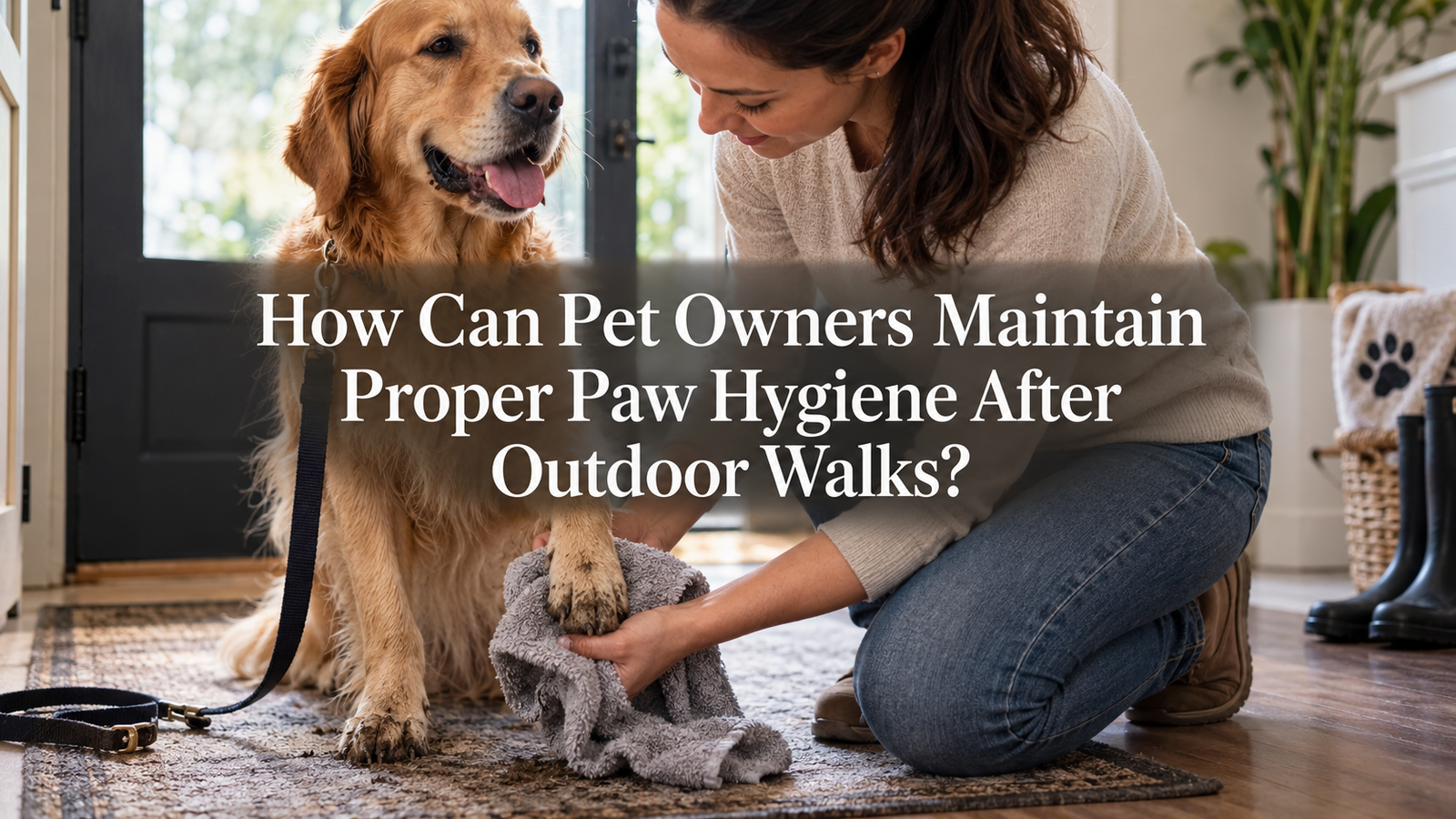
Taking pets outside for regular walks is an important part of their daily routine. Walking gives dogs and other outdoor pets an opportunity to exercise, explore their surroundings, and enjoy fresh air. However, outdoor activities also expose their paws to dirt, dust, mud, bacteria, and other unwanted substances. This makes proper paw hygiene an essential part of responsible pet care.
Many pet owners focus on feeding, bathing, and grooming but sometimes overlook the importance of keeping their pets’ paws clean. Since paws come into direct contact with roads, grass, soil, and different outdoor surfaces, they can collect harmful materials during everyday walks.
Maintaining proper paw hygiene after outdoor walks helps protect pets from skin irritation, infections, and discomfort. It also keeps floors, furniture, and sleeping areas cleaner.
Fortunately, cleaning a pet’s paws does not require expensive equipment or complicated methods. With a few simple habits, pet owners can make paw cleaning a comfortable and useful part of their daily pet care routine.
Why Is Paw Hygiene Important for Pets?
Pet paws play an important role in movement, balance, and protection. Their paw pads help absorb pressure while walking, running, and jumping. These pads are naturally strong, but they can still become irritated or injured.
During outdoor walks, pets may step on wet soil, small stones, chemicals, dirty water, or rough surfaces. Some substances can remain between their toes or become trapped in the fur surrounding their paws.
Without regular cleaning, this buildup may cause discomfort and increase the risk of certain skin problems.
Proper paw hygiene helps remove unwanted dirt before it causes irritation. It also gives pet owners an opportunity to examine their pets’ feet for injuries or unusual changes.
Clean paws are particularly important for pets that spend time indoors because outdoor dirt can easily spread to carpets, beds, and other household surfaces.
Clean Your Pet’s Paws After Every Outdoor Walk
One of the simplest ways to maintain proper paw hygiene is to establish a cleaning routine after outdoor walks.
Pets that walk on clean, dry surfaces may only need a gentle wipe. However, pets that explore muddy areas, wet grass, or dusty roads may require more thorough cleaning.
A soft cloth dampened with lukewarm water is usually enough to remove ordinary dirt.
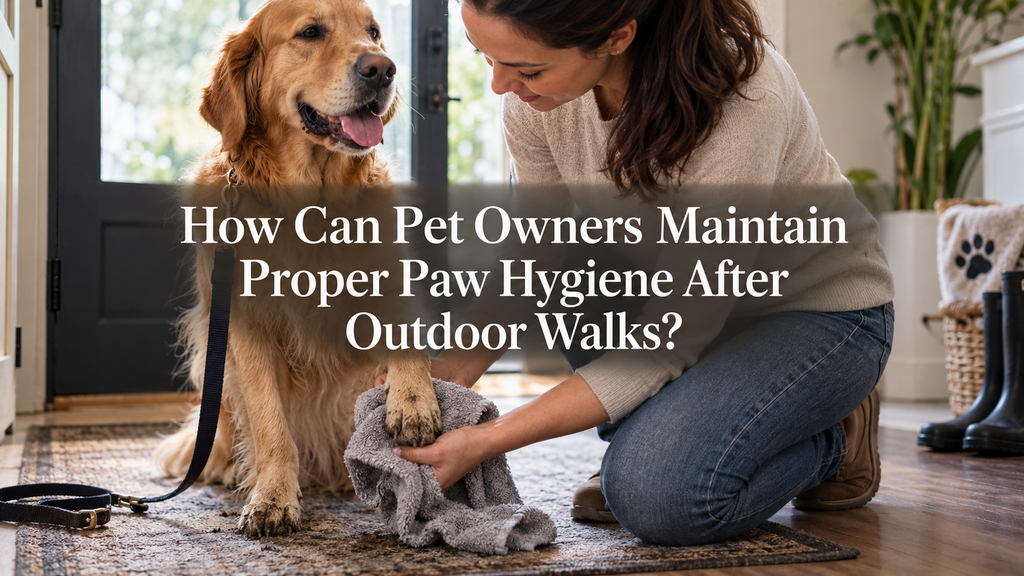
Gently wipe each paw, including the paw pads and spaces between the toes. Avoid rubbing too hard because excessive friction can irritate sensitive skin.
For heavily soiled paws, rinse them with lukewarm water and remove any visible debris.
The cleaning process should remain calm and comfortable. Pet owners can gradually teach their pets to accept paw handling by offering praise and occasional treats.
Making paw cleaning a consistent habit helps pets understand that it is a normal part of returning home.
Use Lukewarm Water for Gentle Cleaning
Water is one of the safest and most effective options for everyday paw cleaning.
Lukewarm water helps remove dust, loose dirt, and mud without exposing the skin to unnecessary cleaning chemicals.
Extremely hot water should always be avoided because it can cause discomfort or burns. Very cold water may also be unpleasant, particularly during colder months.
When cleaning paws, pet owners can use a small bowl of lukewarm water or a damp washcloth.
If the paws are covered in mud, allow the water to soften the dirt before gently wiping it away.
Strong soaps are generally unnecessary for routine cleaning. If a cleanser is needed, choose a mild product specifically designed for pets and follow its instructions.
Human shampoos and household cleaning products may contain ingredients that irritate animal skin.
Using simple cleaning methods helps maintain paw hygiene without disturbing the skin unnecessarily.
Pay Attention to the Spaces Between the Toes
The areas between a pet’s toes are often overlooked during cleaning.
These small spaces can trap mud, grass, sand, tiny stones, and other outdoor materials.
In pets with longer fur, debris may become tangled in the hair and remain unnoticed.
After every outdoor walk, gently separate the toes and examine the spaces between them.
Remove visible dirt using a damp cloth. If something is stuck deeply in the skin or cannot be removed easily, avoid pulling or digging at it.
Persistent redness, swelling, pain, or discharge between the toes should be evaluated by a veterinarian.
Regular inspection is especially useful for dogs that enjoy running through parks, fields, and grassy areas.
Keeping these spaces clean and dry can reduce irritation caused by trapped dirt and moisture.
Dry the Paws Properly After Washing
Washing is only one part of maintaining proper paw hygiene. Drying the paws afterward is equally important.
Moisture that remains between the toes may contribute to skin irritation and create conditions that favor certain bacterial or yeast problems.
After cleaning, use a clean, soft towel to gently dry each paw.
Pay special attention to the areas between the toes and around the paw pads.
Avoid using excessive heat from hair dryers because sensitive paw skin can become overheated.
A towel is usually sufficient for everyday drying.
Pets with thick fur around their feet may require additional attention because moisture can remain trapped in the hair.
By keeping paws clean and dry, pet owners can support healthier skin and improve overall comfort.
Check Paw Pads for Cuts and Injuries
Outdoor walks sometimes expose pets to sharp objects, rough roads, broken glass, and uneven surfaces.
Even small injuries can cause pain when a pet continues walking.
After cleaning the paws, take a moment to inspect each paw pad.
Look for visible cuts, cracks, swelling, redness, or objects trapped in the skin.
Also observe whether your pet reacts unusually when a particular paw is touched.
Limping, repeated paw licking, or reluctance to walk may indicate discomfort.
Minor surface dirt can be cleaned gently, but deep wounds, punctures, significant bleeding, and painful injuries require veterinary attention.
Regular inspection allows pet owners to notice changes early rather than discovering them after the problem becomes more serious.
This simple habit can make outdoor activities safer and more comfortable.
Protect Your Pet’s Paws From Harmful Outdoor Chemicals
Outdoor surfaces may contain substances that are not suitable for direct contact with animal skin.
Examples include road cleaning chemicals, pesticides, fertilizers, and certain garden treatments.
Pets can pick up these substances on their paws and may later lick them while grooming.
For this reason, pet owners should avoid walking pets through recently treated lawns or areas where chemical products have been applied.
When returning home, gently remove any suspected residue from the paws.
If a pet has stepped in an unknown chemical, prevent licking, rinse the affected area thoroughly with lukewarm running water when appropriate, and contact a veterinarian or animal poison service for guidance.
Some chemical exposures require immediate professional care.
Preventing contact with potentially harmful materials is always better than relying on cleaning afterward.
Choosing safer walking routes can therefore support both paw hygiene and general pet health.
Keep Paw Hair Neat and Clean
Some dogs have longer hair growing around and between their paw pads.
Although this fur is natural, excessive growth can trap mud, moisture, and outdoor debris.
It may also make cleaning more difficult.
Pet owners should regularly examine the fur surrounding their pets’ feet.
If the hair becomes excessively long, careful trimming by a professional groomer can help maintain cleanliness.
Sharp scissors should not be used carelessly near paw pads because sudden movement can lead to injury.
Trimming is not necessary for every pet, and the natural protective fur should not be removed excessively.
Maintaining an appropriate fur length can make everyday paw cleaning easier, especially for long haired breeds.
Choose Safe Walking Surfaces
The condition of outdoor walking surfaces affects paw cleanliness and comfort.
Clean sidewalks, maintained walking paths, and suitable grassy areas are generally easier on paws than areas containing sharp rubbish or unknown chemicals.
During summer, asphalt and concrete can become extremely hot.
Hot surfaces may burn paw pads, even during relatively short walks.
Pet owners should check pavement temperature before allowing their animals to walk on it. If the surface feels too hot to hold the back of a hand against comfortably for several seconds, choose a cooler route.
Early morning and evening walks may reduce exposure to intense heat.
During rainy weather, muddy paths and standing water can increase dirt buildup. Avoid puddles that may contain chemicals or sewage.
Selecting suitable walking areas reduces unnecessary exposure to hazards and makes cleaning easier afterward.
Use Pet Friendly Paw Cleaning Products
Many grooming products are designed specifically for cleaning animal paws.
These may include pet wipes, gentle paw cleansers, and reusable paw washing cups.
Such products can be convenient, particularly when pet owners travel or return from walks in muddy conditions.
However, not every cleaning product is appropriate for every animal.
Choose products labeled for the intended species and avoid harsh fragrances, alcohol based sanitizers, bleach, and strong disinfectants.
Products intended for humans may contain ingredients that are unsuitable for pets, especially when animals lick their paws.
When using a new product, observe whether it causes redness or discomfort.
If irritation develops, stop using the product and consult a veterinarian.
Simple water and a clean cloth remain excellent choices for routine paw care.
Maintain Healthy Paw Pads
Healthy paw pads help pets move comfortably and protect their feet from everyday pressure.
However, repeated exposure to rough surfaces, dry weather, and environmental conditions may cause the pads to become dry or cracked.
Pet owners should inspect paw pads regularly and look for unusual dryness or damage.
If moisturizing is necessary, a veterinarian can recommend an appropriate pet safe paw balm.
Human lotions should not automatically be used because some ingredients may be irritating or unsafe if swallowed.
Apply only the recommended amount and prevent excessive licking according to product instructions.
It is also important to understand that paw pads naturally have a firmer texture than ordinary skin.
Not every rough surface requires treatment.
Proper care involves maintaining normal skin health rather than trying to make paw pads unusually soft.
Keep Nails at a Comfortable Length
Nail care is another important part of overall paw hygiene.
Overgrown nails may affect how a pet places its feet on the ground. They can also cause discomfort or become caught on certain surfaces.
Pet owners should check nail length regularly.
Some dogs naturally wear their nails down through walking, while others need routine trimming.
The appropriate trimming schedule depends on the pet’s activity level, breed, and nail growth.
Use nail clippers designed for pets and avoid cutting into the sensitive quick inside the nail.
If trimming feels difficult, a veterinarian or professional groomer can demonstrate the correct technique.
Keeping nails at a suitable length helps support comfortable movement and makes paw inspection easier.
Wash Paw Cleaning Towels Regularly
Paw cleaning equipment also needs attention.
A towel that is repeatedly used without washing may collect dirt and microorganisms.
Instead of improving hygiene, dirty cleaning materials can transfer unwanted substances back onto the paws.
Keep a dedicated towel near the entrance for cleaning your pet’s feet.
Wash it regularly using an appropriate laundry detergent, rinse thoroughly, and allow it to dry completely before reuse.
Replace worn or heavily contaminated towels when necessary.
Reusable paw washing cups should also be emptied, cleaned, and dried according to their instructions.
Maintaining clean grooming supplies supports a healthier home environment.
Teach Your Pet to Accept Paw Handling
Some pets dislike having their feet touched.
This behavior may result from unfamiliarity, sensitivity, previous discomfort, or fear.
Forcing a pet to remain still during cleaning can increase stress and make future grooming more difficult.
Instead, introduce paw handling gradually.
Begin by gently touching a paw for a short moment and rewarding calm behavior.
As the pet becomes comfortable, practice lifting the paw and wiping it with a soft cloth.
Keep early sessions brief and positive.
Never punish a pet for pulling away or showing signs of discomfort.
With consistent practice, many pets become more cooperative during routine paw cleaning.
Positive experiences make maintaining proper paw hygiene easier for both pets and their owners.
Recognize When Paw Problems Need Veterinary Attention
Regular cleaning can prevent certain hygiene problems, but it cannot treat every paw condition.
Some symptoms may indicate infections, allergies, injuries, or other medical concerns.
Pet owners should pay attention to persistent redness, swelling, unpleasant odors, excessive licking, discharge, or visible changes in the paw pads.
A pet that suddenly refuses to place weight on a paw may be experiencing significant pain.
Severe bleeding, suspected burns, deep wounds, or obvious injuries require prompt veterinary care.
Persistent licking can also have causes unrelated to outdoor dirt, including allergies or skin disease.
Avoid applying random household remedies or human medications without veterinary guidance.
Early professional assessment can help identify the underlying problem and prevent unnecessary discomfort.
Create a Simple Daily Paw Hygiene Routine
Consistency is more important than complicated grooming techniques.
A practical daily paw hygiene routine can begin immediately after returning from an outdoor walk.
First, inspect the paws for visible dirt and foreign objects. Next, wipe away dust or rinse muddy areas with lukewarm water.
Clean between the toes gently and dry the paws thoroughly with a soft towel.
Finally, examine the paw pads and nails for signs of damage.
This routine usually requires only a few minutes for paws that are not heavily soiled.
During wet weather or after exploring muddy areas, additional cleaning may be necessary.
Pet owners should adjust the routine according to their pet’s activities, environment, and individual needs.
By making paw care part of everyday life, maintaining cleanliness becomes easier and more natural.
Conclusion
Maintaining proper paw hygiene after outdoor walks is a simple but valuable responsibility for every pet owner. Clean paws help reduce the buildup of dirt, remove potentially irritating substances, and support healthier skin.
Regular washing, careful drying, paw pad inspection, and appropriate grooming are important parts of this routine. Choosing safer walking surfaces and using gentle cleaning products can also reduce unnecessary exposure to outdoor hazards.
Most importantly, paw care should be comfortable and consistent. Pets that become familiar with gentle handling are more likely to cooperate with daily cleaning.
A few minutes of attention after each walk can help pets remain clean, comfortable, and ready for their next outdoor adventure.
Proper paw hygiene is not simply about keeping the house clean. It is an important part of protecting a pet’s everyday health, comfort, and overall well-being.