
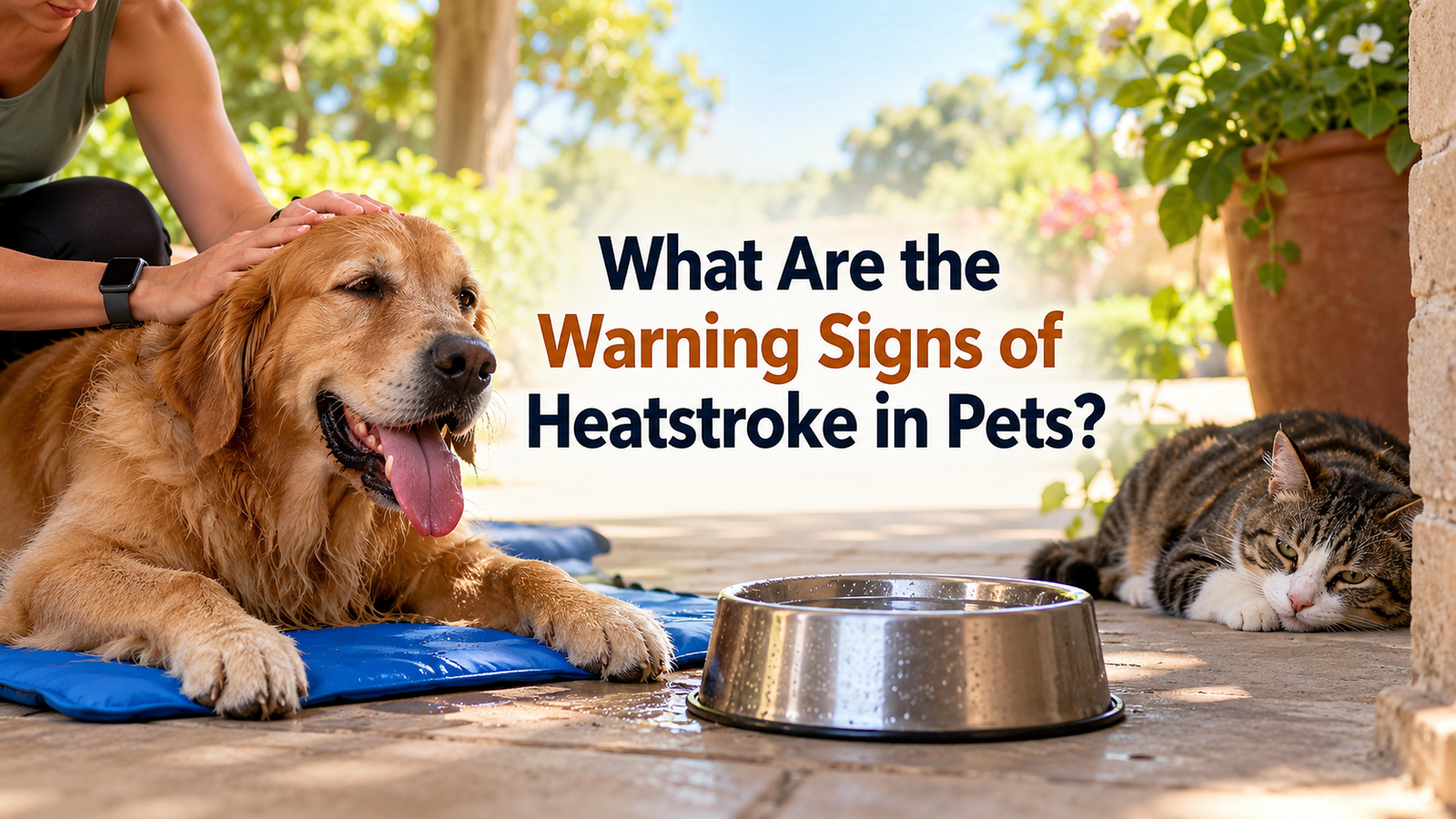
Heatstroke in pets is a serious health emergency that can develop when an animal’s body becomes dangerously overheated. Dogs and cats depend on their owners to provide a safe environment, especially during hot summer weather. Understanding the warning signs of heatstroke in pets can help owners recognize danger early and take action before the condition becomes life threatening.
Many pet owners believe that animals can tolerate high temperatures because they have natural ways of cooling themselves. However, pets cannot regulate their body temperature as efficiently as humans. Dogs mainly release heat through panting, while cats often seek cooler places and reduce their activity. When these natural cooling methods are not enough, body temperature can rise rapidly.
Heatstroke can affect pets of different ages, breeds, and sizes. Animals with thick coats, breathing problems, excess body weight, or existing medical conditions may face greater risks. Learning to recognize the symptoms of heatstroke in dogs and cats is an important part of responsible pet ownership.
What Is Heatstroke in Pets?
Heatstroke occurs when a pet’s body temperature rises to a dangerous level and its natural cooling system can no longer maintain a safe temperature.
A healthy dog’s or cat’s normal body temperature is generally around 38°C to 39.2°C. When body temperature rises significantly above this range, serious health problems can develop.
Heatstroke can damage important organs, including the brain, kidneys, liver, and heart. Without immediate treatment, severe overheating may result in organ failure or death.
Pets may develop heatstroke after spending time in extremely hot environments, exercising too much during warm weather, or being left in poorly ventilated spaces.
Recognizing the early warning signs of heatstroke in pets is essential because the condition can progress quickly.
1. Excessive Panting and Rapid Breathing
One of the earliest warning signs of heatstroke in dogs is excessive panting.
Dogs normally pant after exercise or when the weather is warm. However, unusually heavy, rapid, or continuous panting can indicate that their body is struggling to release excess heat.
An overheated dog may breathe much faster than usual, even while resting in the shade.
Some dogs may also appear uncomfortable and unable to settle down.
Cats generally pant less frequently than dogs. Therefore, open mouth breathing or panting in a cat should always be treated as a concerning symptom.
If a pet continues breathing heavily despite moving into a cooler environment, immediate veterinary attention is necessary.
2. Excessive Drooling or Thick Saliva
Another common symptom of heatstroke in pets is excessive drooling.
Dogs may produce more saliva as they attempt to cool themselves through panting. During overheating, this saliva can become unusually thick or sticky.
Owners may notice wet fur around the mouth or long strands of saliva hanging from the dog’s lips.
Drooling alone does not always indicate heatstroke. It can also occur because of excitement, nausea, or dental problems.
However, excessive drooling combined with heavy panting, weakness, or unusual behavior may suggest dangerous overheating.
Cats experiencing severe heat stress may also drool, although this symptom is less common.
3. Bright Red or Abnormally Colored Gums
Changes in gum color can provide important clues about a pet’s physical condition.
During heatstroke, a dog’s gums may appear unusually bright red because of changes in blood circulation.
As the condition becomes more severe, the gums may become pale, gray, or bluish.
These changes can indicate serious circulation or oxygen problems.
Healthy gums are usually pink, although natural pigmentation can make their appearance different in some animals.
Pet owners should become familiar with their animal’s normal gum color so that unusual changes are easier to recognize.
Abnormal gum color, especially when combined with breathing difficulties or weakness, requires emergency veterinary care.
4. Unusual Weakness and Extreme Tiredness
A pet developing heatstroke may suddenly become weak, tired, or unwilling to move.
An active dog that normally enjoys playing may unexpectedly stop walking or lie down during an outdoor activity.
The animal may appear exhausted even after minimal exercise.
Some pets struggle to stand or show little interest in their surroundings.
This type of weakness occurs because overheating places considerable stress on the body’s organs and circulation.
Although tiredness can have many causes, sudden weakness during hot weather should never be ignored.
Move the pet to a cooler location immediately and seek veterinary assistance.
5. Vomiting and Diarrhea
Digestive problems can also occur when a pet experiences heatstroke.
Some dogs develop vomiting or diarrhea as their body temperature rises.
These symptoms may appear alongside panting, drooling, weakness, or changes in behavior.
In severe cases, vomit or diarrhea may contain blood, indicating potentially serious damage to the digestive system.
Vomiting and diarrhea can also contribute to dehydration, making an already dangerous situation worse.
Owners should not assume these symptoms are caused by ordinary stomach problems when the pet has recently been exposed to excessive heat.
Prompt veterinary assessment is essential.
6. Confusion and Unusual Behavior
Behavioral changes are another important warning sign of heatstroke in pets.
An overheated animal may appear confused, restless, or unaware of its surroundings.
A dog might walk aimlessly, ignore familiar commands, or seem unable to recognize its usual environment.
Some pets become unusually anxious, while others appear quiet and unresponsive.
These changes may occur when excessive heat begins affecting the brain and nervous system.
Owners should pay attention to sudden behavioral changes, particularly after outdoor activities or exposure to high temperatures.
Confusion associated with overheating is a serious symptom that requires immediate treatment.
7. Difficulty Walking and Loss of Balance
Heatstroke can affect a pet’s ability to move normally.
Dogs and cats experiencing severe overheating may stumble, sway, or have difficulty maintaining their balance.
Their legs may appear weak, and they may struggle to walk in a straight line.
Some animals develop muscle tremors or unusual shaking.
These symptoms can occur when the nervous system and circulation become affected by excessive body heat.
Loss of coordination is a dangerous warning sign.
If a pet begins stumbling during hot weather, owners should stop all physical activity, begin cooling the animal, and arrange emergency veterinary care.
8. Rapid Heartbeat
A faster than normal heartbeat can also indicate that a pet is experiencing heat stress.
When body temperature increases, the heart works harder to circulate blood and support the body’s cooling efforts.
Owners may notice a stronger or unusually rapid heartbeat.
However, heart rates naturally vary according to an animal’s size, age, activity level, and emotional state.
Therefore, a rapid heartbeat should be evaluated alongside other symptoms such as panting, weakness, drooling, and abnormal gum color.
A veterinarian can determine whether the increased heart rate is related to overheating or another medical condition.
9. Collapse, Seizures, and Unconsciousness
The most dangerous warning signs of heatstroke in pets include collapse, seizures, and loss of consciousness.
These symptoms suggest that overheating has become severe and may be affecting vital organs.
A pet may suddenly fall to the ground and become unable to stand.
Some animals develop uncontrollable muscle movements or seizures.
Others may become completely unresponsive.
This situation requires immediate emergency action.
Begin safe cooling measures immediately and obtain urgent veterinary treatment. Never attempt to give food or water to an unconscious animal.
Severe heatstroke can be fatal without rapid medical intervention.
Which Pets Are More Likely to Develop Heatstroke?
Although heatstroke can affect any animal, certain pets are particularly vulnerable.
Dogs with short noses, such as Bulldogs, Pugs, and French Bulldogs, often struggle to cool themselves efficiently through panting.
Persian cats and other flat faced cat breeds may also experience breathing difficulties during extreme heat.
Older pets, young puppies, kittens, and overweight animals may have greater difficulty managing high temperatures.
Pets suffering from heart disease, respiratory problems, or other medical conditions may face additional risks.
Animals with thick coats can also become uncomfortable during warm weather, especially when humidity is high.
Owners of vulnerable pets should take extra precautions and monitor them carefully during summer.
What Should Pet Owners Do If They Suspect Heatstroke?
Recognizing heatstroke symptoms is only the first step. Immediate action can help reduce the risk of permanent damage.
First, move the pet away from direct sunlight and into a cooler, well ventilated environment.
Stop all exercise and physical activity.
Begin cooling the animal by pouring or spraying water that is cooler than its body temperature over its fur and skin. For dogs, cool or cold tap water can be effective. Keep water away from the nose and mouth, particularly if breathing is difficult.
Use a fan or air conditioning to improve airflow and assist cooling.
If the animal is fully conscious and able to swallow normally, offer small amounts of fresh drinking water. Never force water into its mouth.
Do not wrap the pet in wet towels because they may prevent effective heat loss.
Contact a veterinarian immediately and arrange emergency transport. Begin cooling before transport whenever possible, and continue following veterinary advice.
Even if the pet begins acting normally, professional examination remains essential because internal complications can develop after the initial symptoms improve.
How Can Pet Owners Prevent Heatstroke?
Preventing heatstroke is much safer than treating a serious overheating emergency.
Pet owners should always provide clean drinking water and access to comfortable, shaded areas.
Outdoor walks should be scheduled during cooler morning or evening hours.
Avoid intense exercise during hot and humid weather.
Never leave a dog or cat inside a parked vehicle, even when the windows are slightly open. Temperatures inside vehicles can rise dangerously within minutes.
Indoor pets should have proper ventilation and access to cooler rooms during extremely hot weather.
Owners should also check outdoor surfaces before walking their dogs because hot pavement can cause painful paw injuries.
Regular grooming may help maintain coat condition, but shaving an animal’s coat is not always beneficial. Grooming decisions should depend on the breed and veterinary advice.
Finally, watch pets closely for early signs of discomfort whenever temperatures become unusually high.
Frequently Asked Questions About Heatstroke in Pets
Can indoor cats develop heatstroke?
Yes. Indoor cats can develop heatstroke when rooms become excessively hot, especially if ventilation is poor or fresh drinking water is unavailable.
How quickly can heatstroke develop in dogs?
Heatstroke can develop within minutes under dangerous conditions. The exact timing depends on temperature, humidity, exercise, breed, and overall health.
Can a pet recover completely from heatstroke?
Some pets recover completely when overheating is recognized and treated promptly. However, severe cases may cause lasting organ damage or death.
Is heavy panting always a sign of heatstroke?
No. Dogs commonly pant after exercise or excitement. However, persistent or excessive panting combined with weakness, drooling, or abnormal behavior may indicate dangerous overheating.
Conclusion
Understanding the warning signs of heatstroke in pets is an essential responsibility for every dog and cat owner.
Excessive panting, thick saliva, unusual gum color, weakness, vomiting, confusion, rapid heartbeat, and loss of balance can all indicate overheating.
Severe symptoms such as seizures, collapse, and unconsciousness require immediate emergency treatment.
Pet owners should pay particular attention to vulnerable animals during hot weather and ensure that fresh water, shade, and proper ventilation are always available.
Early recognition, immediate cooling, and prompt veterinary care can greatly improve a pet’s chances of survival.
By understanding the symptoms of heatstroke in dogs and cats and taking practical preventive measures, owners can help protect their animals from one of the most dangerous health risks associated with extreme temperatures.