
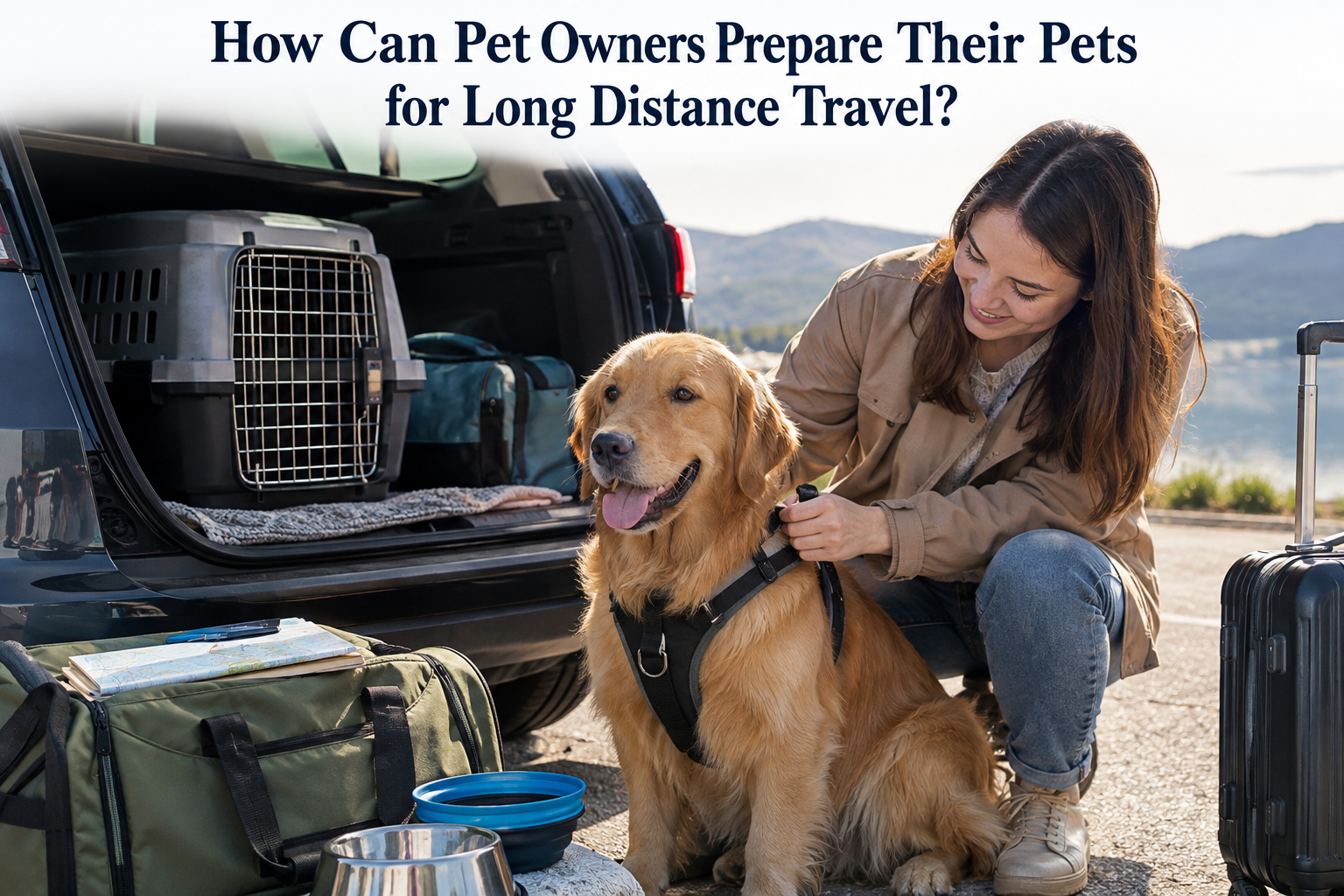
Traveling with pets can be a wonderful experience, especially when they are considered important members of the family. Whether you are moving to another city, planning a family vacation, or visiting relatives, taking your dog or cat along requires careful preparation. Long distance travel can expose pets to unfamiliar environments, different temperatures, unusual sounds, and changes in their daily routines.
Unlike humans, pets cannot fully understand why they are leaving their familiar surroundings. Some animals enjoy exploring new places, while others become nervous when their normal routines change. This is why preparing pets for long distance travel is essential for protecting their physical health, emotional comfort, and overall safety.
With proper planning, patience, and attention to their individual needs, pet owners can make traveling safer and more comfortable for their furry companions.
Why Is Preparation Important for Long Distance Pet Travel?
Preparing pets before a long journey helps reduce unnecessary stress and prevents avoidable health problems. Dogs and cats often depend on familiar surroundings to feel secure. Sudden changes in their environment may cause anxiety, restlessness, digestive discomfort, or changes in behavior.
Long journeys may also involve extended periods inside vehicles or transport carriers. Without proper preparation, pets can experience dehydration, overheating, motion sickness, or physical discomfort.
Travel preparation allows owners to identify potential problems before leaving home. It also provides time to introduce pets to travel equipment, arrange veterinary appointments, and develop a suitable feeding schedule.
A well prepared pet is more likely to remain comfortable throughout the journey.
Schedule a Veterinary Checkup Before Traveling
One of the most important steps in preparing pets for long distance travel is scheduling a veterinary examination.
A veterinarian can evaluate the animal’s general health and determine whether it is suitable for traveling. This is especially important for puppies, kittens, senior pets, pregnant animals, and pets with existing medical conditions.
During the appointment, owners should discuss the expected travel duration, transportation method, destination, and any previous travel difficulties.
The veterinarian may recommend updating vaccinations, reviewing parasite prevention, or arranging necessary health documentation.
For pets that experience motion sickness or severe anxiety, veterinary guidance can help owners understand appropriate treatment options.
Pet owners should never give human sleeping medications or sedatives without veterinary instructions. Some medications can cause serious complications, particularly during air travel.
Choose the Right Travel Carrier
A suitable travel carrier plays an important role in keeping pets safe during long distance journeys.
The carrier should provide enough room for the pet to stand naturally, turn around, and lie down comfortably. However, it should not be so large that the animal can slide around during sudden vehicle movements.
Proper ventilation is essential because restricted airflow can contribute to overheating and breathing difficulties.
Pet owners should select carriers made from durable materials with secure doors and reliable locking systems.
For air travel, the carrier must meet the specific airline’s requirements. Different airlines may have different rules regarding carrier dimensions, ventilation, and transportation arrangements.
A comfortable carrier with suitable bedding can create a secure resting environment throughout the journey.
Help Pets Become Familiar With Their Carrier
Introducing a travel carrier on the day of departure can create unnecessary fear.
Instead, pet owners should begin carrier training several weeks before traveling whenever possible.
Place the carrier in a quiet area of the home and leave its door open. Add familiar bedding, a favorite toy, or another safe item carrying the pet’s usual scent.
Allow the animal to explore the carrier voluntarily.
Offering small treats or praise when the pet approaches or enters the carrier can encourage positive associations.
Once the pet becomes comfortable, practice closing the door for short periods while remaining nearby.
Gradually increase the time spent inside the carrier.
This simple preparation can make a significant difference during long distance pet travel.
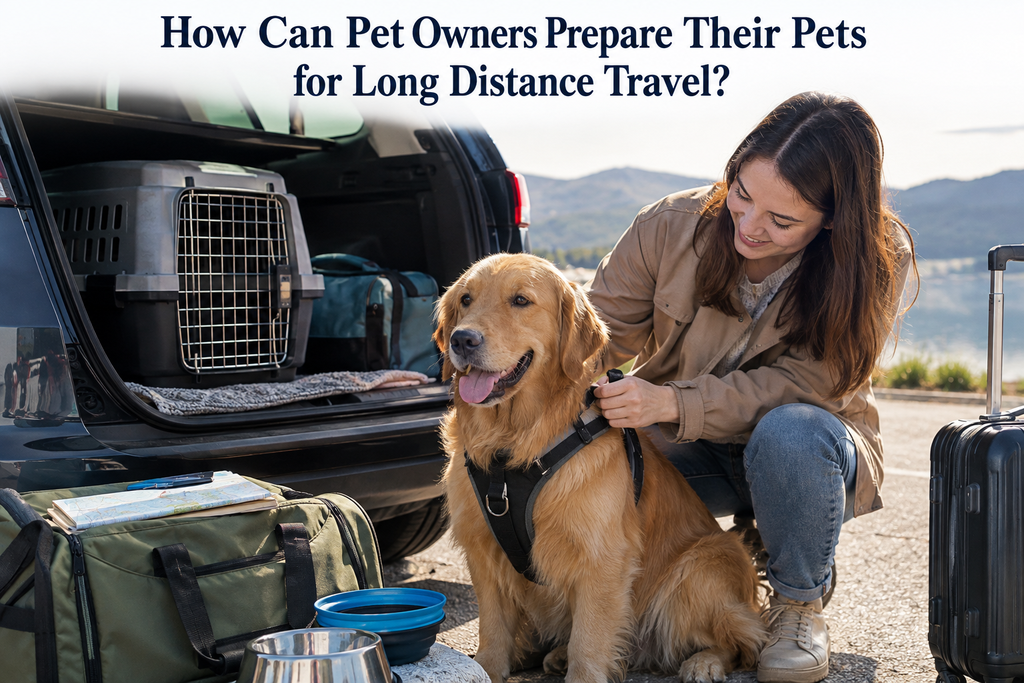
Practice Short Trips Before the Long Journey
Pets that rarely travel in vehicles may find long journeys particularly stressful.
Short practice trips can help them become familiar with vehicle movement, engine sounds, and changing surroundings.
Start with a few minutes inside a parked vehicle while the pet remains safely secured.
Next, introduce short drives around the neighborhood.
Gradually increase the journey duration as the animal becomes more comfortable.
Pay attention to signs of discomfort, including excessive drooling, trembling, whining, vomiting, or unusual restlessness.
Some pets need additional time to adjust, and forcing them into lengthy trips too quickly may increase their anxiety.
Consistent practice can help build confidence before the actual journey.
Prepare a Complete Pet Travel Bag
Organizing essential supplies is another important part of preparing pets for long distance travel.
A dedicated travel bag allows owners to access necessary items without searching through personal luggage.
Important supplies include:
- Enough regular pet food for the journey and unexpected delays.
- Fresh drinking water and portable bowls.
- Leashes, harnesses, and identification tags.
- Waste bags or suitable litter supplies.
- Familiar blankets and comfortable bedding.
- Regular medications prescribed by a veterinarian.
- Veterinary records and required travel documents.
- Favorite toys and appropriate treats.
- A basic pet first aid kit.
- Cleaning materials for accidental spills.
Keeping these items organized makes it easier to respond to a pet’s needs during travel.
Owners should also carry additional supplies in case transportation problems extend the journey.
Maintain a Familiar Feeding Routine
Sudden dietary changes can cause digestive problems in dogs and cats.
During long distance travel, owners should continue feeding their pets their regular food whenever possible.
Introducing unfamiliar treats or switching food brands immediately before traveling may increase the likelihood of vomiting or diarrhea.
Meal timing also deserves attention.
Some animals develop motion sickness when traveling shortly after eating a large meal. Owners can discuss suitable feeding arrangements with their veterinarian, particularly if their pets have experienced travel sickness before.
Fresh water should remain available at appropriate intervals throughout the journey.
Owners should never withhold essential water simply to reduce bathroom breaks.
Maintaining familiar feeding habits helps support digestive comfort and reduces unnecessary stress.
Prevent Dehydration During Travel
Hydration is an essential consideration when traveling with pets over long distances.
Dogs and cats can become dehydrated when they do not receive adequate drinking water, particularly in warm environments.
Pet owners should carry sufficient clean water and offer it regularly during safe travel breaks.
Collapsible bowls can make water access easier without taking up much luggage space.
Signs of possible dehydration include unusual tiredness, dry or sticky gums, and reduced urination.
These symptoms require attention, especially when accompanied by vomiting, weakness, or exposure to high temperatures.
Water requirements vary depending on the animal’s size, health, activity level, and environmental conditions.
Rather than following a rigid drinking schedule, owners should provide regular opportunities to drink and observe their pet’s behavior.
Plan Safe Rest Stops During Road Travel
Long car journeys can become uncomfortable for pets when they remain in one position for extended periods.
Planning regular stops allows dogs to stretch, drink water, relieve themselves, and enjoy brief periods outside the vehicle.
Many dogs benefit from rest opportunities approximately every two to three hours, although individual needs vary.
Cats usually feel safer inside secure carriers and should not be allowed to roam freely at unfamiliar roadside locations.
When handling cats during breaks, owners must take extra precautions to prevent accidental escapes.
Dogs should remain attached to suitable leashes before leaving the vehicle.
Choose quiet and secure stopping locations whenever possible.
Avoid busy roads, unfamiliar animals, and areas containing hazardous waste.
Regular breaks can make long distance pet travel more manageable for both animals and owners.
Keep Pets Safe Inside the Vehicle
Vehicle safety is one of the most important parts of traveling with dogs and cats.
Pets should never be allowed to move freely around the driver’s seat because they can distract the driver or interfere with vehicle controls.
A properly secured travel carrier is generally a suitable option for cats and many smaller dogs.
Larger dogs may require an appropriately fitted, crash tested travel harness or a secured travel crate.
Transport equipment should be installed according to the manufacturer’s instructions.
Owners should avoid allowing pets to ride with their heads outside open windows because flying debris can cause injuries.
Pets should also never travel unrestrained in the open bed of a pickup truck.
Most importantly, never leave a pet alone inside a parked vehicle. Temperatures can rise dangerously quickly, even when the weather feels relatively mild.
Manage Travel Anxiety and Motion Sickness
Some pets become anxious when exposed to unfamiliar travel experiences.
Signs of anxiety may include panting, trembling, vocalizing, hiding, or repeated attempts to escape.
Owners can reduce stress by keeping the travel environment calm and maintaining familiar routines.
Soft bedding and familiar scents may help pets feel more secure.
Avoid loud music, sudden movements, and unnecessary handling.
Motion sickness is another common travel concern, particularly among younger dogs and animals unfamiliar with vehicle transportation.
Symptoms may include drooling, repeated swallowing, nausea, and vomiting.
If these problems occur frequently, consult a veterinarian before departure.
Veterinarians can recommend appropriate strategies or medications when necessary.
Owners should never attempt to solve severe travel anxiety by using unprescribed sedatives.
Understand Airline Rules Before Flying With Pets
Air travel requires additional planning because airlines follow specific animal transportation policies.
Before purchasing tickets, owners should confirm whether the airline accepts pets and whether their animal can travel in the cabin or must use another approved transportation arrangement.
Rules may depend on the pet’s size, breed, age, destination, and health condition.
Some airlines restrict certain breeds, especially animals with short noses that may face greater breathing difficulties.
International travel may also require vaccination records, identification microchips, veterinary health certificates, and import permits.
Certain destinations impose additional testing or quarantine requirements.
These conditions should be verified through official airline and destination government sources well before departure.
Whenever practical, choosing direct flights can reduce handling, transfers, and unnecessary travel stress.
Prepare Pets for Different Weather Conditions
Weather can strongly influence an animal’s comfort during travel.
Hot temperatures increase the risk of heat exhaustion and heatstroke, especially for pets with thick coats, breathing difficulties, or existing medical conditions.
Vehicles should remain comfortably ventilated and appropriately cooled.
In cold weather, pets may require additional bedding and protection from prolonged exposure to low temperatures.
Owners should also consider the climate at their destination.
A pet accustomed to mild weather may need additional time to adjust to a particularly hot or cold environment.
Check expected conditions before traveling and prepare suitable supplies.
Weather awareness can prevent serious health problems during unfamiliar journeys.
Make Sure Identification Information Is Updated
Pets can become frightened and attempt to escape when exposed to unfamiliar places.
Reliable identification improves the chances of recovering a lost animal.
Before departure, owners should check that identification tags contain current contact information.
Microchipping provides another valuable identification method.
However, microchips are only useful when the associated registration information remains accurate and accessible.
Owners should confirm that their contact details are updated in the relevant database.
Recent photographs of the pet can also be useful if the animal becomes lost.
For international travel, microchip requirements should be checked carefully because some destinations specify accepted identification standards.
Proper identification provides an additional layer of protection throughout the journey.
Help Pets Adjust After Reaching the Destination
Travel preparation does not end when the journey is complete.
Pets often need time to become comfortable in unfamiliar surroundings.
After arriving, create a quiet resting area with familiar bedding, food, water, and favorite toys.
Allow cats to explore a secure room before gradually introducing additional areas.
Dogs may benefit from calm walks around their new environment while remaining safely leashed.
Maintain regular feeding, sleeping, and exercise schedules whenever possible.
Avoid overwhelming pets with too many visitors or unfamiliar activities immediately after arrival.
Some animals adjust within a short period, while others require several days or longer.
Patience and consistency can help pets gradually develop confidence in their new surroundings.
Frequently Asked Questions
How early should pet owners start preparing for long distance travel?
Preparing several weeks before departure is helpful, especially for pets unfamiliar with carriers or vehicles. International journeys may require several months because of vaccination, testing, or documentation requirements.
Can dogs and cats travel together?
Yes, some dogs and cats can travel together safely. However, each animal should have suitable restraint arrangements and enough personal space. Pets that become stressed around each other may need greater separation.
Should pets eat immediately before a long car journey?
Large meals immediately before departure may worsen motion sickness in some animals. The best feeding schedule depends on the pet’s age, medical needs, and previous travel experiences. A veterinarian can provide individualized advice.
What should owners do if a pet becomes sick during travel?
Stop in a safe location and assess the animal’s condition. Contact a veterinarian if symptoms persist or appear serious. Difficulty breathing, collapse, repeated vomiting, and suspected heatstroke require urgent veterinary attention.
Is long distance travel safe for senior pets?
Many senior pets can travel safely, but older animals may have medical conditions that require additional precautions. A veterinary examination before departure can help determine whether the journey is appropriate.
Conclusion
Preparing pets for long distance travel requires more than arranging transportation. It involves understanding their physical needs, emotional behavior, safety requirements, and daily routines.
Veterinary checkups, comfortable carriers, gradual travel training, appropriate feeding, regular hydration, and secure identification all contribute to a safer experience.
Owners should also consider weather conditions, transportation regulations, and the time their pets may need to adjust after reaching the destination.
Every animal responds differently to unfamiliar experiences. Some enjoy traveling, while others require additional reassurance and preparation.
By planning carefully and paying attention to their pets’ individual needs, owners can reduce unnecessary stress and make long distance journeys safer, healthier, and more comfortable for their beloved companions.