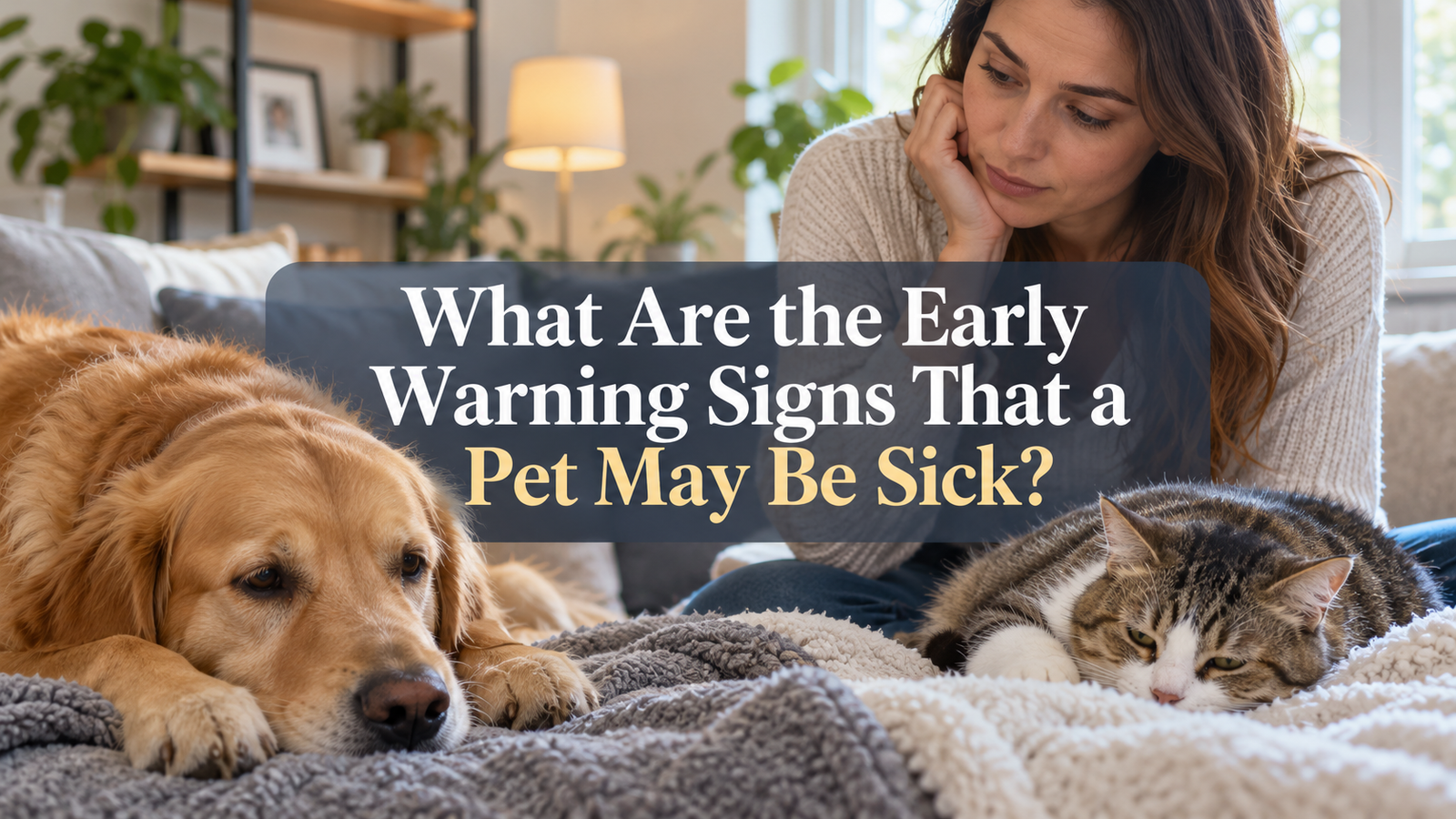
Pets are wonderful companions that bring happiness, comfort, and love into our lives. Whether you have a playful dog, a friendly cat, or another small animal, keeping your pet healthy is an important responsibility. Animals depend on their owners for food, shelter, protection, and medical care. However, recognizing when a pet is feeling unwell is not always easy.
Unlike humans, pets cannot explain their pain or describe their symptoms. Some animals naturally hide signs of weakness, which can make health problems difficult to identify during their early stages. This is why understanding the early warning signs that a pet may be sick is essential for every responsible pet owner.
Small changes in eating habits, behavior, appearance, or energy levels can sometimes indicate an underlying health problem. Recognizing these changes early allows owners to seek veterinary advice before a condition becomes more serious.
In this article, we will explore the most common signs of illness in pets, why these symptoms occur, and how pet owners can protect their animals through careful observation and timely veterinary care.
1. Sudden Changes in Appetite
One of the earliest signs that a pet may be sick is a noticeable change in appetite. Healthy pets usually develop regular eating habits, and owners become familiar with how much food their animals normally consume.
If a dog suddenly refuses its favorite meal or a cat begins eating significantly less than usual, it may indicate discomfort or illness.
Loss of appetite can occur because of dental problems, digestive issues, infections, pain, or other medical conditions.
Some pets may also begin eating more than usual. An unusual increase in hunger, especially when accompanied by weight loss, can sometimes be associated with hormonal or metabolic disorders.
Pet owners should monitor their animals’ eating patterns carefully. If a pet repeatedly refuses food, shows additional symptoms, or suddenly changes its eating habits, veterinary advice is important. Cats that stop eating require particularly prompt attention because prolonged food refusal can lead to serious complications.
2. Unusual Tiredness and Lack of Energy
Pets naturally have different energy levels depending on their age, breed, personality, and daily activities. However, a sudden decrease in activity can be one of the most noticeable early signs of illness in pets.
A normally active dog may stop showing interest in walks, games, or outdoor activities. Similarly, a playful cat may spend more time sleeping and avoid activities it previously enjoyed.
Occasional tiredness after exercise is normal, but persistent weakness or unusual inactivity deserves attention.
Several health problems can cause low energy, including infections, pain, anemia, dehydration, and organ disorders.
Owners should compare their pet’s current behavior with its normal routine rather than assuming that extra sleeping is harmless.
If tiredness continues, becomes severe, or occurs alongside other symptoms, a veterinarian should examine the animal.
3. Vomiting or Diarrhea
Digestive problems are among the most common reasons pets become unwell. Vomiting and diarrhea can sometimes occur after dietary changes or eating something unsuitable.
However, these symptoms can also indicate infections, intestinal parasites, food intolerance, poisoning, or serious digestive conditions.
An isolated episode of vomiting does not always mean a pet has a severe illness, but repeated vomiting should never be ignored.
Diarrhea can also cause dehydration, particularly in puppies, kittens, older pets, and smaller animals.
Pet owners should pay attention to the frequency, appearance, and duration of digestive symptoms.
Blood in vomit or stool, repeated vomiting, severe weakness, or an inability to keep water down requires urgent veterinary attention.
Owners should avoid giving human medicines without professional guidance because many medications that are safe for people can be harmful to animals.
4. Changes in Drinking Habits
Water is essential for maintaining a pet’s normal body functions. Most healthy animals develop fairly consistent drinking habits, although their water needs vary with temperature, diet, exercise, and health.
A sudden increase or decrease in water consumption may indicate that something is wrong.
Excessive thirst can sometimes be associated with diabetes, kidney disease, hormonal disorders, or certain medications.
On the other hand, drinking much less than usual may contribute to dehydration or indicate that the pet is feeling unwell.
Owners should observe how frequently their pets visit the water bowl and whether their drinking patterns have changed.
Fresh, clean water should always be available.
If unusual thirst or reduced drinking continues, especially alongside changes in urination or appetite, a veterinary examination is recommended.
5. Frequent Urination or Difficulty Urinating
Changes in urination are important warning signs that pet owners should recognize.
A pet that suddenly urinates more frequently than usual may have an underlying medical problem. Increased urination can sometimes be associated with urinary infections, diabetes, kidney problems, or other conditions.
Some animals may begin having accidents indoors despite being properly trained.
Other pets may repeatedly attempt to urinate while producing very little urine.
Straining during urination, crying while using the litter box, or passing bloody urine can indicate urinary tract problems.
A pet that is unable to urinate needs emergency veterinary care. Urinary blockages can become life threatening, particularly in male cats.
Regularly observing your pet’s bathroom habits can help identify these problems before complications develop.
6. Unusual Coughing, Sneezing, or Breathing Problems
Respiratory symptoms are another important indicator of possible illness in dogs and cats.
Occasional sneezing may occur because of dust, strong smells, or environmental irritation. However, persistent coughing, frequent sneezing, nasal discharge, or noisy breathing may suggest a respiratory problem.
Possible causes include infections, allergies, airway irritation, heart conditions, and other illnesses.
A pet with respiratory symptoms may also become less active or lose interest in eating.
Owners should observe whether their pet is breathing comfortably while resting.
Rapid breathing, difficulty breathing, blue or pale gums, or open mouth breathing in cats can indicate a medical emergency.
Pets experiencing serious breathing difficulties should receive immediate veterinary attention rather than being monitored at home.
7. Changes in Coat and Skin Appearance
A pet’s skin and coat can provide useful information about its general health.
Healthy animals usually have skin and fur that are consistent with their breed, age, and normal grooming habits.
If a pet suddenly develops excessive hair loss, bald patches, dry skin, redness, or unusual itching, there may be an underlying problem.
Skin changes can occur because of fleas, mites, infections, allergies, nutritional imbalances, or hormonal disorders.
A dog that constantly scratches its ears or a cat that repeatedly licks one area of its body may be experiencing irritation or discomfort.
Owners should regularly examine their pets’ coats and skin for unusual changes.
Persistent itching, visible wounds, swelling, or signs of infection should be assessed by a veterinarian.
8. Bad Breath and Dental Problems
Many pet owners overlook oral health when checking for signs of illness.
However, a pet’s mouth can reveal important information about its health.
Persistent bad breath may indicate dental disease, particularly when accompanied by red gums, visible tartar, or difficulty chewing.
Pets with painful teeth may avoid hard food, chew only on one side of their mouth, or drop food while eating.
Some animals may also become less interested in playing with chew toys.
Dental problems can cause considerable discomfort and may worsen when left untreated.
Regular oral examinations and appropriate dental care help protect a pet’s teeth and gums.
If your pet develops severe bad breath, bleeding gums, facial swelling, or difficulty eating, arrange a veterinary examination.
9. Sudden Weight Loss or Weight Gain
Unexpected changes in body weight can be another early warning sign that a pet may be sick.
A dog or cat may lose weight because of digestive disorders, dental pain, parasites, diabetes, or other medical conditions.
Sometimes, a pet continues eating normally but still becomes noticeably thinner.
Unexplained weight gain can also occur because of reduced activity, excessive calorie intake, fluid accumulation, or hormonal conditions.
It is helpful to monitor your pet’s weight regularly rather than relying only on appearance.
A healthy weight supports mobility, energy, and overall wellbeing.
If your pet experiences unexplained weight changes, a veterinarian can help identify the cause and recommend appropriate treatment.
10. Unusual Behavior or Personality Changes
Changes in behavior are often among the first signs that something is wrong with a pet.
A friendly dog may suddenly become aggressive, while an affectionate cat may start hiding under furniture or avoiding human contact.
Some pets become unusually restless, while others appear nervous or uncomfortable.
These changes can occur because of pain, illness, stress, or environmental disturbances.
For example, a pet experiencing joint pain may become irritated when someone touches a sensitive area.
Owners should never assume that sudden behavioral changes are simply bad habits.
Understanding your pet’s usual personality makes it easier to recognize unusual behavior and seek help when necessary.
11. Eye and Ear Problems
Healthy eyes and ears are important for a pet’s comfort and quality of life.
Redness, swelling, excessive tearing, or unusual discharge from the eyes may indicate irritation, infection, or another medical problem.
Pets may also squint, rub their faces, or keep one eye partially closed.
Ear problems can cause frequent head shaking, scratching, unpleasant odors, or visible discharge.
Dogs with floppy ears may be particularly vulnerable to certain ear conditions, although any pet can develop an infection.
Pet owners should inspect their animals’ eyes and ears regularly.
Painful or abnormal eyes require prompt veterinary assessment because some eye conditions can damage vision quickly.
12. Difficulty Walking or Moving
Changes in movement can indicate pain, injury, or illness.
A pet that suddenly begins limping, walking slowly, or avoiding stairs may be experiencing discomfort.
Older animals sometimes develop arthritis, while younger pets may experience injuries during play.
However, mobility problems can also be associated with neurological conditions or other serious health concerns.
Owners should watch for stiffness, difficulty standing, unusual posture, or reluctance to jump.
Sudden inability to walk, dragging the legs, or severe pain requires urgent veterinary care.
Early evaluation can help identify the cause and improve the chances of successful treatment.
When Should You Take Your Pet to the Veterinarian?
Recognizing the early warning signs that a pet may be sick is only the first step. Knowing when to seek medical attention is equally important.
Mild symptoms may sometimes resolve, but persistent or worsening changes should be discussed with a veterinarian.
Certain symptoms require immediate attention, including difficulty breathing, collapse, seizures, inability to urinate, repeated unsuccessful attempts to vomit, severe abdominal swelling, or suspected poisoning.
Pets with repeated vomiting, bloody diarrhea, or serious weakness also need urgent assessment.
Cats that refuse food should receive prompt veterinary advice rather than being left without treatment.
Veterinary professionals can examine your pet, identify possible causes, and recommend appropriate care.
How Can Pet Owners Monitor Their Pet’s Health at Home?
Regular observation is one of the simplest ways to protect an animal’s health.
Owners should become familiar with their pet’s eating habits, water consumption, bathroom routine, activity level, and normal behavior.
Spending a few minutes observing your pet each day can make unusual changes easier to recognize.
Regular grooming also provides an opportunity to inspect the skin, coat, ears, and body for abnormalities.
Keeping a simple record of weight changes, symptoms, and veterinary visits can be helpful.
A balanced diet, fresh water, appropriate exercise, vaccinations, parasite prevention, and routine veterinary examinations all contribute to long term wellbeing.
Home monitoring is useful, but it should never replace professional veterinary care when an animal appears unwell.
Conclusion
Understanding the early warning signs that a pet may be sick is an important part of responsible pet ownership.
Changes in appetite, energy, drinking habits, urination, digestion, breathing, weight, appearance, and behavior can all provide valuable clues about an animal’s health.
Some symptoms may have simple explanations, while others can indicate serious medical conditions.
The most important habit is to observe your pet regularly and recognize when something seems different from normal.
Early veterinary attention can prevent unnecessary suffering and help animals receive appropriate treatment.
By combining daily observation, preventive care, proper nutrition, and professional medical guidance, pet owners can give their companions a better chance of enjoying a healthy, comfortable, and happy life.
A healthy pet is not simply one that eats and plays. It is an animal whose physical condition, behavior, and everyday habits are carefully understood by the people who care for it.