
Keeping a cat healthy involves more than providing nutritious food, clean water, and a comfortable place to sleep. Dental care is another important part of maintaining a cat’s overall health. Many pet owners pay attention to their cat’s coat, weight, and behavior but overlook the condition of their teeth and gums. Unfortunately, poor dental hygiene can gradually lead to plaque buildup, tartar formation, gum inflammation, and painful dental diseases.
Learning how to prevent dental plaque and tartar in cats can help pet owners protect their cats from unnecessary discomfort. Healthy teeth allow cats to eat comfortably, groom themselves, and enjoy their daily activities.
The good news is that preventing dental problems does not always require complicated procedures. Regular brushing, suitable dental products, veterinary examinations, and consistent care can make a meaningful difference.
This guide explains the causes of dental plaque and tartar in cats, practical prevention methods, and the importance of maintaining good oral hygiene throughout a cat’s life.
What Is Dental Plaque in Cats?
Dental plaque is a soft, sticky layer that forms on the surface of a cat’s teeth. It contains bacteria, saliva components, and food particles that naturally accumulate inside the mouth.
Plaque begins forming shortly after teeth are cleaned. If it is not removed regularly, bacteria continue to multiply, increasing the risk of gum irritation and dental disease.
Plaque commonly collects around the gumline, between teeth, and on surfaces that are difficult to clean.
In its early stages, plaque may not be easily visible. However, it can gradually contribute to bad breath, redness, and inflammation around the gums.
Regular dental cleaning is important because soft plaque can often be removed before it becomes hardened tartar.
What Is Tartar and How Does It Develop?
Tartar, also called dental calculus, develops when plaque absorbs minerals from saliva and hardens on the teeth.
Unlike soft plaque, tartar cannot usually be removed effectively with ordinary brushing.
It often appears as yellow, brown, or darker deposits near the gumline. As tartar accumulates, it creates rough surfaces where additional plaque can collect.
This buildup may contribute to gum inflammation and periodontal disease.
The main difference between plaque and tartar is that plaque is soft and removable through regular cleaning, while tartar is hardened and generally requires professional veterinary removal.
Understanding this difference helps pet owners recognize why prevention is more effective than waiting until visible deposits appear.
Why Is Dental Hygiene Important for Cats?
Cats depend on healthy teeth and gums for comfortable eating and normal daily activities.
When dental plaque accumulates, bacteria can irritate the gum tissue and cause gingivitis. This condition may produce redness, swelling, and occasional bleeding.
If inflammation progresses, the tissues supporting the teeth can become damaged, resulting in periodontal disease.
Advanced dental problems may cause loose teeth, infections, and significant pain.
Cats are particularly good at hiding discomfort. A cat experiencing dental pain may continue eating despite having serious oral problems.
Regular dental care helps reduce plaque accumulation and allows owners to recognize changes before conditions become more severe.
Dental hygiene is therefore an important part of preventive veterinary care.
1. Brush Your Cat’s Teeth Regularly
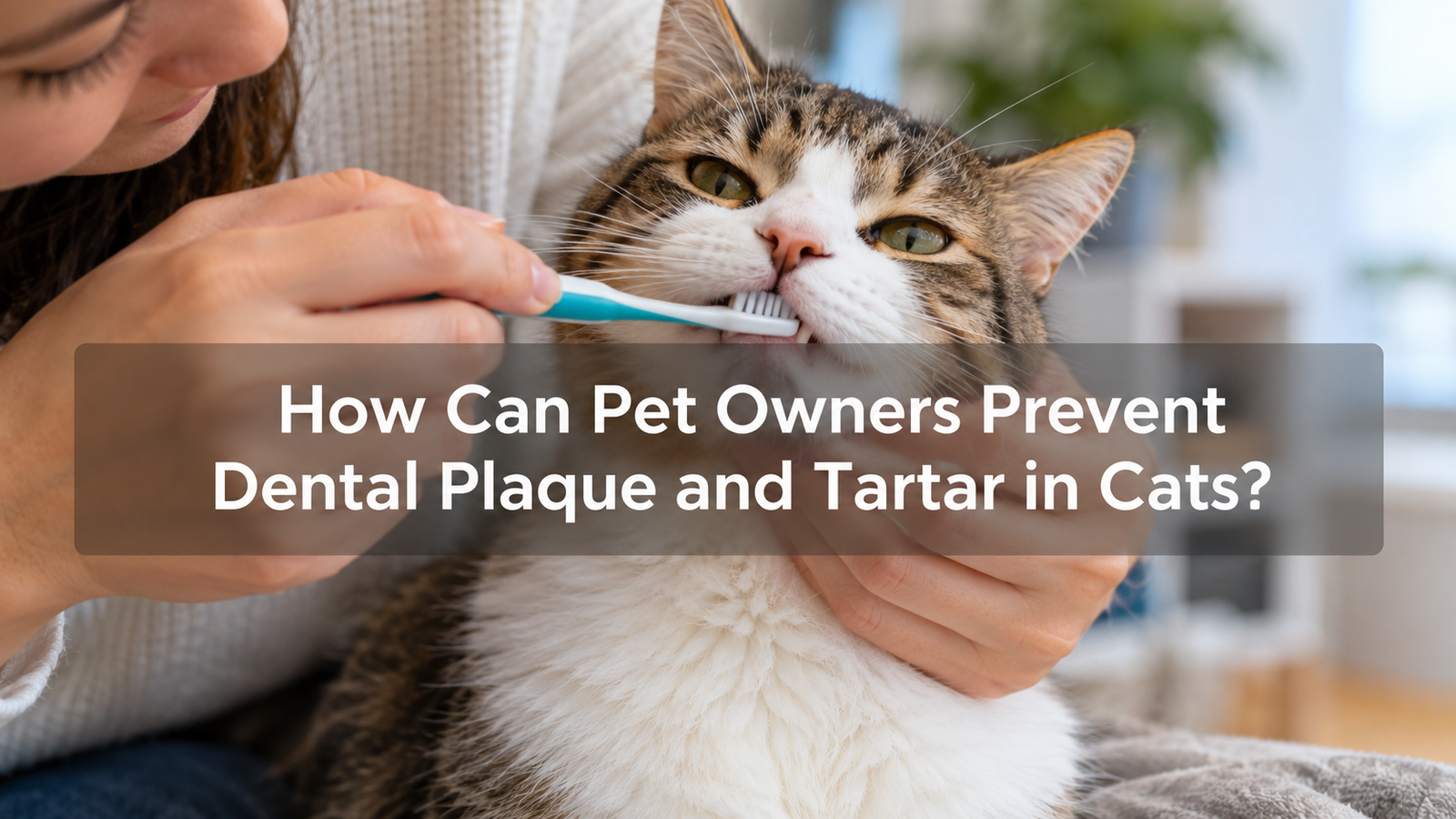
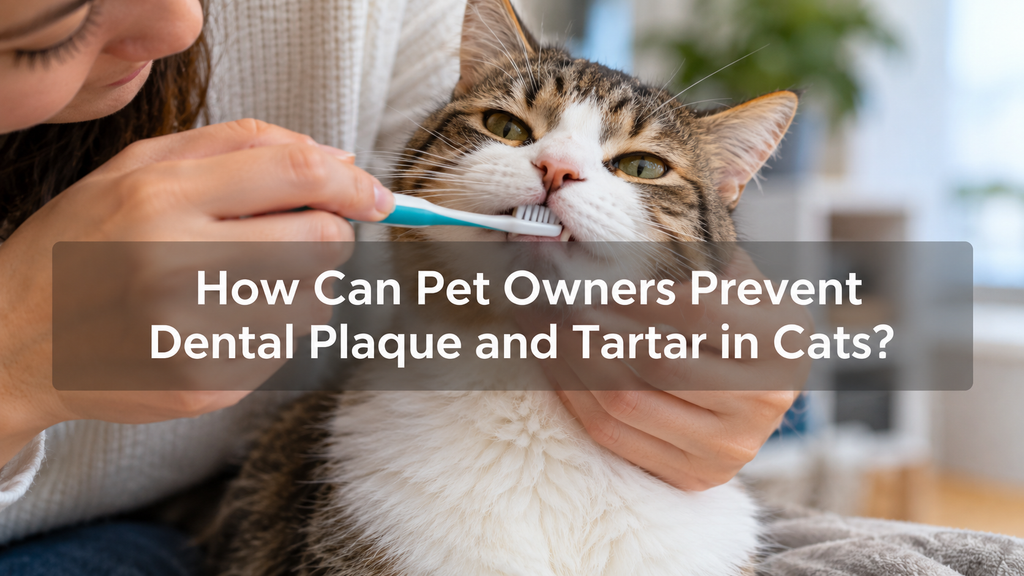
Toothbrushing is one of the most effective ways to prevent dental plaque and tartar in cats.
Brushing physically removes soft plaque before it hardens into tartar.
For the best results, pet owners should aim to brush their cat’s teeth daily.
A small toothbrush designed for cats or a suitable soft toothbrush can make cleaning easier.
Always use toothpaste specifically formulated for cats.
Human toothpaste should never be used because it may contain ingredients that are unsafe for pets if swallowed.
How to Introduce Toothbrushing
Cats may initially resist having their mouths touched. A gradual introduction can help make the process less stressful.
Begin by allowing your cat to smell and taste a small amount of cat toothpaste.
Next, gently touch the outside of the lips and gums while offering reassurance.
Once your cat becomes comfortable, introduce the toothbrush and clean a few teeth at a time.
Focus mainly on the outer surfaces of the teeth, especially around the gumline, where plaque commonly accumulates.
Use gentle movements and avoid applying excessive pressure.
Reward your cat afterward with praise, playtime, or a suitable treat.
Short, positive sessions are generally more successful than forcing a cat to tolerate lengthy cleaning.
If your cat shows signs of pain or strong resistance, stop and seek veterinary guidance.
2. Start Dental Care at an Early Age
Introducing dental hygiene during kittenhood can make future toothbrushing easier.
Young cats often become accustomed to handling when experiences are gentle and consistent.
Pet owners can begin by regularly touching their kitten’s cheeks and lips.
As the kitten becomes comfortable, they can gradually introduce a suitable toothbrush.
The objective is to build trust rather than achieve perfect cleaning immediately.
Early experiences should remain positive so that the kitten does not associate dental care with fear.
However, adult and senior cats can also learn to accept toothbrushing.
Older cats may simply require more patience and a slower introduction.
Before starting brushing in a cat with suspected dental disease, a veterinary examination is advisable.
3. Choose Appropriate Dental Products
Several dental products are available to support oral hygiene in cats.
These include specially formulated dental treats, dental diets, oral gels, and certain water additives.
Not every product provides the same level of effectiveness.
When choosing a dental product, look for reliable veterinary recommendations and evidence supporting its ability to reduce plaque or tartar.
Products accepted by the Veterinary Oral Health Council, commonly known as VOHC, are useful options because they have met specified standards for plaque or tartar control.
Dental products should complement regular toothbrushing rather than replace it completely.
It is also important to follow the manufacturer’s instructions and choose products appropriate for the cat’s age and health.
4. Consider Dental Diets for Cats
Some specially formulated cat foods are designed to support dental health.
These diets may contain kibble with a particular size, texture, or fiber structure that helps clean tooth surfaces during chewing.
Certain formulations also contain ingredients that reduce tartar formation.
However, ordinary dry cat food should not automatically be considered a dental cleaning solution.
Many cats swallow pieces of dry food without chewing them thoroughly.
As a result, standard kibble does not necessarily provide meaningful dental cleaning.
A veterinary recommended dental diet with demonstrated benefits may be more useful.
Pet owners should also consider their cat’s nutritional needs before changing food.
Cats with kidney disease, urinary problems, food allergies, or other medical conditions may require specialized diets.
Any major dietary change should be discussed with a veterinarian.
5. Schedule Regular Veterinary Dental Examinations
Professional veterinary examinations are essential for maintaining healthy teeth and gums.
Even cats that receive regular home dental care can develop problems that owners may not notice.
During a routine examination, a veterinarian can inspect the mouth for plaque, tartar, gum inflammation, damaged teeth, and other abnormalities.
Veterinarians may recommend professional dental cleaning when necessary.
A complete professional cleaning usually involves anesthesia, allowing thorough examination and cleaning both above and below the gumline.
Dental X rays may also be recommended because certain dental problems develop beneath the visible surface.
Professional cleaning removes hardened tartar that brushing cannot eliminate.
Many cats benefit from at least an annual veterinary examination, while cats with dental problems may need more frequent assessments.
6. Recognize the Early Signs of Dental Problems
Understanding the warning signs of dental disease allows pet owners to seek appropriate treatment.
Some symptoms may appear gradually, making them easy to overlook.
Common warning signs include:
- Persistent unpleasant breath.
- Yellow or brown deposits on the teeth.
- Red, swollen, or bleeding gums.
- Difficulty chewing food.
- Dropping food while eating.
- Excessive drooling.
- Pawing at the mouth.
- Reduced appetite or unusual eating behavior.
- Avoiding hard food or chewing on one side.
- Loose, broken, or visibly damaged teeth.
Some cats may also become less playful or unusually withdrawn when experiencing dental discomfort.
These symptoms can indicate several different oral conditions, not just plaque or tartar.
A veterinary examination is important whenever dental pain or disease is suspected.
7. Avoid Unsafe Home Dental Cleaning Methods
Some pet owners attempt to remove hardened tartar using household tools or sharp objects.
This approach can be dangerous.
Scraping a cat’s teeth without professional training may damage tooth enamel, injure the gums, or cause considerable pain.
There is also a risk of breaking teeth or frightening the cat.
Household substances such as baking soda, hydrogen peroxide, and human mouthwash should not be used as homemade dental treatments.
Certain ingredients may irritate oral tissues or cause harm if swallowed.
Natural products are not automatically safe for cats.
Pet owners should use only veterinary approved oral hygiene products and avoid attempting professional dental procedures at home.
When tartar has already hardened, veterinary cleaning is generally the appropriate solution.
8. Use Dental Treats Carefully
Dental treats can be a convenient addition to a cat’s oral hygiene routine.
Some are designed with textures or ingredients that help reduce plaque accumulation or tartar formation.
However, effectiveness varies between products.
Choose dental treats with demonstrated oral health benefits, ideally supported by veterinary dental standards.
Treats should also be suitable for the cat’s size and chewing ability.
Avoid products that are excessively hard because they may contribute to tooth damage.
Dental treats contain calories, so excessive feeding can lead to unwanted weight gain.
They should form only a small part of the cat’s daily calorie intake.
Dental treats can support oral hygiene, but they should not be treated as a replacement for brushing and professional dental care.
9. Understand the Role of Water in Oral Health
Fresh drinking water is essential for a cat’s overall health.
Proper hydration supports normal body functions, including saliva production.
Saliva helps maintain the natural environment of the mouth, although drinking water alone does not effectively remove dental plaque.
Some pet owners use dental water additives formulated specifically for cats.
Certain products may help reduce bacterial activity or plaque formation.
However, additives should only be used according to veterinary recommendations and product instructions.
Cats can be sensitive to changes in the taste or smell of their drinking water.
If a dental additive causes a cat to drink less, discontinue it and consult a veterinarian.
Maintaining normal water intake is more important than using an optional dental product.
10. Pay Special Attention to Senior Cats
Older cats may require additional dental attention.
Over time, repeated plaque accumulation can increase the likelihood of gum disease and tooth problems.
Senior cats may also experience tooth resorption, a painful dental condition that is particularly common in cats and is not simply caused by plaque buildup.
Regular veterinary examinations help identify these problems.
Pet owners should monitor changes in eating habits, grooming behavior, and body weight.
An older cat that suddenly prefers soft food may be experiencing dental discomfort.
However, soft food preferences can also result from other medical or behavioral factors.
A veterinarian can determine whether oral disease is responsible.
Age alone does not mean that dental cleaning or treatment should be avoided. Veterinary professionals assess each cat’s individual health before recommending procedures.
Can Dental Plaque and Tartar Be Completely Prevented?
Complete prevention is not always possible because plaque forms naturally inside the mouth.
Even healthy cats develop bacterial deposits on their teeth.
However, regular dental care can significantly reduce plaque accumulation and slow tartar formation.
Some cats are more susceptible to dental disease because of factors such as age, individual oral anatomy, genetics, and existing health conditions.
This means that two cats receiving similar care may develop different levels of dental problems.
Consistent home cleaning combined with veterinary supervision offers a practical approach to protecting oral health.
The goal is not to eliminate every trace of bacteria but to prevent harmful buildup and maintain healthy gums.
How Often Should Cats Receive Dental Cleaning?
The ideal dental cleaning schedule depends on the individual cat.
For routine home care, daily toothbrushing is generally recommended.
Professional dental cleaning is performed when indicated by a veterinary examination rather than according to one fixed schedule for every cat.
Some cats may require more frequent professional treatment because of recurring tartar buildup or gum disease.
Others may maintain good oral health for longer periods with effective home care.
A veterinarian can recommend the most appropriate schedule after examining the teeth and gums.
Common Mistakes Pet Owners Should Avoid
Many dental problems become worse because owners misunderstand the importance of oral hygiene.
One common mistake is assuming that cats do not require dental care because they are naturally clean animals.
Another is believing that eating dry food automatically removes dental plaque.
Some owners wait until tartar becomes clearly visible before taking action.
Unfortunately, gum inflammation can develop before severe deposits are noticeable.
Using human toothpaste, forcing toothbrushing, or relying entirely on dental treats can also create problems.
Regular observation, patience, and appropriate products are much more effective than occasional aggressive cleaning.
Frequently Asked Questions
Can cats develop tartar even if they eat dry food?
Yes. Cats can develop plaque and tartar regardless of whether they eat wet food, dry food, or a combination of both. Ordinary dry food does not reliably prevent dental disease.
Can dental tartar disappear naturally?
Hardened tartar generally does not disappear naturally. Professional veterinary cleaning is usually needed to remove it safely and thoroughly.
Is bad breath normal in cats?
A mild temporary odor may occur after eating, but persistent unpleasant breath is not something pet owners should ignore. It may indicate dental disease or another health problem.
Is brushing a cat’s teeth every day necessary?
Daily brushing provides the most consistent plaque control. When daily brushing is difficult, regular brushing is still beneficial, but veterinary guidance can help establish additional preventive measures.
Can indoor cats develop dental diseases?
Yes. Indoor cats are just as capable of developing plaque, tartar, gingivitis, and other oral diseases. Dental health depends on more than whether a cat lives indoors or outdoors.
Final Thoughts
Preventing dental plaque and tartar in cats is an important responsibility for every pet owner. Dental problems often develop gradually, and cats may hide discomfort until a condition becomes advanced.
Simple preventive habits can make a meaningful difference. Daily toothbrushing, suitable dental products, regular veterinary examinations, and early recognition of warning signs all contribute to better oral health.
Pet owners should remember that hardened tartar cannot usually be removed safely through home brushing alone. Professional veterinary treatment may be necessary when deposits or dental disease are already present.
By making dental hygiene a regular part of their cat’s care routine, owners can reduce the risk of painful oral conditions and support their pet’s comfort and well being.
Healthy teeth and gums are not just about preventing bad breath. They are an essential part of helping cats eat comfortably, stay active, and enjoy a healthier life.