
Keeping a dog healthy involves much more than providing nutritious food, regular exercise, and a comfortable place to sleep. Dental care is another important part of responsible pet ownership that many people overlook. Just like humans, dogs can develop plaque, tartar, gum inflammation, and other oral health problems when their teeth are not properly maintained.
Healthy teeth and gums help dogs eat comfortably, enjoy their favorite toys, and maintain a good quality of life. Poor dental hygiene can cause discomfort, bad breath, loose teeth, and serious infections. The good news is that many dental problems can be prevented or managed through regular home care and professional veterinary attention.
Understanding the best ways to maintain healthy teeth and gums in dogs allows pet owners to develop simple habits that protect their pets throughout their lives.
Why Is Dental Health Important for Dogs?
Dental health plays an important role in a dog’s overall well being. A dog’s mouth contains bacteria that naturally form a sticky substance called plaque on the teeth. If plaque is not removed regularly, it can harden into tartar.
Tartar creates a rough surface where more plaque can accumulate. Over time, bacteria near the gumline may cause inflammation and damage the tissues supporting the teeth.
This condition is known as periodontal disease, and it is one of the most common dental problems affecting adult dogs.
Dental disease can lead to several complications, including painful gums, difficulty chewing, tooth loss, and infections.
Because dogs cannot explain when their teeth hurt, owners must pay attention to their behavior and maintain preventive dental care.
1. Brush Your Dog’s Teeth Regularly
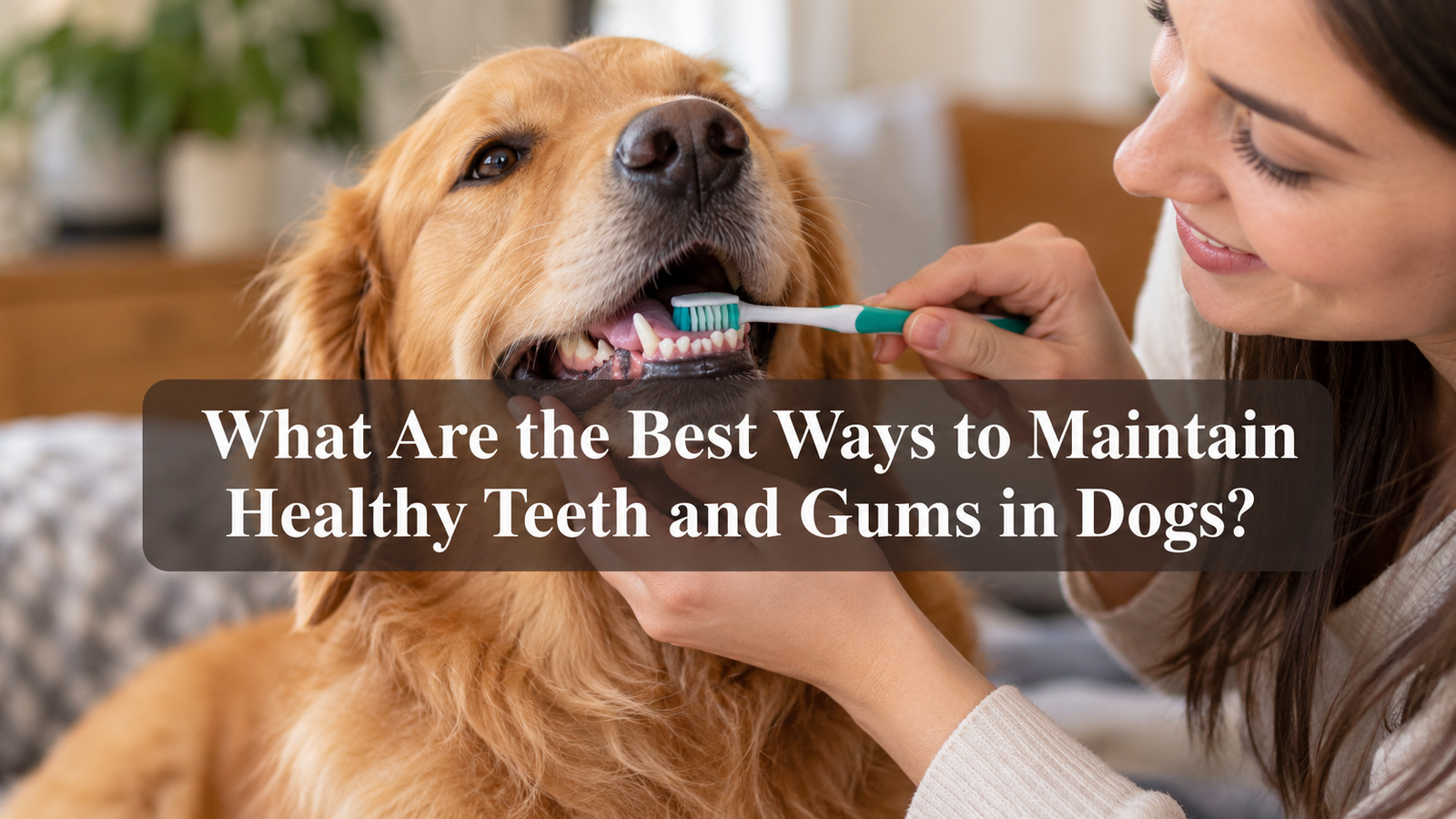
Regular toothbrushing is one of the most effective ways to maintain healthy teeth and gums in dogs.
Brushing removes plaque before it hardens into tartar. Ideally, dogs should have their teeth brushed every day, although brushing several times per week is still beneficial.
Always use toothpaste specifically designed for dogs. Human toothpaste is unsuitable because some ingredients, including fluoride and xylitol, can be harmful when swallowed by pets.
A soft toothbrush designed for dogs is usually the best choice. Finger brushes may also work for dogs that are comfortable with them.
How to Brush Your Dog’s Teeth
Start by allowing your dog to smell and taste a small amount of pet toothpaste.
Gently lift the upper lip and introduce the toothbrush without applying pressure.
Brush the outer surfaces of the teeth using small, gentle movements, paying particular attention to the gumline.
Begin with short sessions and gradually increase the brushing time as your dog becomes comfortable.
Reward your dog with praise or a suitable treat after each session.
Patience is important because some dogs need several days or weeks to accept toothbrushing.
If your dog shows signs of pain or strong resistance, stop and ask your veterinarian for guidance.
2. Choose Dental Chews That Support Oral Hygiene
Dental chews can be a helpful addition to a dog’s oral care routine.
Certain dental chews are designed to reduce plaque and tartar through mechanical cleaning as the dog chews.
Chewing may also encourage saliva production, which helps wash away food particles.
However, not all dental treats provide the same benefits.
Choose products specifically developed for canine dental health. Products carrying the Veterinary Oral Health Council acceptance seal are useful options because they have met established standards for plaque or tartar control.
Always select an appropriate chew size based on your dog’s weight and chewing habits.
Avoid extremely hard objects, such as antlers, bones, and hard hooves, because they can fracture teeth.
Supervise your dog while chewing to reduce the risk of choking or swallowing large pieces.
Dental chews should complement regular brushing rather than replace it.
3. Schedule Regular Veterinary Dental Checkups
Professional veterinary examinations are essential for maintaining healthy teeth and gums in dogs.
During a routine checkup, a veterinarian can inspect the mouth for plaque, tartar, gum inflammation, broken teeth, and other abnormalities.
Some dental problems develop below the gumline, where they cannot be identified through a simple visual examination.
Veterinarians may recommend a professional dental cleaning when necessary.
A complete veterinary dental procedure generally involves anesthesia, cleaning above and below the gumline, polishing the teeth, and evaluating the condition of the mouth. Dental X-rays may also be recommended.
Anesthesia allows the veterinary team to clean thoroughly and examine areas that would otherwise be difficult to access.
The frequency of dental examinations depends on the dog’s age, breed, dental condition, and medical history.
Most dogs benefit from an oral examination during their regular wellness visits, while dogs with existing dental problems may require more frequent monitoring.
4. Provide a Balanced and Nutritious Diet
Good nutrition supports healthy teeth, gums, and other body tissues.
A balanced diet provides essential nutrients that contribute to normal tissue maintenance and immune function.
Protein supports tissue repair, while vitamins and minerals help maintain normal body functions.
Calcium and phosphorus are particularly important during tooth development and for maintaining healthy bones.
Some specially formulated dental diets are designed to help reduce plaque or tartar accumulation.
These foods may use a particular kibble texture or structure to encourage mechanical cleaning during chewing.
However, ordinary dry dog food should not be considered a substitute for brushing.
Dogs can develop dental disease regardless of whether they eat wet or dry food.
Pet owners should select a complete and balanced diet appropriate for their dog’s age, size, and individual health requirements.
A veterinarian can recommend a suitable dental diet when additional oral care support is needed.
5. Recognize the Early Signs of Dental Problems
One of the best ways to protect a dog’s dental health is to recognize problems before they become serious.
Dogs often continue eating and playing even when experiencing dental discomfort.
This makes regular observation especially important.
Common Signs of Dental Disease in Dogs
Persistent bad breath: Strong or unpleasant breath may indicate plaque buildup, gum disease, or another oral health problem.
Red or swollen gums: Healthy gums are generally firm and free from obvious inflammation. Redness or swelling may suggest gingivitis.
Yellow or brown deposits: Hardened tartar often appears as yellow or brown material on the tooth surface, particularly near the gums.
Difficulty chewing: Dogs experiencing dental pain may chew on one side of their mouth or avoid hard food.
Excessive drooling: Increased saliva production can sometimes occur with oral irritation or dental disease.
Bleeding gums: Bleeding during eating or chewing may indicate inflammation or injury.
Loose or broken teeth: These problems require veterinary assessment because they can cause considerable discomfort.
If these symptoms appear, arrange a veterinary appointment rather than attempting to treat the problem with home remedies.
6. Introduce Dental Care During Puppyhood
Developing healthy dental habits during puppyhood can make oral care easier throughout a dog’s life.
Puppies are naturally curious and can gradually become familiar with having their mouths handled.
Begin by gently touching the outside of the muzzle and lifting the lips for a few seconds.
When the puppy remains relaxed, provide praise and a small reward.
Gradually introduce a soft toothbrush and dog toothpaste.
Keep sessions short and positive.
During the teething stage, puppies may have sensitive gums as their adult teeth develop.
Avoid forcing brushing when the mouth appears uncomfortable.
Most puppies develop their permanent teeth by approximately six to seven months of age.
Regular veterinary examinations during this period help identify retained baby teeth, abnormal tooth positioning, and other developmental concerns.
Teaching puppies to accept mouth handling can make future dental examinations and brushing much easier.
7. Select Safe Toys for Dental Health
Dogs enjoy chewing because it provides entertainment and satisfies natural behavior.
Choosing appropriate toys can support oral hygiene while protecting the teeth from unnecessary damage.
Rubber chew toys designed for dogs are often suitable when selected according to the animal’s size and chewing strength.
Some toys have textured surfaces that may help remove small amounts of plaque during chewing.
However, toys should not be considered a replacement for toothbrushing.
Avoid toys that are excessively hard or small enough to swallow.
A useful general rule is to avoid chewing objects that cannot bend slightly or be indented with a fingernail, although this is not a guarantee of safety.
Inspect toys regularly for damage and replace them when pieces begin breaking off.
Providing safe chewing opportunities helps satisfy natural behavior without exposing dogs to unnecessary dental risks.
8. Make Clean Drinking Water Available
Fresh drinking water is important for a dog’s general health and normal saliva production.
Saliva naturally helps lubricate the mouth and move food particles away from the teeth.
Although drinking water does not remove hardened tartar or replace brushing, adequate hydration supports normal oral function.
Provide clean water throughout the day and wash drinking bowls regularly.
Food residue and other contaminants can accumulate in bowls that are not cleaned properly.
Some veterinary dental water additives are designed to reduce oral bacteria or plaque.
However, owners should choose products specifically intended for dogs and follow the manufacturer’s instructions.
It is also important to ensure that additives do not discourage the dog from drinking.
Ask a veterinarian before introducing a dental water additive, particularly if your dog has a medical condition.
9. Pay Extra Attention to Small Dog Breeds
Small dog breeds often require additional dental care because they can be more susceptible to periodontal disease.
Their smaller jaws may create crowded tooth arrangements, making it easier for plaque to collect in difficult areas.
Breeds such as Chihuahuas, Yorkshire Terriers, Pomeranians, and Toy Poodles commonly experience dental problems.
Small dogs may develop significant dental disease at relatively young ages.
Daily brushing is particularly valuable for these pets.
Veterinarians may recommend more frequent oral examinations or professional cleanings depending on individual dental conditions.
However, large dogs also develop dental disease and require consistent preventive care.
Every dog deserves an oral health routine suited to its needs.
10. Avoid Unsafe Home Dental Remedies
Pet owners sometimes use homemade treatments to remove stains, freshen breath, or clean their dog’s teeth.
Unfortunately, several common household products are unsuitable for canine oral care.
Human toothpaste, baking soda mixtures, essential oils, and harsh cleaning substances should not be used as substitutes for veterinary dental products.
Some ingredients may irritate the mouth or become harmful when swallowed.
Owners should also avoid scraping tartar from their dog’s teeth using household tools.
Improper scraping can damage the enamel, injure the gums, and leave untreated disease beneath the gumline.
Professional dental cleaning is the safest approach when substantial tartar has accumulated.
For everyday prevention, use dog toothpaste, suitable brushes, and veterinary recommended dental products.
11. Maintain a Consistent Dental Care Routine
Consistency is one of the most important parts of maintaining healthy teeth and gums in dogs.
A simple routine is often more effective than occasional intensive cleaning.
Choose a convenient time each day for brushing, such as after an evening walk.
Keep the toothbrush and toothpaste in an easily accessible place.
Use positive reinforcement so your dog associates dental care with a pleasant experience.
Inspect the mouth regularly for changes in gum color, unusual growths, damaged teeth, or unpleasant odors.
Dental chews or approved oral health products can provide additional support when appropriate.
Professional veterinary care remains important even when the dog’s teeth appear clean.
A combination of daily care and regular examinations offers the best opportunity to prevent serious dental problems.
12. Understand the Importance of Dental Care for Senior Dogs
Older dogs may face additional dental challenges because plaque, tartar, and periodontal damage can accumulate over time.
Senior dogs may also have worn teeth, previous dental injuries, or other medical conditions that influence their oral health.
Dental discomfort can make eating difficult and may affect a dog’s normal activity and behavior.
Pet owners should monitor older dogs for changes in chewing habits, appetite, and willingness to play with toys.
Softening food may sometimes make eating more comfortable, but persistent chewing difficulty requires a veterinary examination.
Professional dental treatment can still be appropriate for many senior dogs.
Age alone does not automatically prevent a dog from receiving dental care under anesthesia.
Veterinarians evaluate the animal’s overall health and individual risks before recommending treatment.
Regular oral care can help senior dogs remain comfortable and maintain a better quality of life.
Frequently Asked Questions About Dog Dental Health
How Often Should I Brush My Dog’s Teeth?
Daily brushing is recommended because plaque begins forming again soon after cleaning. If daily brushing is difficult, several sessions each week are better than none. Use only toothpaste and toothbrushes intended for dogs.
Can Dogs Develop Cavities Like Humans?
Yes, dogs can develop cavities, although they are less common than periodontal disease. Dogs are more frequently affected by plaque accumulation, tartar, gum inflammation, fractured teeth, and infections.
Does Bad Breath Always Mean a Dog Has Dental Disease?
Not always. Temporary breath changes may occur after eating certain foods. However, persistent unpleasant breath can indicate dental disease or another medical problem and should be assessed by a veterinarian.
Can Dental Chews Replace Toothbrushing?
No. Dental chews may help control plaque and tartar, but they cannot consistently clean every tooth surface or the gumline. Regular brushing remains an important part of home dental care.
What Is the Best Age to Start Brushing a Dog’s Teeth?
Dental care can begin during puppyhood through gentle mouth handling and gradual brushing practice. Adult dogs can also learn to accept toothbrushing when introduced slowly and positively.
Conclusion
Maintaining healthy teeth and gums in dogs is an essential part of responsible pet ownership. Regular toothbrushing, appropriate dental chews, balanced nutrition, safe toys, and professional veterinary examinations all contribute to better oral health.
Pet owners should also recognize early warning signs such as persistent bad breath, swollen gums, tartar buildup, and difficulty chewing. Addressing these problems promptly can prevent unnecessary pain and more serious dental complications.
The most effective approach is to establish a consistent dental care routine from an early age and continue it throughout the dog’s life.
Healthy teeth and gums help dogs eat comfortably, avoid preventable dental pain, and enjoy a happier, healthier life. Small daily efforts can make a meaningful difference in protecting a dog’s oral health for years to come.