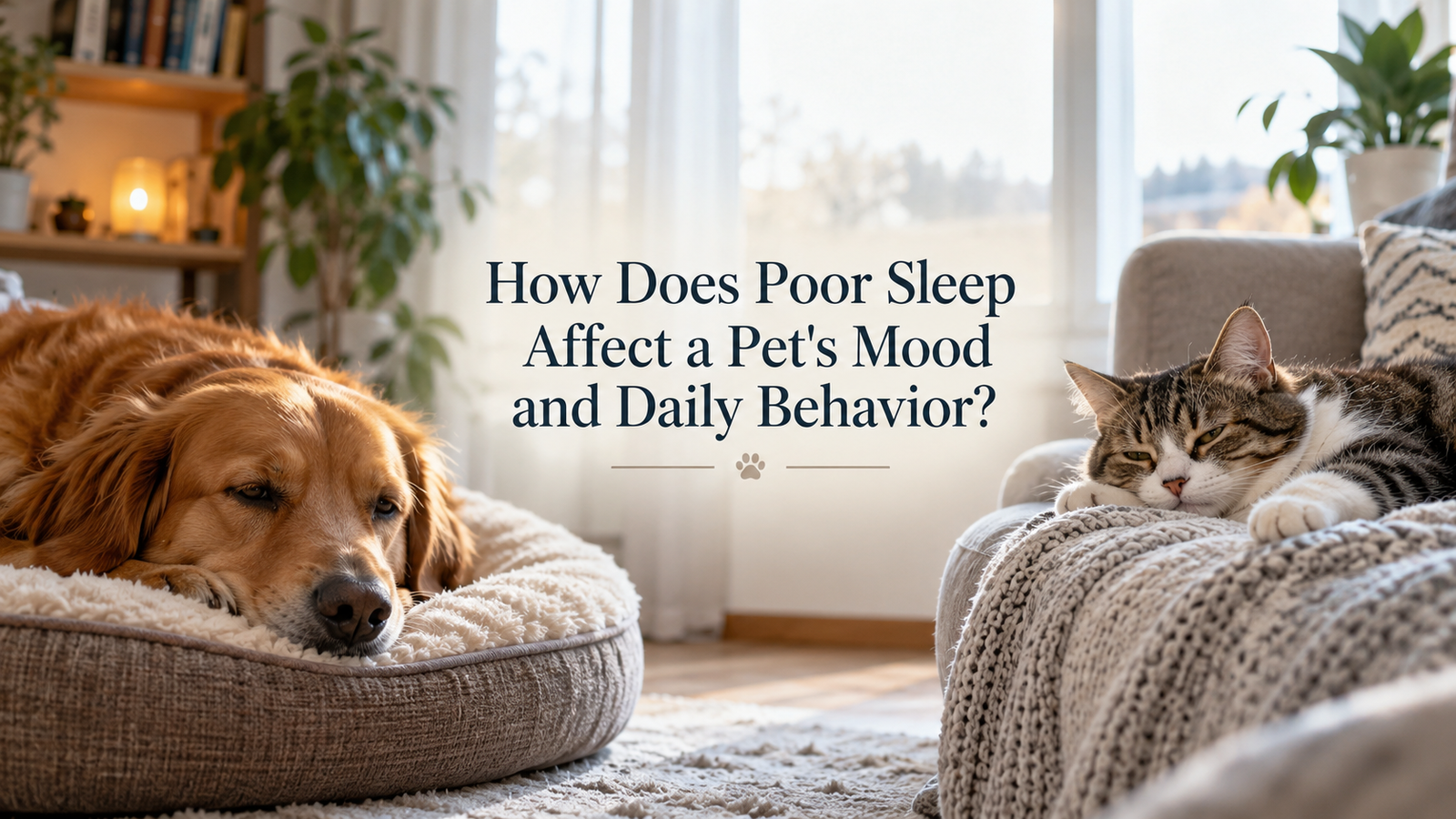
Sleep is one of the most important parts of a pet’s daily life. Just like humans, animals need proper rest to maintain their physical health, emotional balance, and normal behavior. A pet that sleeps well usually has enough energy to play, interact with family members, and enjoy everyday activities. However, poor sleep can affect a pet’s mood, concentration, appetite, and overall quality of life.
Many pet owners focus on providing nutritious food, clean drinking water, and regular exercise. Although these things are essential, healthy sleeping habits deserve equal attention. Dogs and cats spend a significant portion of their lives sleeping because their bodies and brains need time to recover from daily activities.
Understanding how poor sleep affects pets can help owners recognize unusual behavior and create a comfortable environment that supports better rest.
Why Is Proper Sleep Important for Pets?
Sleep allows an animal’s body to recover, conserve energy, and maintain normal biological functions. During sleep, the brain processes information, the body supports tissue repair, and important systems continue working to maintain health.
Healthy sleep is particularly important for young animals because their bodies are still growing. Puppies and kittens generally need more sleep than healthy adult pets. Older animals may also spend longer periods resting because their energy levels and physical needs change with age.
Sleep also supports normal learning and memory. A well rested dog may respond more effectively to familiar commands, while a cat that receives enough rest may show greater interest in exploring and playing.
When pets repeatedly experience interrupted or insufficient sleep, changes in their behavior may gradually become noticeable.
1. Poor Sleep Can Make Pets Irritable
One of the most common effects of poor sleep on pet behavior is increased irritability.
A normally friendly dog may become less patient with other animals or family members after experiencing a restless night. Similarly, a cat that usually enjoys attention may become uncomfortable when someone tries to touch or hold it.
Irritability can appear in several ways. A pet may growl, hiss, move away from people, or react more strongly to ordinary sounds.
For example, a dog that normally welcomes visitors may suddenly become uncomfortable when guests approach its resting area.
This does not necessarily mean the animal has developed an aggressive personality. Poor sleep may reduce its ability to tolerate excitement, unexpected movements, and unwanted attention.
Owners should give tired pets enough personal space and avoid forcing interactions when an animal appears uncomfortable.
2. Lack of Sleep May Increase Anxiety and Stress
Another important connection between pet sleep and mood involves emotional stability.
Animals depend on regular routines and comfortable surroundings to feel secure. When their sleep is repeatedly interrupted, some pets become more sensitive to stressful situations.
A dog experiencing poor sleep may become unusually restless or show increased concern when separated from its owner. Cats may hide more frequently or react strongly to changes in their surroundings.
Common signs of stress may include excessive vocalization, pacing, increased alertness, and difficulty settling down.
However, these behaviors can also result from pain, fear, illness, or environmental changes. Poor sleep should be considered one possible contributing factor rather than the automatic explanation.
Providing a peaceful sleeping environment and maintaining predictable daily activities may help reduce unnecessary stress.
3. Poor Sleep Can Reduce Daily Energy Levels
Healthy pets need sufficient energy for walking, playing, eating, grooming, and interacting with their surroundings.
When an animal does not receive adequate rest, its daily energy levels may decline.
A dog that normally enjoys morning walks may show less enthusiasm for outdoor activities. A cat that regularly chases toys may spend more time sitting quietly or avoiding play.
Some pets may become sluggish and appear less interested in their favorite activities.
It is important to understand that tiredness is not always caused by insufficient sleep. Medical conditions, dehydration, nutritional problems, and pain can also contribute to low energy.
If a pet suddenly becomes extremely weak, unusually sleepy, or difficult to wake, veterinary attention is necessary.
Regular sleep and a balanced daily routine can help maintain normal energy levels in otherwise healthy animals.
4. Sleep Problems May Affect a Pet’s Ability to Learn
Learning is an important part of an animal’s daily life.
Dogs learn commands, develop social skills, and remember household routines. Cats also learn through observation, exploration, and repeated experiences.
Sleep supports the brain’s ability to process and retain information.
When pets do not sleep properly, they may have more difficulty concentrating during training sessions.
For example, a tired puppy may become distracted while learning simple instructions such as sit or stay. An exhausted dog might respond more slowly to familiar commands.
This does not mean the pet has forgotten everything it learned. Fatigue can temporarily interfere with attention and motivation.
Owners should schedule training sessions when their pets are alert and comfortable.
Short, enjoyable training activities combined with sufficient rest are generally more effective than demanding practice when an animal is tired.
5. Poor Sleep May Cause Unusual Restlessness
Not every sleep deprived pet becomes quiet or inactive.
Some animals may appear unusually restless when they have not received enough sleep.
A tired puppy might run around the house, jump repeatedly, or struggle to settle down. This behavior can sometimes be mistaken for excessive energy.
In reality, overtired animals may have difficulty controlling their excitement.
Cats may also become more active during inconvenient hours if their normal sleeping patterns are disturbed.
Restlessness can include repeated movement, changing sleeping positions, or wandering between rooms.
Owners should observe whether the animal has a quiet and comfortable place to rest.
If restlessness continues despite suitable sleeping conditions, a veterinarian can help determine whether discomfort or another health problem is involved.
6. Insufficient Sleep Can Affect Social Behavior
Pets develop emotional connections with their owners and other animals.
Healthy social behavior depends partly on physical comfort, emotional stability, and the ability to respond appropriately to surrounding activities.
Poor sleep may influence how pets interact with others.
A tired dog may avoid playing with another dog or become less tolerant of rough interactions. A cat may stop seeking attention and prefer spending time alone.
Some animals may become unusually clingy, while others may withdraw from social activities.
These changes are not always directly related to sleep, but repeated disturbances in rest may contribute to them.
Owners should respect their pets’ natural sleeping periods and teach children not to disturb animals that are resting.
Giving pets control over when they interact can help maintain a more comfortable household environment.
7. Poor Sleep Can Influence Appetite and Eating Habits
Sleep and appetite are connected through several biological processes.
Disrupted sleep can influence hormones and other systems involved in hunger, energy regulation, and metabolism.
Some pets experiencing poor sleep may show changes in their usual eating patterns.
For example, a tired animal may seem less interested in food because it feels uncomfortable or stressed.
Other animals might continue eating normally despite experiencing insufficient rest.
It is important not to assume that appetite changes are caused by poor sleep.
Loss of appetite, excessive hunger, or changes in drinking habits may indicate an underlying medical condition.
A veterinarian should evaluate persistent appetite changes, particularly when they occur alongside vomiting, diarrhea, weight loss, or unusual tiredness.
8. Sleep Disturbances May Affect Physical Health
Poor sleep does not only influence a pet’s mood and behavior. Long term sleep disruption may also affect physical well being.
Sleep plays an important role in supporting immune function, recovery, and normal body regulation.
Repeated disturbances may interfere with the restorative processes that occur during rest.
For animals recovering from illness or physical activity, comfortable sleep can be particularly valuable.
However, scientists are still studying the full effects of chronic sleep deprivation in dogs and cats.
Pet owners should avoid making assumptions about specific diseases based only on sleeping patterns.
Instead, they should focus on providing regular rest and seeking veterinary guidance when sleep disturbances become frequent.
9. How Much Sleep Do Dogs and Cats Need?
Different pets have different sleeping requirements.
Age, breed, activity level, health, and individual habits can influence how much time an animal spends sleeping.
Adult dogs commonly sleep around 12 to 14 hours within a 24 hour period, although individual needs vary.
Puppies may require approximately 18 to 20 hours of sleep because their bodies are developing rapidly.
Adult cats often sleep around 12 to 16 hours daily, while kittens and some older cats may sleep longer.
These figures are general estimates rather than strict requirements.
Cats naturally alternate between periods of sleep and wakefulness throughout the day. Dogs may also take several naps instead of sleeping continuously.
The most important consideration is whether a pet appears comfortable, alert when awake, and able to maintain its usual activities.
10. Common Causes of Poor Sleep in Pets
Understanding the causes of poor sleep is essential for improving a pet’s sleeping habits.
Uncomfortable Sleeping Areas
A bed that is too small, dirty, damp, or poorly positioned may make it difficult for an animal to rest comfortably.
Pets need a suitable sleeping surface that supports their body and allows them to change positions naturally.
Excessive Noise
Loud televisions, traffic, fireworks, and frequent household activity can interrupt sleep.
Animals often have sensitive hearing and may react to sounds that people barely notice.
Changes in Daily Routine
Sudden changes in feeding times, walking schedules, or household activities may disturb established sleeping patterns.
Pets often benefit from predictable daily routines.
Lack of Suitable Exercise
Dogs need appropriate physical activity, while cats benefit from opportunities to climb, explore, and play.
Insufficient activity and stimulation may contribute to restlessness.
However, excessive exercise close to bedtime may also leave some animals overstimulated.
Pain or Medical Conditions
Joint discomfort, itching, digestive problems, breathing difficulties, and other health conditions can interrupt sleep.
Older pets may develop medical or cognitive problems that affect their usual sleeping patterns.
Frequent sleep disturbances should never be ignored when accompanied by signs of illness.
11. How Can Pet Owners Improve Their Pet’s Sleep Quality?
Improving a pet’s sleep often begins with simple changes to its daily environment.
Create a comfortable sleeping space. Provide a clean, dry, appropriately sized bed in a quiet area. Cats may prefer elevated or enclosed resting spaces, while dogs often appreciate a peaceful location away from constant household movement.
Maintain a regular routine. Feeding, exercise, play, and bedtime activities should follow a reasonably consistent schedule.
Provide suitable daily exercise. Physical activity helps pets use their energy naturally and supports overall health.
Reduce unnecessary disturbances. Avoid loud activities near a sleeping pet whenever possible.
Maintain a comfortable room temperature. Extremely hot or cold conditions can make sleep difficult.
Allow uninterrupted rest. Never wake a pet repeatedly simply because it appears inactive or because someone wants to play.
Encourage relaxing evening activities. Calm interaction and a peaceful environment can help some pets settle more comfortably.
These habits can improve the sleeping environment, although they cannot resolve every medical or behavioral cause of disturbed sleep.
12. When Should Pet Owners Consult a Veterinarian?
Occasional changes in sleeping habits are not always serious.
A pet may sleep longer after an active day or become temporarily restless because of changes in its surroundings.
However, persistent or sudden changes deserve attention.
Veterinary advice is particularly important when sleep disturbances occur alongside unusual aggression, repeated crying, reduced appetite, breathing difficulties, or noticeable physical discomfort.
A pet that appears confused at night, walks around continuously, or cannot settle despite a comfortable environment may also need medical evaluation.
Breathing difficulty, collapse, or an inability to wake normally requires urgent veterinary care.
Owners can keep a simple record of sleeping times, nighttime activity, and behavioral changes to help their veterinarian understand the problem.
13. Why Is a Consistent Sleep Routine Important?
A consistent sleep routine helps pets develop predictable patterns of rest and activity.
When animals know when to expect meals, walks, and quiet periods, their daily activities may become more organized.
For dogs, an evening toilet break followed by a calm sleeping environment can be useful.
Cats may benefit from an interactive play session followed by a suitable meal and an opportunity to rest.
The goal is not to force animals to follow a human sleeping schedule perfectly.
Instead, owners should respect the natural sleep patterns of their pets while providing a safe and comfortable household routine.
Consistency, patience, and careful observation are important for maintaining healthy sleeping habits.
Frequently Asked Questions
Can poor sleep make dogs aggressive?
Poor sleep may increase irritability and reduce a dog’s tolerance for stressful situations. However, aggression has many possible causes, including fear, pain, and learned behavior. Sudden or serious aggression should be assessed by a veterinarian or qualified behavior professional.
Why does my cat become active at night?
Cats are naturally most active around dawn and dusk. Nighttime activity may be normal, but insufficient daytime stimulation, environmental changes, or medical conditions can also contribute to it.
Can pets become stressed when they do not sleep enough?
Yes. Inadequate rest may contribute to increased stress sensitivity, irritability, and difficulty settling. These signs are not specific to sleep deprivation, so other possible causes should also be considered.
Should I wake my pet if it sleeps too much?
Healthy pets should generally be allowed to rest. However, a sudden major increase in sleeping time, especially with weakness or other symptoms, should be discussed with a veterinarian.
Does exercise help pets sleep better?
Appropriate exercise and mental stimulation can support healthy rest. Activities should match the animal’s age, physical condition, and individual needs.
Conclusion
Poor sleep can affect a pet’s mood, daily behavior, energy levels, and ability to interact comfortably with its surroundings. Animals that do not receive sufficient rest may become irritable, anxious, restless, or less interested in normal activities.
Understanding the relationship between poor sleep and pet behavior helps owners recognize when their animals may need additional comfort, a better sleeping environment, or professional care.
Providing a peaceful resting space, maintaining regular routines, encouraging appropriate exercise, and respecting natural sleeping habits can support better sleep quality.
Most importantly, pet owners should pay attention to sudden or persistent behavioral changes rather than assuming that tiredness is always responsible.
Healthy sleep is an essential part of responsible pet care. When pets receive enough comfortable, uninterrupted rest, they are better prepared to enjoy their daily activities and maintain a healthy, balanced life.