
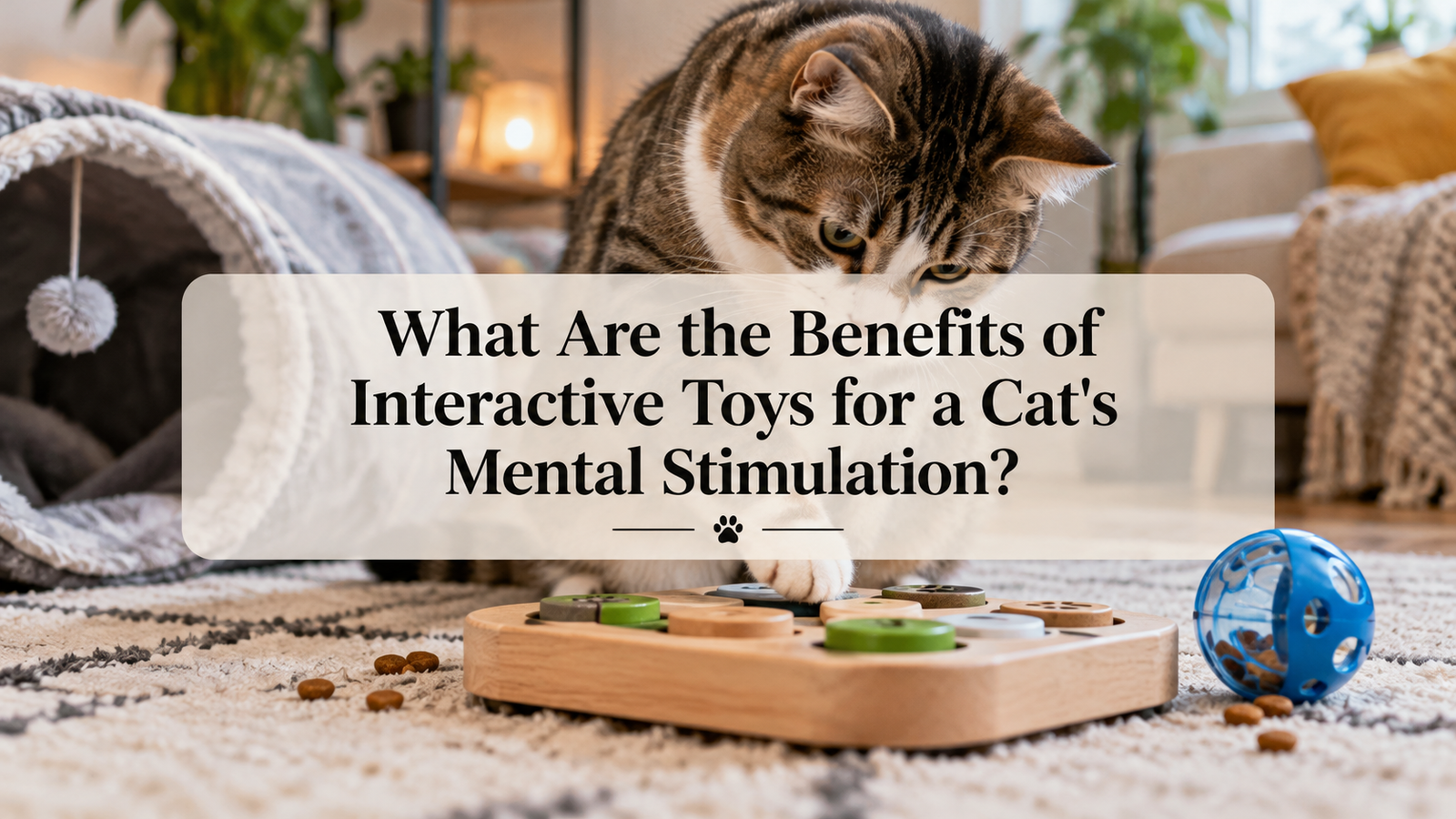
Cats are naturally curious animals that enjoy exploring their surroundings, observing movement, and discovering new things. Although many domestic cats spend most of their time indoors, their natural hunting instincts remain strong. They still need activities that challenge their minds and encourage them to stay active. This is where interactive cat toys become an important part of their daily lives.
Interactive toys for cats provide entertainment while supporting mental stimulation, physical exercise, and emotional well being. These toys encourage cats to think, investigate, chase, and solve simple problems. Unlike ordinary toys that remain in one place, interactive toys create opportunities for cats to participate in activities that require attention and effort.
Understanding the benefits of interactive toys for cats can help pet owners create a healthier and more interesting environment for their pets. With the right toys and regular playtime, cats can enjoy a more satisfying indoor lifestyle.
Why Is Mental Stimulation Important for Cats?
Mental stimulation refers to activities that encourage the brain to remain active. Just like physical exercise keeps the body healthy, mental activities help cats use their natural abilities.
In the wild, cats spend considerable time searching for food, observing prey, exploring territories, and responding to changes in their surroundings. These activities require concentration, patience, and problem solving skills.
Indoor cats do not always have the same opportunities. Their food is usually provided in bowls, their surroundings remain familiar, and they may spend long periods without meaningful activities.
Without sufficient stimulation, some cats become bored, restless, or less interested in their environment.
Interactive cat toys help address this problem by introducing activities that encourage natural behaviors. A cat that regularly participates in stimulating play may become more confident, curious, and engaged with its surroundings.
Mental stimulation is therefore an important part of responsible cat care.
1. Interactive Toys Help Prevent Boredom in Cats
One of the greatest benefits of interactive cat toys is their ability to reduce boredom.
Cats may sleep for many hours each day, but this does not mean they enjoy having nothing to do while awake. They still need opportunities to explore and participate in interesting activities.
A cat living in an environment without sufficient entertainment may start displaying unusual behaviors.
For example, some bored cats repeatedly scratch furniture, seek attention excessively, or become restless during the night.
Interactive toys introduce variety into their daily routine.
Moving balls, puzzle feeders, and toys that imitate prey can attract a cat’s attention and encourage active participation.
Instead of spending long periods without meaningful activity, the cat has something interesting to investigate.
Regular play sessions also make indoor life more enjoyable, particularly for cats that spend most of their time alone.
2. They Encourage Natural Hunting Instincts
Cats are natural hunters, even when they have never lived outdoors.
Their instincts encourage them to watch movement carefully, approach objects quietly, chase moving targets, and capture prey.
Interactive toys provide opportunities to practice these behaviors in a safe environment.
For example, a feather wand can imitate the unpredictable movement of a small bird. A moving toy mouse may encourage a cat to crouch, follow, and jump.
These activities allow cats to express behaviors that are naturally important to them.
Hunting games are especially valuable because they combine mental concentration with physical movement.
The cat must observe the toy, predict its direction, and decide when to move.
Allowing the cat to catch the toy occasionally is important because successful capture helps complete the hunting experience.
Pet owners can make playtime more satisfying by ending a hunting game with a small appropriate treat or the cat’s regular meal.
3. Interactive Cat Toys Improve Problem Solving Skills
Problem solving is another important benefit of mental stimulation for cats.
Some interactive toys require cats to discover how to reach hidden treats or release food from specially designed compartments.
Puzzle feeders are a common example.
A cat may need to move a small object, push a sliding cover, or roll a container to access its food.
These activities encourage the animal to experiment with different movements.
Over time, cats may become more familiar with these challenges and learn how to complete them efficiently.
Problem solving toys can also help cats develop patience and persistence.
However, the difficulty level should match the cat’s experience.
A beginner may become frustrated with a complicated puzzle. Starting with simple activities and gradually introducing more challenging toys is usually a better approach.
The purpose is to make learning enjoyable rather than stressful.
4. They Support Physical Exercise and Healthy Weight
Although interactive toys are often discussed in relation to mental stimulation, they also encourage physical activity.
Many indoor cats have limited opportunities to run, climb, and chase objects.
This lack of movement can contribute to weight gain, especially when combined with excessive feeding.
Interactive toys encourage cats to move naturally.
A rolling ball may inspire chasing, while a feather wand can encourage jumping and stretching.
These movements help cats use their muscles and remain physically active.
Regular exercise also supports mobility and general fitness.
However, interactive toys alone cannot prevent obesity. Maintaining a healthy weight requires suitable food portions, appropriate nutrition, and regular activity.
Pet owners should choose activities according to their cat’s age, health, and physical abilities.
Older cats may prefer slower games, while young cats often enjoy more energetic play.
5. Interactive Toys May Help Reduce Stress and Anxiety
Cats can experience stress when their environment changes or when they lack suitable opportunities to express natural behaviors.
Common sources of stress include unfamiliar visitors, changes in household routines, new animals, and limited access to comfortable spaces.
Interactive toys can provide positive activities that help some cats feel more relaxed.
For example, a familiar puzzle feeder may offer a predictable and rewarding experience.
Gentle play sessions can also redirect attention toward enjoyable activities.
However, toys should never be considered a complete treatment for anxiety.
A stressed cat may need quiet resting areas, hiding places, consistent routines, and appropriate veterinary care.
If a cat suddenly begins hiding, stops eating, or displays major behavioral changes, pet owners should consult a veterinarian.
Interactive toys work best as part of a comfortable and supportive living environment.
6. They Strengthen the Bond Between Cats and Their Owners
Interactive play is not only beneficial for cats. It also creates opportunities for positive interaction between pets and their owners.
When people regularly spend time playing with their cats, they learn more about their pets’ personalities and preferences.
Some cats enjoy chasing feathers, while others prefer rolling balls or searching for hidden treats.
Understanding these preferences makes playtime more enjoyable.
Shared activities can also help build trust.
A cat that associates its owner with enjoyable experiences may become more comfortable participating in daily interactions.
Even short play sessions can provide meaningful opportunities for connection.
For many cats, several brief sessions throughout the day work better than one long session.
The important thing is to provide regular attention without forcing participation.
7. Interactive Toys Encourage Curiosity and Exploration
Curiosity is an important part of feline behavior.
Cats naturally investigate unfamiliar objects, sounds, and movements. Interactive toys support this curiosity by introducing interesting challenges.
For example, a treat dispensing ball encourages a cat to discover how movement affects the release of food.
A tunnel with a moving toy inside may inspire exploration.
These activities encourage cats to observe and interact with their environment.
Regular opportunities for exploration can make indoor living more interesting.
However, variety should be introduced carefully.
Some cats are cautious around unfamiliar objects and may need time to become comfortable.
Pet owners should allow their cats to approach new toys at their own pace.
A calm introduction often creates a more positive experience than placing an unfamiliar moving toy directly beside a nervous cat.
8. They Help Reduce Unwanted Behaviors
Some unwanted behaviors in cats are associated with boredom, frustration, or insufficient opportunities for natural activities.
For example, a cat with limited entertainment may repeatedly attack moving feet or demand attention during the night.
Interactive toys can provide alternative activities that satisfy the desire to chase and investigate.
Scheduled playtime may also help establish a more predictable daily routine.
However, not every behavioral problem is caused by boredom.
Excessive scratching, aggression, inappropriate urination, and sudden changes in behavior can have several causes, including medical problems.
Interactive toys should therefore be considered one part of a broader approach to feline well being.
Pet owners should seek professional advice when unwanted behaviors continue or become severe.
9. Interactive Toys Are Helpful for Indoor Cats
Indoor cats often live in safe and comfortable environments, but they may have fewer opportunities for natural exploration.
Their surroundings can become predictable, especially when furniture, feeding locations, and daily routines rarely change.
Interactive cat toys introduce new experiences without requiring outdoor access.
Puzzle feeders, wand toys, and activity tracks can provide different forms of stimulation.
A cat may spend time solving a food puzzle in the morning and enjoy a chasing game later in the day.
This variety makes everyday activities more engaging.
Indoor cats also benefit from scratching posts, climbing structures, comfortable window views, and safe hiding places.
Combining these environmental features with interactive play creates a more enriching living space.
10. They Provide Mental Enrichment for Senior Cats
Older cats also need mental stimulation, although their activity preferences may change with age.
Senior cats may experience reduced mobility, joint discomfort, or changes in their senses.
Fast moving toys that require repeated jumping may become difficult.
However, simple interactive activities can still provide enjoyment.
Slowly moving wand toys, easy puzzle feeders, and gentle searching games are useful options.
These activities allow older cats to remain engaged without unnecessary physical strain.
Pet owners should observe their cat’s comfort and avoid activities that cause fatigue or discomfort.
If an older cat becomes unusually confused, less responsive, or reluctant to play, veterinary assessment is important.
Mental enrichment can support a senior cat’s quality of life, but it does not replace medical care or prevent every age related condition.
What Are the Best Types of Interactive Toys for Cats?
Different interactive toys provide different benefits. Choosing suitable options depends on the cat’s personality, activity level, and preferences.
Puzzle Feeders
Puzzle feeders require cats to work for small portions of food.
They encourage problem solving and can make feeding more interesting. Pet owners should include food used in puzzles within the cat’s regular daily allowance.
Feather Wand Toys
Feather wands encourage chasing, stalking, and jumping.
They are particularly useful for interactive play between cats and their owners. Wand toys should be stored safely after play because strings and feathers may be dangerous if swallowed.
Interactive Balls
Moving balls encourage cats to follow, chase, and investigate.
Some cats enjoy balls that move unpredictably, while others prefer simple toys they can push themselves.
Treat Dispensing Toys
These toys release small amounts of food when moved correctly.
They combine mental challenges with rewarding experiences.
Motion Activated Toys
Motion activated toys respond when a cat approaches or touches them.
They can provide entertainment, but some cats may find sudden noises or movements frightening.
Owners should introduce them gradually and supervise their use.
How Often Should Cats Play With Interactive Toys?
The ideal amount of playtime depends on a cat’s age, health, energy level, and individual interests.
Many healthy adult cats benefit from several short play sessions throughout the day.
A session lasting around 5 to 15 minutes can be a useful starting point, although some cats prefer shorter or longer activities.
Kittens often enjoy frequent energetic play, while older cats may prefer gentle interaction.
Pet owners should watch their cat’s behavior rather than follow a strict schedule.
If the cat becomes tired, loses interest, or walks away, it is usually time to stop.
Regularity is more important than making every session lengthy.
Important Safety Tips When Choosing Interactive Cat Toys
Safety should always be considered when selecting toys for cats.
Choose products made from suitable materials that can withstand normal play. Avoid toys with loose buttons, easily detached decorations, sharp edges, or small parts that could be swallowed.
Strings, ribbons, elastic cords, and feathers require particular care because swallowing them can cause serious digestive problems.
Battery powered toys should have secure battery compartments.
Pet owners should inspect toys regularly for damage and remove broken items immediately.
It is also important to provide supervision when using toys that contain cords or removable pieces.
Safe play allows cats to enjoy mental stimulation without unnecessary risks.
How Can Pet Owners Keep Interactive Toys Interesting?
Cats may lose interest when the same toy remains available all the time.
Rotating toys is a simple way to maintain curiosity.
Pet owners can provide a few toys for several days and then replace them with different options.
When a familiar toy returns after a short break, the cat may show renewed interest.
Changing the way a toy moves can also make playtime more exciting.
For example, a wand toy can move slowly behind furniture before appearing again.
Small changes encourage attention and exploration.
However, not every cat enjoys constant novelty. Familiar toys can provide comfort, so owners should balance new experiences with predictable favorites.
Conclusion
Interactive toys for cats offer many valuable benefits for mental stimulation and overall well being. They help reduce boredom, encourage natural hunting behavior, develop problem solving skills, and provide opportunities for physical exercise.
These toys can also strengthen the relationship between cats and their owners while making indoor environments more engaging.
The most effective approach is to choose safe toys that match a cat’s age, personality, and physical abilities. Regular play sessions, appropriate challenges, and occasional toy rotation can help maintain interest.
Interactive toys are not a replacement for proper nutrition, veterinary care, or a comfortable environment. However, they are an important part of creating a fulfilling daily routine.
By making interactive play a regular habit, pet owners can support their cat’s natural curiosity and help provide a healthier, more active, and enjoyable life.