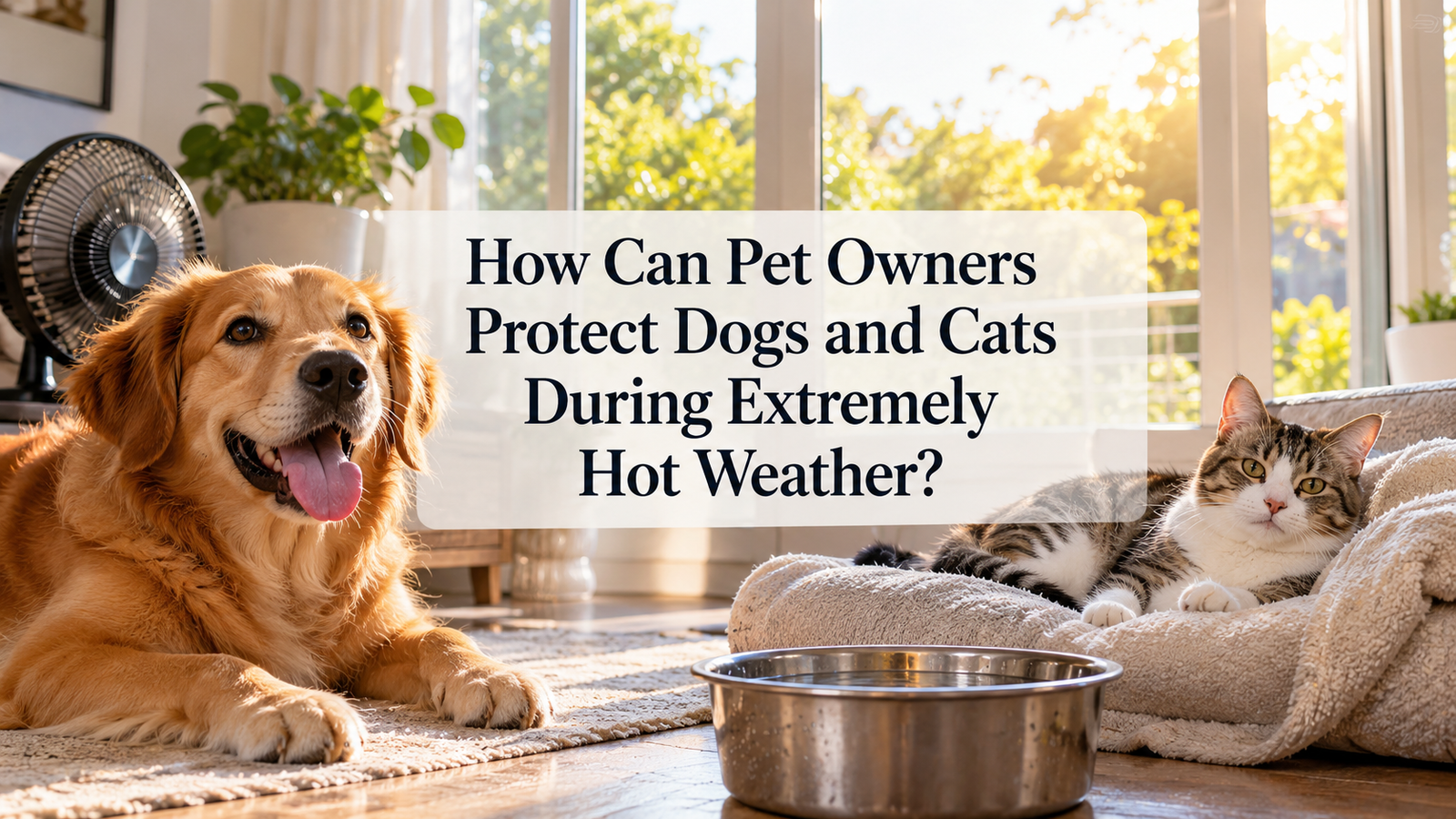
Extremely hot weather can create serious health problems for dogs and cats. While many pets enjoy spending time outdoors, high temperatures can quickly become dangerous if proper precautions are not taken. Heat exhaustion, dehydration, burned paws, and heatstroke are some of the common risks that pets face during the summer months.
Dogs and cats cannot regulate their body temperature in the same way humans do. People cool themselves mainly through sweating, but dogs depend heavily on panting to release excess heat. Cats also use grooming, behavioral changes, and other natural methods to stay comfortable. However, these cooling methods may not be enough during extreme heat.
Understanding how to protect dogs and cats during hot weather is an important responsibility for every pet owner. With proper hydration, suitable shelter, careful exercise routines, and regular observation, owners can help their pets remain safe and comfortable even when outdoor temperatures rise.
Why Is Extremely Hot Weather Dangerous for Pets?
High temperatures affect pets differently depending on their breed, age, body weight, and overall health. Some animals tolerate warmer conditions better than others, but every dog and cat can experience heat related illness.
Dogs and cats naturally maintain a body temperature that is higher than the average human body temperature. When environmental temperatures become excessive, their bodies may struggle to release enough heat.
Heat exposure becomes especially dangerous when humidity is high because moisture in the air reduces the effectiveness of evaporative cooling.
Pets with thick coats, breathing difficulties, obesity, or existing medical conditions may face additional risks.
Young puppies, kittens, and older animals also require special attention because they may have difficulty maintaining a stable body temperature.
Recognizing these risks allows pet owners to take preventive action before serious health problems develop.
1. Always Provide Fresh and Clean Drinking Water
Proper hydration is one of the most important ways to protect dogs and cats during extremely hot weather.
Pets lose moisture through normal bodily functions, breathing, and cooling processes. As temperatures increase, their need for water may also rise.
Owners should make sure fresh drinking water is available throughout the day.
Water bowls should be placed in shaded and easily accessible locations. If several pets live in the same household, providing multiple drinking stations can help ensure that every animal has access to water.
Outdoor water bowls should be checked frequently because direct sunlight can make drinking water unpleasantly warm.
Some cats prefer moving water and may drink more frequently from a pet water fountain.
Adding wet food to a cat’s regular feeding routine may also contribute to daily water intake.
However, sudden dietary changes should be avoided when an animal has a sensitive stomach.
Owners should never force large amounts of water into a pet’s mouth because doing so may cause choking or aspiration.
Providing consistent access to clean water supports hydration and reduces the risk of heat related health problems.
2. Keep Dogs and Cats Indoors During the Hottest Hours
One of the simplest methods of protecting pets from extreme heat is limiting outdoor exposure.
The hottest period of the day often occurs during the afternoon, although the exact timing depends on local weather conditions.
During these hours, outdoor surfaces and surrounding air can become dangerously hot.
Dogs should be taken outside for essential bathroom breaks rather than prolonged walks when temperatures are extreme.
Cats that normally spend time outdoors should have access to a cool indoor environment.
Indoor rooms with good ventilation, fans, or air conditioning can provide relief from rising temperatures.
However, fans alone may not protect pets when indoor air temperatures become dangerously high.
Owners should monitor the temperature inside their homes rather than assuming that indoor conditions are automatically safe.
Closing curtains during periods of strong sunlight may help prevent rooms from becoming excessively warm.
Keeping pets indoors during peak heat can significantly reduce their exposure to dangerous temperatures.
3. Create a Comfortable and Cool Resting Area
Dogs and cats need comfortable spaces where they can rest without experiencing excessive heat.
A suitable resting area should be located away from direct sunlight and have adequate ventilation.
Tile floors are often cooler than carpets, making them attractive resting places during hot weather.
Pet owners can also provide cooling mats designed specifically for animals.
These mats may help pets remain comfortable when used according to the manufacturer’s instructions.
Some dogs enjoy lying near shaded windows or in rooms with air conditioning.
Cats often select quiet places beneath furniture or near cooler surfaces.
Owners should allow pets to choose comfortable resting positions while ensuring that these areas remain safe.
Pet beds made from thick materials may trap heat, so lighter bedding may be more suitable during extremely hot conditions.
A cool resting environment supports normal body temperature regulation and helps pets recover after physical activity.
4. Adjust Walking and Exercise Routines
Regular exercise is necessary for maintaining a pet’s physical and mental health. However, exercise routines should change during periods of extreme heat.
Dogs that normally enjoy long afternoon walks may become overheated when temperatures rise.
Early morning walks are often more comfortable because roads and sidewalks have had time to cool overnight.
Late evening walks may also be suitable if outdoor surfaces and air temperatures have decreased sufficiently.
Before walking a dog, owners should check the temperature of the pavement.
Asphalt, concrete, and other outdoor surfaces can become much hotter than the surrounding air.
These surfaces may cause painful burns to a dog’s paw pads.
Walking on shaded grass or cooler natural surfaces can reduce this risk.
During heatwaves, indoor activities such as gentle training exercises, puzzle toys, and scent games can provide mental stimulation without excessive physical effort.
Exercise should be reduced or avoided when weather conditions remain dangerously hot.
5. Never Leave Pets Inside Parked Vehicles
Leaving a dog or cat inside a parked car is one of the most dangerous mistakes a pet owner can make during hot weather.
A vehicle’s interior temperature can rise rapidly, even when the outdoor temperature seems manageable.
Partially opening the windows does not provide reliable protection against overheating.
Dogs and cats left inside vehicles may develop life threatening heatstroke within a short period.
Even a brief visit to a shop can expose a pet to serious danger.
The safest option is to leave pets at home in a comfortable environment when their presence is unnecessary.
If a pet must travel, the vehicle should have effective cooling and proper ventilation.
Owners should also ensure that pets are safely secured during transportation.
Never leaving pets unattended in parked vehicles is an essential summer safety rule.
6. Recognize the Early Signs of Heat Exhaustion and Heatstroke
Understanding the warning signs of overheating can help pet owners recognize emergencies.
Heat related illness can develop quickly, especially when pets are exposed to extreme temperatures or intense physical activity.
Common warning signs include:
- Excessive or unusually heavy panting
- Rapid breathing
- Excessive drooling
- Weakness or unusual tiredness
- Restlessness
- Vomiting or diarrhea
- Difficulty walking
- Confusion or reduced responsiveness
- Collapse or seizures
Cats may show more subtle symptoms than dogs. Open mouth breathing or panting in a cat is particularly concerning and requires immediate attention.
Heatstroke is a medical emergency that may damage internal organs and become fatal.
If heatstroke is suspected, move the pet to a cooler location, begin cooling with cool water, and seek emergency veterinary care immediately.
Avoid ice baths or extremely cold water. Cool water with airflow can help lower body temperature while veterinary care is being arranged.
Do not delay treatment to see whether the animal improves on its own.
7. Protect Your Pet’s Paws From Hot Surfaces
Hot pavement can cause serious discomfort and injuries to dogs and cats.
During summer, roads, sidewalks, and outdoor tiles absorb sunlight and may remain hot after the surrounding air begins to cool.
Dogs walking on these surfaces may develop burns, redness, or painful blisters.
Pet owners should inspect outdoor surfaces before allowing their animals to walk on them.
A useful precaution is placing the back of a hand against the pavement for several seconds. If the surface feels uncomfortable, it may also be unsafe for a pet’s paws.
This simple check is not a guarantee of safety, so avoiding hot surfaces remains the best approach.
Shaded walking paths and grassy areas are generally more comfortable.
After outdoor activities, owners should inspect paw pads for redness, tenderness, or unusual behavior.
Pets that repeatedly lick their paws or avoid placing weight on a foot may have developed an injury requiring veterinary attention.
8. Pay Special Attention to Vulnerable Pets
Certain dogs and cats are more likely to experience heat related complications.
Flat faced dog breeds such as Bulldogs, Pugs, and French Bulldogs may have difficulty cooling themselves through panting.
Flat faced cats, including some Persian cats, may also experience breathing difficulties in warm environments.
Overweight animals can struggle to regulate body temperature efficiently.
Older pets and animals with heart or respiratory conditions may also have reduced heat tolerance.
Thick coated breeds require careful management during hot weather, although shaving their coats is not always beneficial.
A healthy coat can provide some protection from sunlight and environmental conditions.
Owners should consult a veterinarian or experienced groomer before making major grooming changes.
Pets with existing medical conditions may require individualized summer care recommendations.
Providing additional supervision and limiting heat exposure can help protect these vulnerable animals.
9. Maintain Proper Grooming and Coat Care
Regular grooming plays an important role in keeping dogs and cats comfortable during hot weather.
Removing loose fur and preventing tangled coats can improve air circulation near the skin.
For long haired pets, brushing helps prevent mats that may trap moisture and cause skin irritation.
However, owners should not automatically shave a pet’s coat during summer.
Some double coated breeds rely on their natural coats for insulation and protection against sunlight.
Shaving may increase the risk of sunburn and interfere with normal coat function.
Cats usually maintain their coats through grooming, but long haired and older cats may require additional brushing.
Regular grooming sessions also provide an opportunity to check for fleas, ticks, skin irritation, and other problems.
Maintaining a clean, healthy coat supports comfort throughout the summer season.
10. Offer Safe Cooling Activities
Simple cooling activities can make hot weather more comfortable for pets.
Some dogs enjoy playing in shallow water or relaxing on damp towels.
Others may appreciate pet friendly cooling mats or supervised access to a small paddling pool.
Water activities should always be supervised, and pets should never be forced into water.
Cats may prefer cool resting surfaces, quiet indoor spaces, or access to fresh drinking water.
Pet owners can also offer suitable frozen treats in moderation.
For example, a small amount of plain, pet safe food can be frozen into an appropriate treat.
Any cooling treat should match the animal’s dietary requirements and should not contain harmful ingredients.
Owners should avoid giving pets human frozen desserts that contain excessive sugar, chocolate, or xylitol.
Cooling activities should provide comfort without encouraging strenuous exercise during extreme heat.
11. Provide Suitable Shade for Outdoor Pets
Dogs and cats that spend time outdoors need reliable protection from direct sunlight.
Shaded areas can reduce exposure to intense solar heat, although shade alone may not be enough during severe heatwaves.
Trees, covered patios, and properly ventilated shelters can offer some protection.
However, enclosed outdoor structures may become dangerously hot when airflow is limited.
Pet houses made from plastic or metal can absorb heat, making them uncomfortable or unsafe.
Owners should check outdoor shelters throughout the day because shaded areas may shift as the sun moves.
Fresh drinking water must always remain accessible.
When temperatures become extreme, bringing pets indoors is generally the safest option.
Outdoor shade should be considered an additional precaution rather than a replacement for a properly cooled environment.
12. Monitor Eating Habits and Daily Behavior
Hot weather can affect a pet’s appetite, activity level, and daily routine.
Some dogs and cats may become less active or show reduced interest in food during particularly warm days.
However, significant appetite changes should not automatically be blamed on the weather.
Loss of appetite, repeated vomiting, severe weakness, or unusual behavior may indicate an underlying medical problem.
Owners should pay attention to how much their pets eat and drink.
Food should not be left exposed to high temperatures for long periods because heat can encourage spoilage.
Wet pet food is especially likely to deteriorate when left in warm conditions.
Regular feeding times and appropriate portion sizes can help maintain a healthy routine.
Changes in drinking, urination, behavior, or energy levels should be discussed with a veterinarian when they are unusual or persistent.
Frequently Asked Questions
Can dogs and cats get heatstroke indoors?
Yes. Dogs and cats can develop heatstroke indoors when temperatures become excessively high, particularly in poorly ventilated rooms without effective cooling.
How can I tell if my dog is too hot?
Heavy panting, unusual drooling, weakness, restlessness, vomiting, and difficulty walking may indicate overheating. Severe symptoms require immediate emergency veterinary attention.
Should I shave my pet during summer?
Not necessarily. Some pets benefit from professional trimming, but shaving certain coat types may remove natural protection. Consult a veterinarian or qualified groomer first.
Can cats tolerate extremely hot weather?
Cats often seek cooler locations and reduce their activity in warm conditions. However, they can still experience dehydration, overheating, and heatstroke, especially when exposed to high temperatures for extended periods.
Is cold drinking water safe for pets during summer?
Fresh, cool drinking water is generally safe for healthy dogs and cats. Pets should be allowed to drink naturally without being forced to consume excessive amounts.
Conclusion
Protecting dogs and cats during extremely hot weather requires attention, preparation, and an understanding of their physical needs. While summer can provide opportunities for outdoor activities, excessive heat can quickly create dangerous situations for pets.
Providing fresh water, maintaining a cool indoor environment, adjusting exercise schedules, protecting paw pads, and recognizing signs of overheating are essential precautions.
Pet owners should also remember that puppies, kittens, older animals, overweight pets, and breeds with breathing difficulties may require additional care.
Most importantly, suspected heatstroke should always be treated as a veterinary emergency.
By making thoughtful changes to daily routines and monitoring their pets carefully, owners can help dogs and cats remain healthier, safer, and more comfortable throughout the hottest months of the year.