
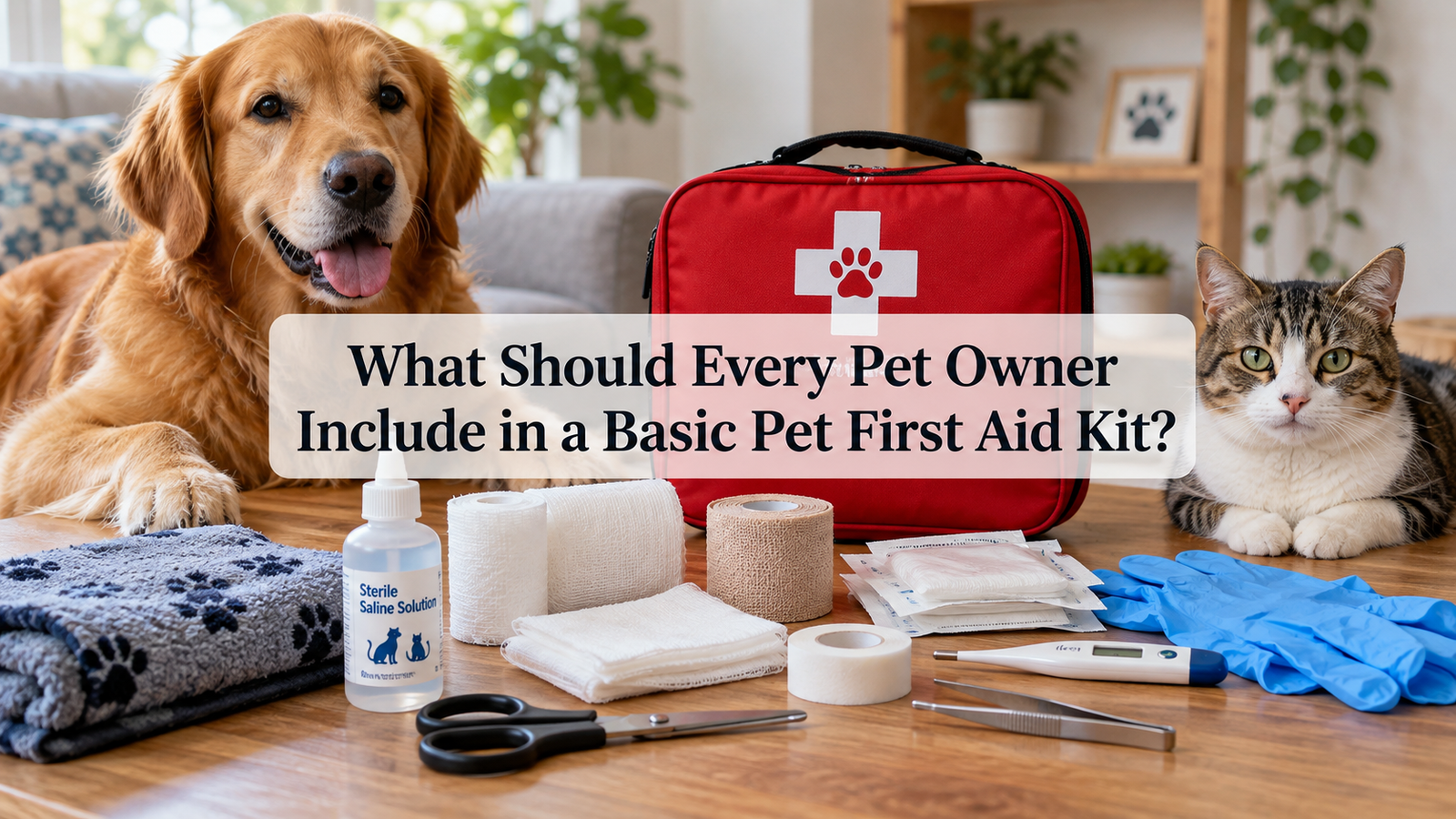
Pets are important members of our families, and their health and safety deserve proper attention. Just like humans, dogs, cats, and other household animals can experience unexpected injuries, accidents, or medical emergencies. A playful dog might step on something sharp during a walk, while a curious cat may accidentally scratch its skin while exploring the house. These situations can happen without warning, which is why every responsible pet owner should keep a basic pet first aid kit at home.
A well prepared pet first aid kit contains essential supplies that help owners respond quickly to minor injuries and manage certain emergencies until professional veterinary care becomes available. Having these items in one place can reduce confusion and help owners remain calm when their pets need immediate attention.
Understanding what to include in a pet first aid kit is an important part of responsible pet ownership. With the right supplies, proper storage, and basic knowledge, pet owners can create a safer environment for their animals.
Why Is a Pet First Aid Kit Important?
A pet first aid kit provides basic medical supplies that can be useful during unexpected situations. Pets are naturally active and curious, which sometimes exposes them to risks such as cuts, insect bites, burns, and accidental injuries.
Even indoor pets can face emergencies. Cats may injure themselves while jumping from furniture, and dogs may accidentally swallow dangerous objects. Although first aid cannot replace veterinary treatment, it can help owners provide immediate support before reaching an animal hospital.
Another important benefit is convenience. Instead of searching for bandages, gloves, or cleaning materials during a stressful situation, owners can find everything in one organized container.
A properly maintained pet first aid kit is especially helpful during outdoor activities, road trips, and visits to unfamiliar places where veterinary services may not be immediately available.
1. Sterile Gauze Pads and Bandages
Sterile gauze pads are among the most useful items in a basic pet first aid kit. They can help cover minor wounds, absorb blood, and protect injured areas from dirt.
If a pet experiences a small cut, a clean gauze pad can be placed gently over the affected area. Gauze can also help apply steady pressure to a bleeding wound while veterinary assistance is arranged.
Pet owners should include different sizes of sterile gauze pads because injuries can occur on different parts of the body.
Soft bandage rolls are useful for holding gauze in place. However, bandages must never be wrapped too tightly because excessive pressure can interfere with blood circulation.
A serious wound, persistent bleeding, or deep injury always requires professional veterinary attention.
2. Nonstick Wound Dressings
Nonstick wound dressings are designed to cover injured skin without attaching firmly to the wound surface.
These dressings can be particularly helpful when a pet has a superficial scrape or a sensitive area that needs protection. Ordinary materials may stick to injured tissue and cause discomfort when removed.
Nonstick dressings help reduce this problem and make temporary wound protection easier.
Owners should select clean, individually packaged dressings and keep several sizes available.
Any dressing should be used carefully, and injured areas should be examined by a veterinarian when necessary.
3. Adhesive Medical Tape
Medical tape helps secure gauze and wound dressings during temporary first aid.
A pet first aid kit should contain a roll of gentle medical tape that can hold dressing materials in place without requiring excessive pressure.
Tape should generally be attached to bandaging materials rather than directly to a pet’s fur whenever possible.
Applying tape directly to fur may cause discomfort or skin irritation during removal.
Pet owners should also avoid wrapping tape tightly around legs, tails, or other body parts.
For additional convenience, a self adhering veterinary bandage can be included, but it must be applied loosely and with appropriate padding to prevent circulation problems.
4. Pet Safe Wound Cleaning Solution
Cleaning minor wounds is an important part of basic pet first aid.
A sterile saline solution is a practical option for gently rinsing dirt and debris from superficial injuries. It can also be useful for flushing certain contaminants from the eyes while professional help is arranged.
Pet owners should choose plain sterile saline without added medications or cleaning chemicals.
Strong disinfectants, alcohol, and hydrogen peroxide should not be applied routinely to pet wounds because they can irritate healthy tissue and interfere with healing.
A veterinarian may recommend a suitable antiseptic for particular situations.
Having an appropriate cleaning solution available helps owners care for minor injuries more safely.
5. Blunt Tipped Scissors
A reliable pair of blunt tipped scissors is another essential item for a pet first aid kit.
Scissors can be used to cut gauze, medical tape, and bandaging materials into suitable sizes.
Blunt tips are preferable because they reduce the risk of accidental punctures when working near a moving animal.
Pet owners should keep these scissors exclusively for first aid whenever possible.
They should also avoid cutting close to the skin, especially when fur is tangled or the pet is moving unexpectedly.
Keeping scissors clean and properly stored helps maintain hygiene.
6. Tweezers and a Tick Removal Tool
Pets frequently explore grass, gardens, parks, and outdoor areas where small objects or parasites may become attached to their bodies.
Tweezers can be useful for carefully handling small objects or removing visible, superficial debris when it is safe to do so.
A dedicated tick removal tool is also worth including.
Ticks may attach themselves to dogs and cats after outdoor activities. Removing an attached tick promptly with a suitable tool can reduce the time it remains on the animal.
Pet owners should avoid squeezing the tick’s body or applying household chemicals to make it detach.
Deeply embedded objects, painful injuries, and difficult tick removals should be handled by a veterinarian.
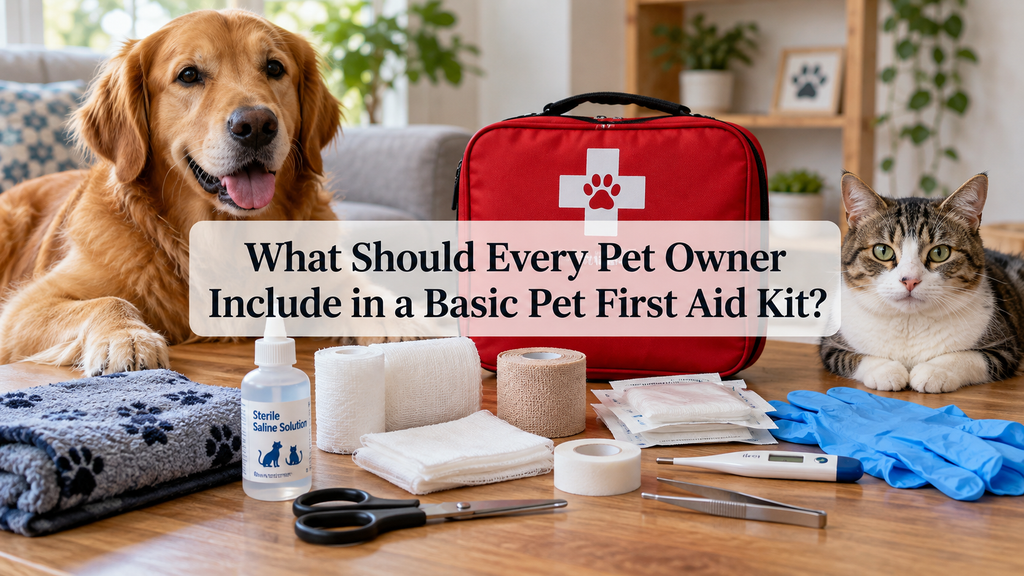
7. Disposable Medical Gloves
Disposable gloves help maintain cleanliness when providing first aid to an injured pet.
They create a protective barrier between the owner’s hands and bodily fluids such as blood or wound discharge.
Gloves are particularly important when cleaning wounds or handling contaminated materials.
Nitrile gloves are a useful choice because they are durable and suitable for individuals who prefer to avoid natural rubber latex.
A basic pet first aid kit should contain several pairs of properly sized disposable gloves.
Owners should replace gloves after use and wash their hands thoroughly once first aid is complete.
8. A Digital Thermometer
Monitoring body temperature can help identify possible illness or medical distress in pets.
A digital thermometer suitable for veterinary use is a valuable addition to a pet first aid kit.
Dogs and cats generally have a normal body temperature of approximately 100 to 102.5 degrees Fahrenheit, although normal readings can vary slightly.
A dedicated rectal thermometer is commonly used for accurate temperature measurement in these animals. Owners should learn the correct technique from a veterinarian before attempting it.
Trying to measure an uncooperative pet’s temperature can lead to injury or unnecessary stress.
An unusually high or low reading, especially when accompanied by weakness or unusual behavior, requires prompt veterinary advice.
9. A Clean Towel or Small Blanket
A soft towel or lightweight blanket can serve several purposes during a pet emergency.
It may help keep an injured animal warm, provide a clean surface, or support safe transportation to a veterinary clinic.
A towel can also help gently contain a frightened cat, provided the animal is breathing normally and handling does not worsen an injury.
Pet owners should remember that injured animals may react unpredictably because of pain or fear.
A normally friendly dog or cat may bite when frightened. Therefore, careful handling and personal safety are essential.
A clean, properly folded towel takes up little space and can be extremely useful.
10. An Emergency Contact Information Card
Emergency contact information is one of the most overlooked items in a pet first aid kit.
During stressful situations, owners may struggle to remember important telephone numbers or medical details.
A small waterproof card should contain the regular veterinarian’s contact number, the nearest emergency veterinary hospital, and a reliable transportation contact.
Owners should also record their pet’s basic medical information, including age, current medications, known allergies, and important health conditions.
If someone else is caring for the pet, this information can help them communicate with a veterinarian.
Keeping an updated emergency contact card makes the first aid kit more practical and useful.
11. A Pet First Aid Instruction Guide
Having medical supplies is helpful, but knowing how to use them safely is equally important.
A simple pet first aid instruction guide can explain basic emergency responses, safe handling techniques, and situations that require immediate veterinary attention.
Owners should choose a guide prepared or reviewed by qualified veterinary professionals.
Learning basic first aid before an emergency occurs can improve confidence and reduce unnecessary mistakes.
However, written instructions cannot replace practical training or professional veterinary advice.
Owners should consider attending a pet first aid course to learn appropriate techniques for responding to common emergencies.
12. A Flashlight and Emergency Leash
A small flashlight can help owners examine their pet during a power failure or outdoor emergency.
It may also be useful when locating an injured animal in a poorly illuminated area.
An extra leash can help keep a dog safely controlled during transportation or while waiting for veterinary assistance.
For cats, a secure carrier is generally safer than relying on a leash during stressful situations.
These simple items can improve organization and help prevent an already difficult situation from becoming more dangerous.
13. A Pet Carrier or Safe Transportation Plan
Although a pet carrier may not fit inside a traditional first aid box, it remains an important part of emergency preparation.
An injured pet may have difficulty walking or moving independently. A sturdy carrier can help transport a small animal to a veterinary clinic.
Owners of larger dogs should consider how they would move their pets safely during an emergency.
A thick blanket may sometimes assist with supported movement, but suspected spinal injuries require special precautions and veterinary guidance.
Planning transportation in advance is particularly useful for households located far from veterinary hospitals.
14. Necessary Veterinary Prescribed Supplies
Some pets have existing health conditions that require special medical attention.
For example, a veterinarian may recommend specific emergency supplies for an animal with a diagnosed condition.
Owners should follow their veterinarian’s instructions regarding which items to store, how to use them, and when professional treatment is necessary.
Human painkillers, antibiotics, and other medicines should never be added to a pet first aid kit for unsupervised use.
Certain medications that are commonly used by humans can cause serious poisoning in dogs and cats.
Owners should never give a pet medication without appropriate veterinary guidance.
How Should Pet Owners Organize Their First Aid Kit?
A pet first aid kit should be stored in a clean, dry, and easily accessible location.
A durable plastic container with a secure lid is often a practical choice. Separate compartments can help organize bandages, cleaning solutions, gloves, and other supplies.
All items should remain in their original packaging whenever possible.
Pet owners should clearly label the container so other family members can identify it during an emergency.
A smaller portable first aid kit can also be prepared for outdoor walks, travel, and family vacations.
Keeping essential supplies organized saves valuable time when an unexpected incident occurs.
How Often Should a Pet First Aid Kit Be Checked?
Regular inspection is necessary to ensure that all supplies remain safe and ready for use.
Pet owners should check their first aid kit every three months and examine expiration dates on sterile solutions, packaged dressings, and other products.
Used or damaged materials should be replaced promptly.
Contact information should also be updated whenever a veterinarian changes location or an emergency telephone number becomes unavailable.
After using any first aid supplies, owners should restock the container as soon as possible.
A well maintained kit is much more useful than one containing missing, damaged, or expired items.
When Should a Pet Owner Seek Emergency Veterinary Care?
A pet first aid kit is designed to provide temporary support, not complete medical treatment.
Owners should seek immediate veterinary assistance when their pet experiences difficulty breathing, uncontrolled bleeding, seizures, collapse, suspected poisoning, serious burns, or major injuries.
Repeated vomiting, extreme weakness, severe pain, and sudden changes in consciousness also require urgent veterinary assessment.
Pets that are unable to urinate may have a life threatening obstruction and need immediate care.
If poisoning is suspected, owners should contact a veterinarian or animal poison service promptly. They should not induce vomiting unless specifically instructed by a veterinary professional.
Recognizing these warning signs is an essential part of responsible pet care.
Conclusion
Every pet owner should understand the importance of keeping a basic pet first aid kit at home. Accidents and unexpected injuries can happen even when animals receive excellent care and supervision.
Essential supplies such as sterile gauze, bandages, saline solution, gloves, scissors, a thermometer, and emergency contact information can help owners respond more effectively to minor injuries and urgent situations.
However, the true value of a pet first aid kit comes from combining appropriate supplies with basic knowledge and responsible decision making.
Regularly checking the kit, learning safe first aid techniques, and maintaining contact with a trusted veterinarian are important steps toward protecting a pet’s health.
A properly prepared pet first aid kit cannot prevent every emergency, but it can help owners respond calmly, protect their animals from additional harm, and obtain professional veterinary care when it matters most.