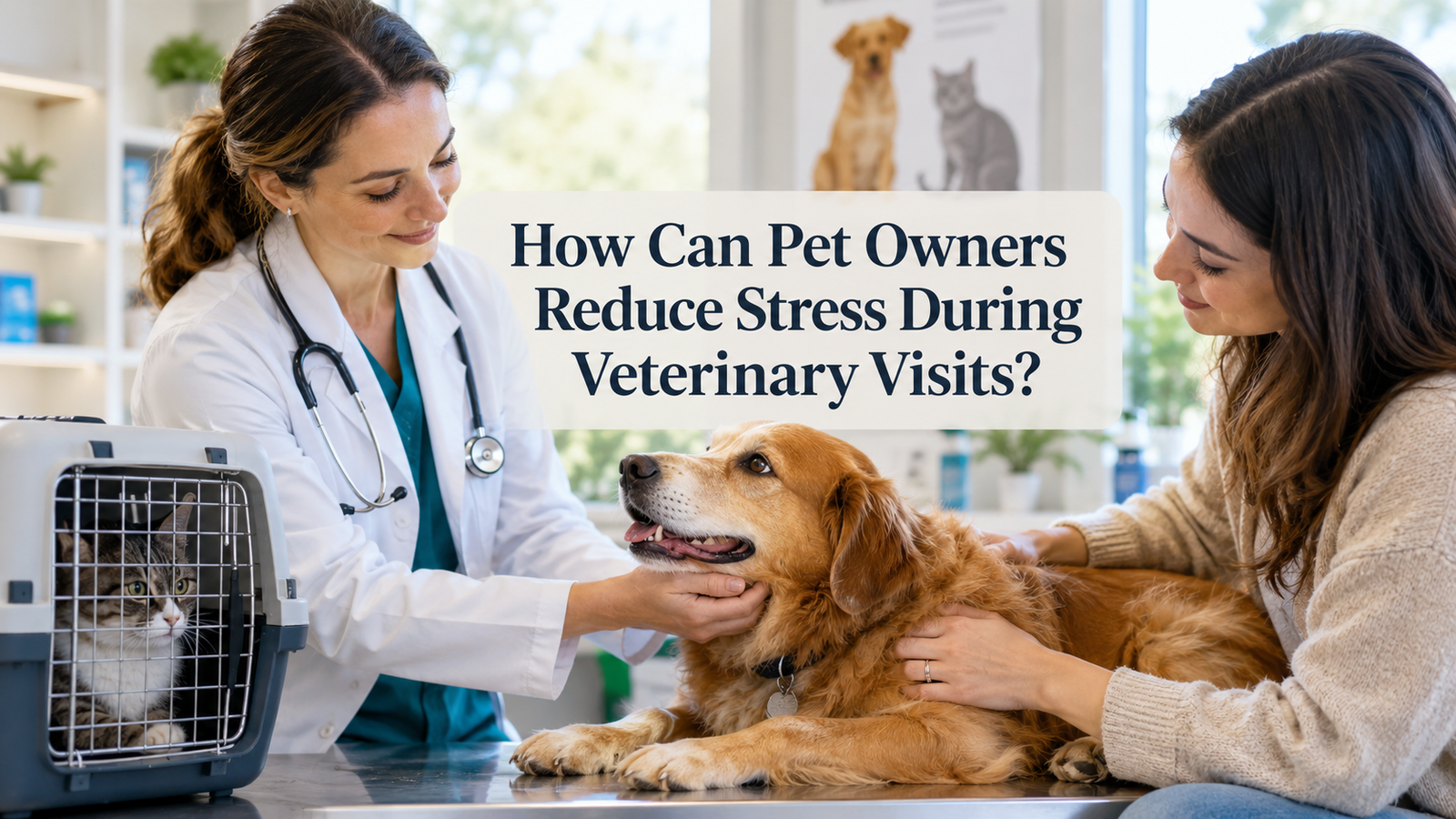
Taking a pet to the veterinarian is an important part of responsible pet ownership. Regular veterinary visits help protect animals from diseases, identify health problems early, and support their overall well being. However, many dogs and cats become nervous when they visit a veterinary clinic. Unfamiliar surroundings, strange smells, unknown people, and medical examinations can make the experience stressful.
Some pets become frightened as soon as they see their travel carrier, while others show signs of anxiety when they enter the clinic. These reactions can make routine checkups difficult for both pets and their owners.
Fortunately, pet owners can reduce stress during veterinary visits by preparing their animals in advance, creating positive experiences, and using gentle handling techniques.
Understanding why pets become anxious and learning practical ways to help them feel comfortable can make veterinary appointments safer and more pleasant.
Why Do Pets Experience Stress During Veterinary Visits?
Pets often feel anxious at veterinary clinics because they encounter unfamiliar situations. Unlike humans, animals do not understand why they are being examined or why someone is touching sensitive areas of their bodies.
Veterinary clinics contain many unfamiliar sounds and smells. Dogs may hear barking from other animals, while cats may become frightened by the presence of unfamiliar dogs.
Previous experiences can also influence a pet’s emotional response. An animal that has experienced painful treatment may associate the veterinary clinic with discomfort.
Traveling can create additional stress. Some pets dislike car rides, while others experience motion sickness.
Understanding these possible causes helps pet owners recognize that fearful behavior is often a natural response rather than disobedience.
Recognize the Early Signs of Stress in Pets
One of the most effective ways to reduce stress during veterinary visits is to recognize anxiety before it becomes severe.
Dogs and cats express their discomfort through body language and changes in behavior.
Common signs of stress in dogs include:
- Excessive panting without physical activity
- Trembling or shaking
- Repeated lip licking or yawning
- Hiding behind their owners
- Whining or excessive barking
- Avoiding eye contact or attempting to escape
Cats may show anxiety differently. They might hide inside their carriers, flatten their ears, crouch, hiss, or become unusually quiet.
Some frightened pets may growl, scratch, or attempt to bite when approached.
Recognizing these warning signs allows owners and veterinary staff to adjust their approach before the animal becomes overwhelmed.
Help Pets Become Comfortable With Their Travel Carrier
For many cats and small dogs, the travel carrier is the first source of anxiety associated with veterinary appointments.
If a carrier only appears before a veterinary visit, the pet may begin to associate it with unpleasant experiences.
Pet owners can change this association by keeping the carrier accessible at home.
Place a soft blanket inside and allow the animal to explore it voluntarily. Favorite toys and small treats can encourage positive interactions.
Some cats enjoy sleeping inside an open carrier when it becomes part of their normal environment.
Owners should avoid forcing pets into carriers whenever possible. Instead, they can gradually encourage animals to enter willingly.
A comfortable, secure carrier also helps protect pets during transportation.
For cats, a sturdy carrier with a removable top can make veterinary examinations easier because the veterinarian may be able to examine the cat without pulling it out.
Practice Gentle Handling at Home
Veterinary examinations often involve touching a pet’s ears, paws, mouth, abdomen, and other body areas.
Animals that are unfamiliar with this type of handling may become frightened during medical examinations.
Pet owners can help by introducing gentle handling exercises at home.
For example, briefly touching a dog’s paws and rewarding calm behavior can help it become more comfortable with paw examinations.
Similarly, gently lifting a cat’s ear or briefly touching its shoulders while offering a reward can build tolerance.
These exercises should remain short and pleasant.
If a pet becomes uncomfortable, the owner should stop and try a smaller step later.
Regular positive handling can improve cooperation during routine veterinary care, although it does not eliminate fear in every animal.
Make Car Travel More Comfortable
Transportation is another important factor in reducing stress during veterinary visits.
Pets that are uncomfortable during car rides may arrive at the clinic already frightened.
Owners can introduce car travel gradually by allowing pets to explore a stationary vehicle before attempting short journeys.
Begin with brief trips and increase their duration as the animal becomes more comfortable.
Dogs should travel using an appropriate safety harness or secure carrier. Cats should remain inside properly secured carriers throughout the journey.
Avoid allowing pets to move freely inside the vehicle because sudden braking can cause injuries.
Keep the vehicle at a comfortable temperature and avoid loud music.
If an animal regularly experiences vomiting, drooling, or severe discomfort during travel, a veterinarian can recommend appropriate solutions.
Never give human motion sickness medication without veterinary guidance.
Choose a Suitable Veterinary Appointment Time
The timing of a veterinary appointment can influence how stressful the experience becomes.
Busy waiting areas may expose pets to unfamiliar animals, loud noises, and prolonged periods of uncertainty.
Owners of anxious pets can ask whether the clinic offers quieter appointment times.
Early appointments may be convenient in some clinics, although the quietest time depends on the clinic’s schedule.
Informing the veterinary team about a pet’s anxiety before the appointment is also helpful.
Some clinics may allow frightened animals to wait inside their owners’ vehicles until an examination room becomes available.
This arrangement can reduce unnecessary exposure to stressful surroundings.
Choosing a suitable appointment time does not guarantee a completely calm visit, but it can make the experience easier to manage.
Bring Familiar Items From Home
Familiar objects can provide comfort when pets enter unfamiliar environments.
A favorite blanket, toy, or small piece of bedding may carry recognizable household smells.
These familiar scents can help some animals feel more secure during transportation and while waiting for their appointment.
For dogs, a favorite toy may offer a positive distraction.
For cats, placing familiar bedding inside the carrier can make the enclosed space more comfortable.
Owners should avoid bringing objects that may interfere with examinations or create safety concerns.
Simple familiar items can be useful, especially when combined with calm handling and a comfortable travel environment.
Use Positive Reinforcement During Veterinary Visits
Positive reinforcement is an effective approach to helping pets develop better associations with veterinary care.
The technique involves rewarding desirable behavior so that the animal becomes more willing to repeat it.
For example, a dog that calmly steps onto a weighing scale may receive a small treat.
A cat that voluntarily remains relaxed inside its carrier may also receive a suitable reward.
Rewards can include food, gentle praise, or favorite activities, depending on the animal’s preferences.
Some pets become too frightened to eat during veterinary appointments. Owners should not force treats when an animal refuses them.
Instead, they can create positive experiences during less stressful situations.
The goal is to help animals associate veterinary surroundings with safety and pleasant experiences rather than fear.
Stay Calm and Avoid Forceful Behavior
Pets are sensitive to human behavior, including changes in voice, movement, and handling.
Owners who remain calm and predictable can help create a more reassuring environment.
Speak gently and avoid sudden movements around a nervous animal.
If a dog hesitates to enter the clinic, pulling aggressively on its leash may increase fear.
Similarly, forcing a frightened cat out of its carrier can make the situation more stressful.
Veterinary staff are trained to handle animals safely and should be informed when a pet shows strong signs of anxiety.
Owners should follow professional instructions rather than attempting to restrain a struggling animal without guidance.
Patient handling helps protect the pet, its owner, and the veterinary team.
Consider Short Familiarization Visits
Some veterinary clinics allow pets to visit without undergoing a medical examination.
These visits can help animals become familiar with the building, reception area, and staff.
For example, an owner might bring a dog to the clinic for a brief visit, offer a treat, and leave before the dog becomes uncomfortable.
Repeating positive experiences may gradually reduce anxiety associated with the location.
For cats, familiarization may involve short carrier training sessions and carefully planned clinic visits when practical.
However, highly anxious animals may not benefit from unnecessary exposure to a busy clinic.
Owners should discuss familiarization strategies with veterinary staff and adjust the process according to their pet’s comfort level.
Reduce Stress in the Veterinary Waiting Area
The waiting area can be one of the most stressful parts of a veterinary appointment.
Pets may encounter other animals, unfamiliar people, and unpredictable noises.
Owners should maintain a comfortable distance from animals they do not know.
Dogs should remain on secure leashes, while cats should stay inside closed carriers.
Placing a cat’s carrier on a stable raised surface, when safely available, may help the cat feel less exposed.
A lightweight towel covering part of the carrier can also reduce visual stimulation while maintaining proper airflow.
Owners should avoid allowing unfamiliar dogs to approach cat carriers.
If the waiting room becomes overwhelming, ask the receptionist whether another waiting arrangement is possible.
Discuss Fear With the Veterinarian
Some pets experience anxiety that cannot be managed through basic preparation alone.
Severe fear may cause panic, aggression, attempts to escape, or difficulty completing necessary medical examinations.
In these situations, owners should discuss the problem with their veterinarian.
The veterinary team may recommend behavior modification, changes to appointment procedures, or suitable calming strategies.
For certain animals, veterinarians may prescribe medication before appointments to reduce anxiety.
These medications should only be used according to professional instructions.
Owners should never administer human sedatives or unapproved calming products without veterinary advice.
Veterinary guidance is especially important when fear prevents an animal from receiving essential medical care.
Maintain a Consistent Routine Before Appointments
Animals often feel more comfortable when familiar daily routines remain predictable.
Before a veterinary appointment, owners should try to maintain normal feeding, resting, and activity schedules whenever possible.
A short, relaxed walk may help some dogs settle before leaving home.
However, strenuous exercise immediately before an examination may not be appropriate for every animal.
Feeding instructions should also be checked in advance.
Some veterinary procedures require fasting, while others do not.
Owners should follow their veterinarian’s instructions rather than withholding food unnecessarily.
A familiar routine combined with thoughtful preparation can help pets approach appointments in a calmer state.
Provide Comfort After Returning Home
Reducing stress during veterinary visits also involves what happens after the appointment.
Some pets recover quickly from unfamiliar experiences, while others need time to settle.
Provide a quiet, comfortable resting area when the animal returns home.
Allow the pet to relax without excessive handling or attention.
Cats may prefer hiding in familiar locations, while dogs may enjoy resting near their owners.
Follow any specific instructions provided by the veterinarian regarding food, medication, exercise, or recovery.
If a pet remains unusually distressed, appears painful, or develops concerning symptoms, contact the veterinary clinic.
Creating a peaceful environment after each visit can support recovery and help prevent additional negative associations.
Why Regular Veterinary Care Still Matters
Although some pets dislike veterinary appointments, avoiding essential medical care can create serious health risks.
Routine examinations help veterinarians assess an animal’s general health, monitor body weight, evaluate dental health, and identify possible medical problems.
Preventive care may include vaccinations, parasite control, and age appropriate screening.
Regular veterinary contact also gives owners opportunities to discuss changes in their pet’s behavior, appetite, mobility, or daily habits.
When owners consistently use gentle handling and positive reinforcement, some pets gradually become more comfortable with veterinary visits.
The objective is not to eliminate every sign of nervousness but to make necessary healthcare as safe and manageable as possible.
Frequently Asked Questions
How Can I Calm My Dog Before a Veterinary Appointment?
Prepare your dog through gentle handling, comfortable car travel, and positive reinforcement. Bring familiar treats or toys and inform the clinic if your dog has previously shown anxiety. For severe fear, ask the veterinarian about additional support.
Why Does My Cat Become Frightened at the Veterinary Clinic?
Cats may become frightened by unfamiliar smells, noises, animals, transportation, and handling. Keeping the carrier familiar, providing comfortable bedding, and minimizing exposure to stressful surroundings can help.
Should I Feed My Pet Before Visiting the Veterinarian?
Feeding depends on the purpose of the appointment. Some examinations and procedures require fasting. Always follow the clinic’s instructions, particularly when anesthesia, sedation, or blood testing is planned.
Can Veterinary Visit Anxiety Improve Over Time?
Yes, some pets become more comfortable through gradual training, positive experiences, and considerate veterinary handling. However, improvement varies between animals, and severe anxiety may require professional behavioral support.
Conclusion
Reducing stress during veterinary visits requires preparation, patience, and an understanding of animal behavior. Every pet responds differently to unfamiliar environments, so owners should identify the situations that cause the greatest discomfort.
Carrier training, gentle handling, comfortable transportation, positive reinforcement, and quiet waiting arrangements can all contribute to a better veterinary experience.
Most importantly, pet owners should communicate openly with their veterinary team and avoid forcing frightened animals through unnecessary stressful situations.
With consistent care and thoughtful preparation, veterinary visits can become less frightening and more manageable. A calmer experience supports animal welfare, encourages regular preventive healthcare, and helps pets receive the medical attention they need throughout their lives.