
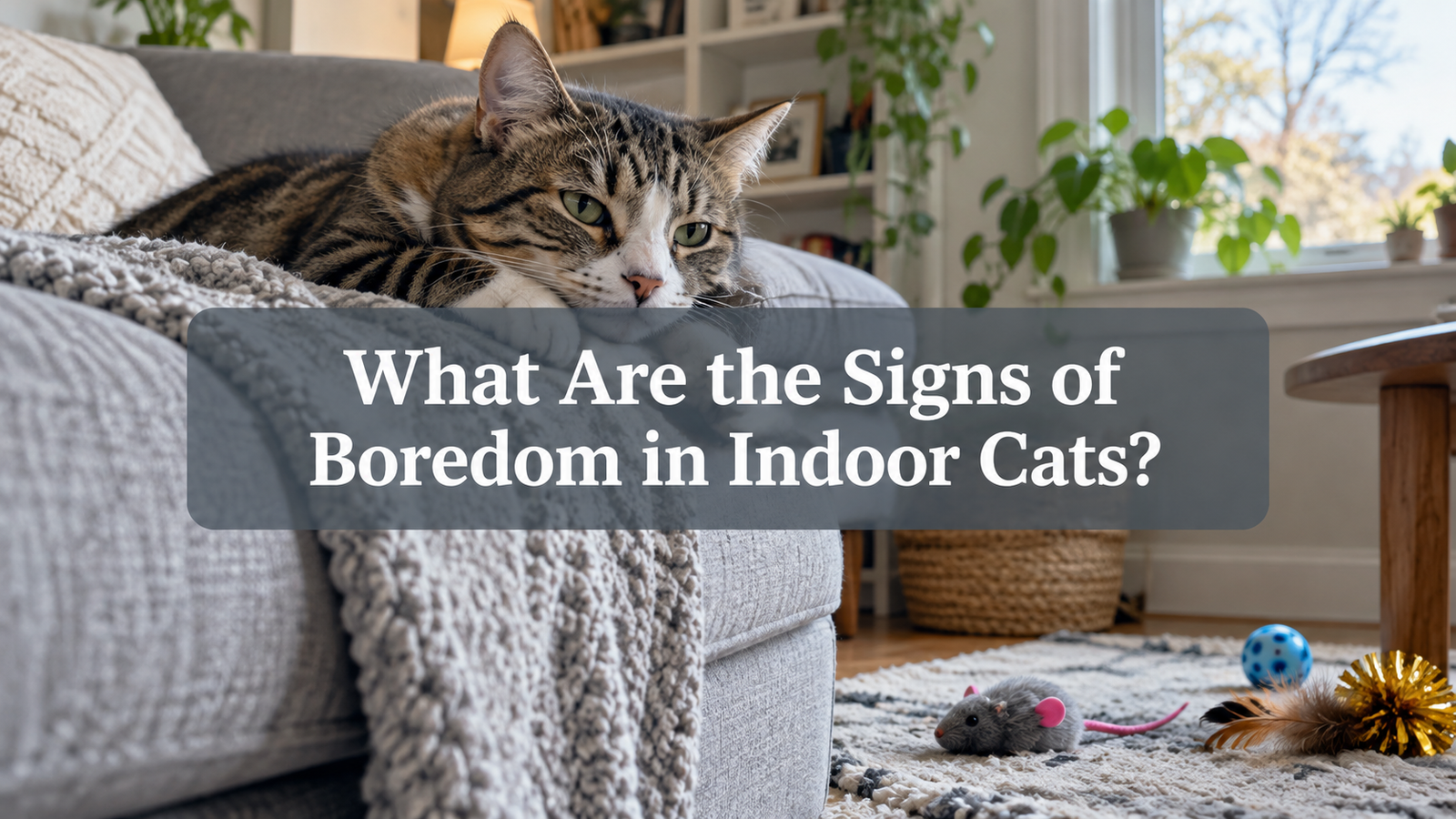
Indoor cats enjoy a comfortable life where they are protected from traffic, harsh weather, and many outdoor dangers. They have regular meals, warm sleeping places, and loving owners who care about their health. However, living indoors does not always mean that a cat is mentally satisfied. Cats have natural instincts that encourage them to explore, hunt, climb, scratch, and investigate their surroundings. When these instincts are not satisfied, indoor cats may experience boredom.
Understanding the signs of boredom in indoor cats is important for maintaining their physical and emotional well being. A bored cat may develop unusual habits, become less active, or behave differently around family members. Some cats become restless, while others spend most of their time sleeping.
Recognizing these changes allows pet owners to provide a more interesting and comfortable living environment. By paying attention to daily behavior, owners can help their cats remain active, curious, and happy.
Why Do Indoor Cats Become Bored?
Cats are naturally curious animals. Even when they live indoors, their instincts encourage them to chase moving objects, explore unfamiliar spaces, and observe activities around them.
In the wild, cats spend considerable time searching for food, investigating their territory, and responding to environmental changes. Indoor cats do not need to hunt for survival because their owners provide food regularly.
Although this makes their lives safer, it can also reduce opportunities for natural activities.
A home without climbing spaces, interactive toys, scratching surfaces, or regular play sessions may become uninteresting.
Cats living alone may experience limited social interaction, especially when their owners spend long hours away from home.
However, every cat has a different personality. Some enjoy quiet environments, while others require more frequent physical and mental activities.
Recognizing individual needs is essential for preventing boredom.
1. Excessive Sleeping and Lack of Activity
One of the possible signs of boredom in indoor cats is spending more time sleeping or resting than usual.
Cats naturally sleep for many hours each day. Adult cats commonly sleep around 12 to 16 hours, although the amount varies depending on age, health, and activity level.
Therefore, sleeping for long periods does not automatically indicate boredom.
The concern begins when a normally playful cat loses interest in activities and spends almost all its waking hours lying in the same place.
A bored cat may wake up, eat, walk around briefly, and return to sleeping without exploring its surroundings.
Owners should observe whether their cat still shows interest in toys, sounds, visitors, and everyday household activities.
A sudden reduction in activity can also indicate illness or pain. Veterinary attention is important when unusual tiredness or weakness appears.
2. Excessive Meowing and Attention Seeking
Some indoor cats respond to boredom by becoming more vocal.
They may follow their owners around the house, meow repeatedly, or make sounds whenever someone enters a room.
This behavior may become especially noticeable when the cat wants attention but cannot find an interesting activity.
For example, a cat may sit near its owner and meow until someone begins playing with it.
Another cat may repeatedly approach a closed door or window while making sounds.
Although vocal behavior can be normal, a noticeable increase may suggest that the cat needs more stimulation.
Owners should remember that excessive meowing can also result from hunger, stress, discomfort, or medical conditions.
Understanding the situation helps determine whether boredom is a likely explanation.
3. Scratching Furniture and Household Objects
Scratching is a natural and necessary behavior for cats.
It allows them to maintain their claws, stretch their muscles, and leave scent marks in their environment.
However, an indoor cat with limited stimulation may scratch furniture more frequently or target unusual objects.
Sofas, carpets, curtains, and wooden furniture may become attractive scratching surfaces.
Some cats repeatedly scratch the same area because they have few suitable alternatives.
Providing sturdy scratching posts and horizontal scratching pads can encourage healthier behavior.
Owners should place these surfaces near areas where their cats already enjoy spending time.
Punishment is not an effective solution because scratching is a normal feline need. Offering appropriate surfaces and rewarding their use is more helpful.
4. Overgrooming and Excessive Licking
Cats spend a considerable amount of time grooming themselves.
Regular grooming helps maintain coat cleanliness and is part of normal feline behavior.
However, excessive licking may sometimes occur when a cat experiences boredom, anxiety, or emotional discomfort.
A cat may repeatedly lick the same body area until the fur becomes thin or patches of skin appear.
Some cats also bite or chew their fur.
This behavior should never be assumed to result from boredom alone.
Skin allergies, parasites, pain, and other medical problems can produce similar symptoms.
If a cat develops bald patches, irritated skin, or unusual grooming habits, a veterinarian should examine it.
After medical causes have been addressed, improving environmental enrichment may help cats whose grooming behavior is associated with stress or insufficient stimulation.
5. Sudden Bursts of Restless Activity
Indoor cats sometimes experience sudden periods of energetic running, commonly called zoomies.
They may race through rooms, jump onto furniture, or chase imaginary objects.
Occasional zoomies are completely normal and can be part of healthy feline behavior.
However, frequent restless activity combined with other behavioral changes may indicate that a cat has limited opportunities to release its energy.
Cats need activities that allow them to practice chasing, jumping, and hunting movements.
Without regular play, some cats may become especially active during the evening or nighttime.
Interactive toys can provide an appropriate outlet for this energy.
Short play sessions that imitate the movements of prey are particularly useful for keeping indoor cats engaged.

6. Chewing or Playing With Inappropriate Objects
Another possible sign of boredom in indoor cats is repeatedly playing with unsuitable household items.
A cat may chew cardboard, pull at curtains, knock small objects from shelves, or investigate electrical cords.
Some cats appear to create their own entertainment when suitable toys are unavailable.
Although curiosity is normal, repeated destructive behavior may suggest insufficient mental stimulation.
Chewing or swallowing nonfood materials can also be associated with medical or behavioral problems.
Electrical wires, strings, plastic pieces, and small household objects can cause serious injuries if chewed or swallowed.
Owners should remove dangerous objects and provide safe alternatives.
Food puzzles, durable cat toys, and supervised play sessions can encourage more appropriate activity.
7. Increased Aggression During Play
Bored indoor cats may sometimes become overly energetic during interactions with people.
They may suddenly grab their owner’s hands, chase moving feet, or bite during play.
This can happen when a cat has limited opportunities to practice its natural hunting behavior.
For example, a cat that spends the entire day without stimulation may become extremely excited when its owner returns home.
The animal may direct its energy toward hands, ankles, or clothing.
Owners should avoid using their hands as toys because this can encourage unwanted biting.
Instead, wand toys and other interactive play objects allow cats to chase and capture moving targets safely.
Aggression can also result from fear, pain, or other behavioral concerns. Persistent or sudden aggression should receive professional attention.
8. Loss of Interest in Toys and Surroundings
A mentally stimulated cat usually shows curiosity about at least some activities in its environment.
However, bored cats may gradually lose interest in toys that remain unchanged for long periods.
A cat may ignore a toy that previously attracted its attention or stop exploring familiar spaces.
This does not necessarily mean that the cat dislikes playing.
Sometimes, the same activity becomes predictable and no longer provides enough excitement.
Rotating toys can help restore interest.
Instead of leaving every toy available throughout the day, owners can introduce a small selection and change it regularly.
Different textures, shapes, and movements can make playtime more engaging.
If a cat suddenly loses interest in all activities, especially alongside appetite or energy changes, veterinary advice is important.
9. Excessive Eating and Food Seeking
Some indoor cats become more focused on food when they have limited opportunities for entertainment.
They may repeatedly visit their food bowls, beg for treats, or follow family members into the kitchen.
Food can become one of the few interesting events in their daily routine.
However, increased appetite is not always related to boredom.
Certain medical conditions, including diabetes and hyperthyroidism, can cause changes in hunger.
Owners should monitor food intake and body weight rather than providing additional treats whenever their cat requests attention.
Puzzle feeders can make mealtimes more interesting by encouraging cats to work for their food.
Measured portions and an appropriate feeding schedule help maintain a healthy weight.
10. Constantly Looking Outside or Trying to Escape
Many indoor cats enjoy watching birds, insects, people, and moving vehicles through windows.
This behavior is natural and does not necessarily mean a cat is unhappy.
However, some cats repeatedly attempt to escape through doors or become extremely restless near windows.
This may indicate a desire for additional exploration or stimulation.
Cats can benefit from safe opportunities to observe outdoor environments without being exposed to unnecessary risks.
A comfortable window perch can provide visual entertainment.
Secure outdoor enclosures, often called catios, are another option for owners with suitable space.
Some cats can also learn to explore outdoors using a properly fitted harness and gradual training.
Outdoor access should always be planned with safety in mind.
11. Repetitive Pacing and Unusual Behavior
Repetitive behavior may sometimes develop when an animal experiences long periods of frustration or insufficient stimulation.
An indoor cat may repeatedly walk along the same route, circle an area, or perform a particular movement without an obvious purpose.
These behaviors are not common signs of ordinary boredom and deserve careful attention.
Repetitive pacing may also be associated with anxiety, pain, cognitive changes, or neurological problems.
Owners should observe when the behavior occurs and whether it is accompanied by other symptoms.
Recording a short video can help a veterinarian evaluate unusual movements.
Environmental enrichment may be useful in some cases, but medical explanations should be investigated first.
How Can Pet Owners Prevent Boredom in Indoor Cats?
Preventing boredom involves creating opportunities for cats to express their natural instincts.
A stimulating indoor environment does not need to be expensive or complicated. Small improvements can make everyday life more interesting.
Provide Daily Interactive Play
Regular play is one of the most effective ways to support an indoor cat’s mental and physical health.
Wand toys, soft balls, and moving toys encourage natural hunting movements.
Many cats enjoy several short play sessions rather than one long session.
Owners can adjust playtime according to their cat’s age, health, and energy level.
Create Vertical Climbing Spaces
Cats often enjoy observing their surroundings from elevated positions.
Cat trees, secure shelves, and window perches provide opportunities for climbing and resting.
Vertical spaces can be especially valuable in smaller homes because they increase the usable area without requiring additional floor space.
Use Puzzle Feeders
Puzzle feeders encourage cats to solve simple problems to obtain food.
These activities provide mental stimulation and can make ordinary meals more interesting.
Owners should introduce puzzles gradually so their cats do not become frustrated.
The food used in puzzles should be included in the cat’s normal daily allowance.
Rotate Toys Regularly
Leaving the same toys available every day may reduce their novelty.
Changing toys periodically can help maintain curiosity.
Owners can offer different safe toys throughout the week while keeping favorite comfort items available.
Provide Safe Hiding Places
Cats need private spaces where they can rest without disturbance.
Cardboard boxes, covered beds, and quiet corners can provide security.
A comfortable environment should include opportunities for both activity and relaxation.
Spend Quality Time Together
Human interaction can be an important source of enrichment for many indoor cats.
Playing, gentle brushing, and allowing the cat to approach voluntarily can strengthen the relationship between pets and owners.
Some cats enjoy frequent social interaction, while others prefer shorter periods of attention.
Respecting individual preferences helps build trust.
When Should Cat Owners Consult a Veterinarian?
Although boredom can contribute to behavioral changes, similar symptoms may develop because of illness or discomfort.
Owners should contact a veterinarian when their cat suddenly becomes inactive, stops eating normally, develops excessive grooming habits, or shows unexpected aggression.
Changes in drinking, urination, body weight, or litter box habits also require attention.
Difficulty urinating, repeated attempts to urinate without producing urine, or signs of severe pain require urgent veterinary care.
A veterinarian can help distinguish medical problems from behavioral concerns.
Once health issues have been ruled out or treated, owners can focus more confidently on environmental improvements.
Frequently Asked Questions
Can Indoor Cats Become Bored Even With Plenty of Toys?
Yes. Cats may become bored when toys remain unchanged or do not encourage natural behaviors. Interactive play, climbing opportunities, and puzzle feeders can provide additional stimulation.
Is Sleeping All Day a Sign of Boredom in Cats?
Not necessarily. Cats naturally sleep for many hours. However, a sudden change in sleeping habits or a noticeable loss of interest in normal activities may require veterinary evaluation.
Do Indoor Cats Need Human Attention Every Day?
Many indoor cats benefit from daily interaction, although their social preferences vary. Regular play and gentle attention can support emotional well being and help prevent boredom.
Can Having Another Cat Prevent Boredom?
A compatible companion may provide social interaction for some cats, but introducing another cat does not guarantee happiness. Some cats prefer living alone, and an unsuitable introduction can create stress.
What Is the Best Way to Entertain an Indoor Cat?
Combining interactive play, climbing spaces, scratching posts, puzzle feeders, and safe observation areas is often more effective than relying on a single activity.
Conclusion
Understanding the signs of boredom in indoor cats helps pet owners recognize when their animals may need additional mental and physical stimulation.
Excessive attention seeking, unusual scratching, restless behavior, reduced interest in activities, and inappropriate object chewing may sometimes indicate boredom. However, these behaviors can also have medical or emotional causes.
The most effective approach is to observe changes in normal behavior, provide suitable enrichment, and seek veterinary guidance whenever concerning symptoms appear.
A healthy indoor environment should offer opportunities for playing, climbing, scratching, exploring, and resting.
By making small improvements to daily routines, pet owners can help their indoor cats enjoy a safer, more active, and more fulfilling life.