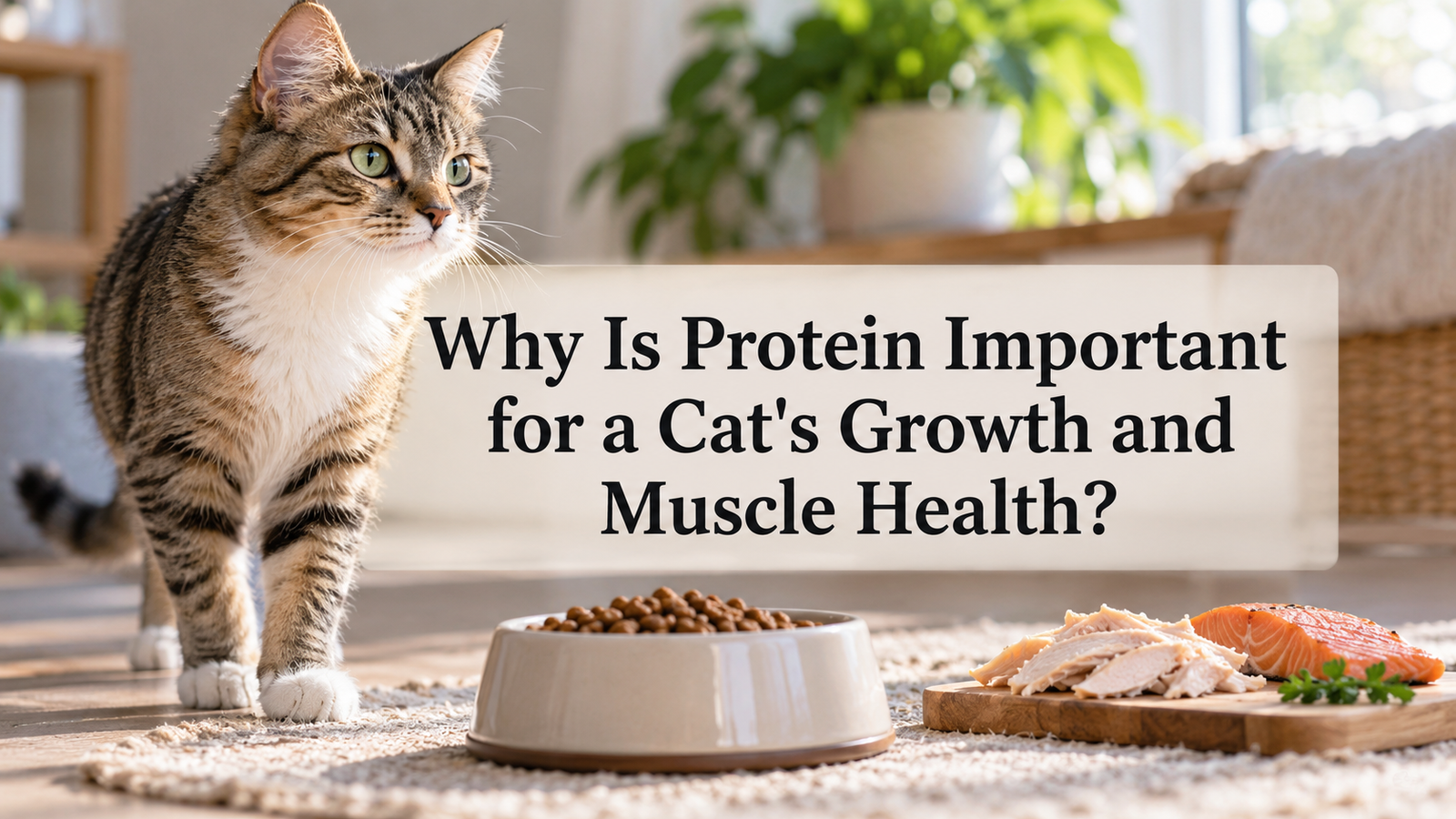
Protein is one of the most important nutrients in a cat’s daily diet. It supports healthy growth, helps build strong muscles, repairs body tissues, and maintains several essential functions. Whether a cat is a playful kitten, an active adult, or a senior pet, getting the right amount of protein is necessary for maintaining good health.
Cats have different nutritional needs compared to many other household pets. They are obligate carnivores, which means their bodies are naturally adapted to obtain essential nutrients from animal based foods. Their digestive systems are designed to use protein efficiently, making it a major part of their nutritional requirements.
Understanding the importance of protein for cats can help pet owners make better feeding decisions. A balanced diet containing high quality protein supports muscle development, energy, immunity, and overall physical condition.
Understanding the Role of Protein in a Cat’s Body
Protein is made up of smaller components called amino acids. These amino acids act as building materials for different parts of the body, including muscles, skin, organs, and other tissues.
When a cat eats protein rich food, its digestive system breaks the protein into amino acids. The body then uses these nutrients to develop new tissues, maintain existing structures, and repair damaged cells.
Protein also contributes to the production of enzymes, hormones, and antibodies that support normal body functions.
Unlike some animals, cats have a relatively high requirement for dietary protein because their bodies continuously use amino acids for essential metabolic processes.
This is why protein for cats should be considered a fundamental part of everyday nutrition rather than simply an ingredient that improves muscle size.
Why Do Cats Need More Protein Than Many Other Pets?
Cats evolved as hunters that consumed small prey animals. Their natural diets provided significant amounts of animal protein, along with fat and other essential nutrients.
Because of this evolutionary background, cats developed metabolic systems that depend heavily on amino acids.
Dogs can adapt to a wider range of food sources, but cats require certain nutrients that are naturally available in animal tissues.
One important example is taurine, an essential amino acid related nutrient that supports heart function, vision, reproduction, and other important processes.
Cats also need adequate amounts of arginine, which helps the body process nitrogen produced during protein metabolism.
A shortage of essential amino acids can affect health even when a cat consumes enough calories.
Therefore, choosing suitable protein sources is just as important as providing an adequate amount of food.
How Protein Supports Healthy Kitten Growth
The kitten stage is one of the most important periods of physical development. During the first year of life, most kittens experience rapid growth as their muscles, bones, organs, and other tissues develop.
Protein provides essential amino acids needed to build these structures.
A growing kitten needs more protein relative to its calorie intake than an adult cat because its body is developing new tissues while also maintaining existing ones.
Adequate protein supports several important areas of kitten development.
Muscle Formation
Kittens gradually develop stronger muscles as they begin walking, running, jumping, and exploring their surroundings.
Protein provides the amino acids needed to form new muscle tissue.
Organ Development
Internal organs, including the heart, liver, and kidneys, require protein for normal growth and tissue maintenance.
Healthy Skin and Coat
A kitten’s skin and developing coat depend on protein for normal structure and growth.
Immune System Development
Protein supports the formation of antibodies and other components involved in immune protection.
Pet owners should select food specifically formulated for kitten growth rather than relying entirely on adult cat food.
Why Protein Is Essential for Muscle Health in Cats
Muscles allow cats to move, maintain balance, climb, jump, and perform everyday activities.
Protein plays a central role in maintaining these muscles.
Muscle tissue continuously undergoes natural processes of breakdown and rebuilding. Dietary amino acids help replace proteins that are broken down during normal activity and metabolism.
When cats receive adequate nutrition, their bodies can maintain healthy muscle tissue more effectively.
Insufficient protein may contribute to muscle loss, especially when combined with illness, aging, or inadequate calorie intake.
Strong muscles also support joints, posture, and physical mobility.
For indoor cats, maintaining muscle health remains important even when their daily activity levels are lower than those of outdoor cats.
Regular play, appropriate exercise, and balanced nutrition all contribute to healthy muscle development.
How Protein Helps Repair Body Tissues
Cats naturally experience small amounts of tissue damage through normal physical activity.
Running, jumping, climbing, and playing place demands on muscles and other body structures.
Protein provides the amino acids required for normal tissue repair.
It also supports the formation of collagen and other structural proteins involved in maintaining tissues throughout the body.
When a cat is recovering from an injury or surgery, nutritional needs may change depending on the condition and recovery process.
Veterinarians may recommend a specific diet to provide adequate calories, protein, and other nutrients.
However, owners should not automatically increase protein intake during illness without professional guidance.
The most suitable diet depends on the cat’s overall health and medical needs.
Best Sources of Protein for Cats
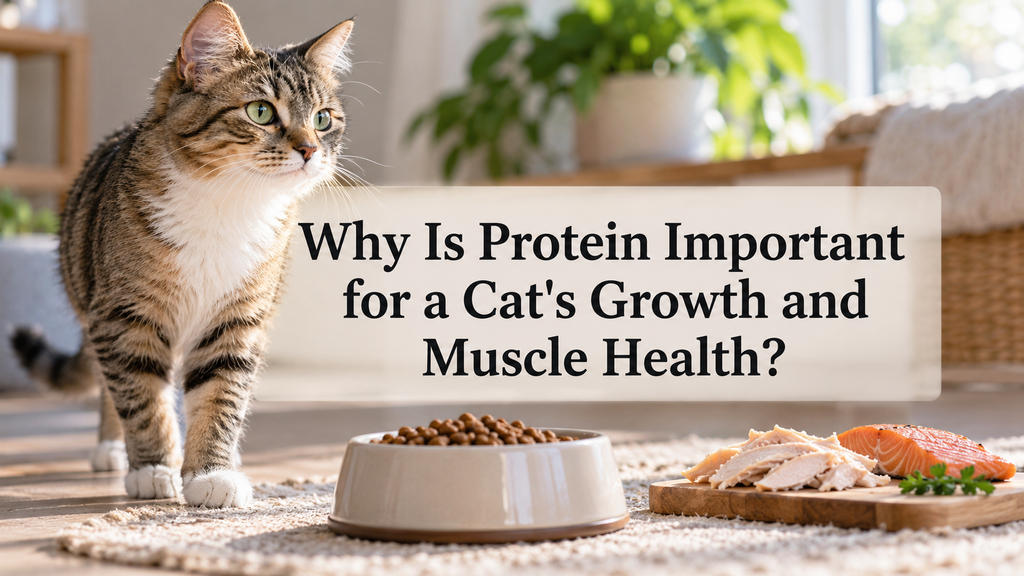
Choosing high quality protein sources helps cats obtain essential amino acids needed for normal growth and muscle maintenance.
Animal based ingredients are particularly valuable because they can provide amino acid profiles suited to feline nutritional requirements.
Some commonly used protein sources in commercial cat foods include:
Chicken
Chicken is widely used in cat food because it provides protein and several essential amino acids.
It can be included in balanced wet or dry cat food formulations.
Turkey
Turkey provides dietary protein and can be another suitable ingredient in nutritionally complete cat food.
Fish
Fish contains protein and may provide beneficial fatty acids, depending on the species.
However, cats should not depend entirely on fish alone because an unbalanced fish based diet may fail to supply all required nutrients.
Beef
Beef provides protein and nutrients such as iron and vitamin B12.
It can contribute to a balanced feline diet when properly formulated.
Eggs
Cooked eggs contain highly digestible protein and several useful nutrients.
They may be offered occasionally in small amounts, but they should not replace complete cat food.
Although these ingredients contain valuable protein, feeding individual foods does not automatically create a balanced diet.
Commercial foods labeled complete and balanced for the cat’s life stage are generally a more reliable nutritional foundation.
The Importance of Protein Quality
The nutritional value of protein depends on more than the amount shown on a food label.
Protein quality is influenced by amino acid composition, digestibility, and how effectively the cat can use the nutrients.
A food may contain a high percentage of crude protein without necessarily providing the ideal balance of essential amino acids.
For this reason, pet owners should not judge cat food quality by protein percentage alone.
A properly formulated diet considers the cat’s need for essential amino acids, vitamins, minerals, fats, and adequate calories.
Both wet and dry cat foods can provide suitable protein when manufactured according to recognized nutritional standards.
Checking whether the food is complete and balanced for growth, adult maintenance, or all life stages is an important step.
How Much Protein Does a Cat Need Daily?
The amount of protein a cat needs depends on several factors, including age, body weight, activity level, life stage, and health condition.
Kittens generally need a higher protein concentration in their diet because they are actively growing.
Adult cats need enough protein to maintain muscles and support normal metabolic functions.
Senior cats may also benefit from adequate amounts of highly digestible protein to help preserve lean body mass.
According to AAFCO nutrient profiles, the minimum crude protein level for complete cat foods is 30 percent of dry matter for growth and reproduction and 26 percent for adult maintenance.
These are minimum formulation standards, not ideal targets for every individual cat.
Wet foods contain substantial moisture, so their protein percentages cannot be compared directly with dry food percentages without accounting for water content.
Pet owners should follow suitable feeding guidelines and consult a veterinarian when their cat has special nutritional requirements.
What Happens When Cats Do Not Get Enough Protein?
Protein deficiency can interfere with several important body functions.
The effects may develop gradually, depending on the severity and duration of the nutritional shortage.
Possible signs include:
- Loss of muscle mass and reduced physical strength.
- Poor growth in kittens.
- Unhealthy or dull looking fur.
- Unexplained weight loss.
- Reduced activity or weakness.
- Delayed tissue repair and poor overall condition.
These symptoms are not unique to protein deficiency. They can also occur with infections, digestive disorders, hormonal conditions, and other health problems.
A veterinarian should evaluate cats showing unexplained weight loss, weakness, or visible muscle loss.
Owners should avoid treating suspected deficiencies by giving large quantities of meat or protein supplements without understanding the underlying problem.
Protein and Healthy Weight Management
Maintaining a healthy weight is important for a cat’s long term well being.
Protein helps maintain lean muscle tissue, which is particularly valuable during controlled weight management.
When overweight cats lose weight, the goal should be to reduce excess body fat while preserving healthy muscles.
Adequate protein, appropriate calorie intake, and regular physical activity can support this process.
However, even high protein food can lead to weight gain when a cat consumes more calories than it needs.
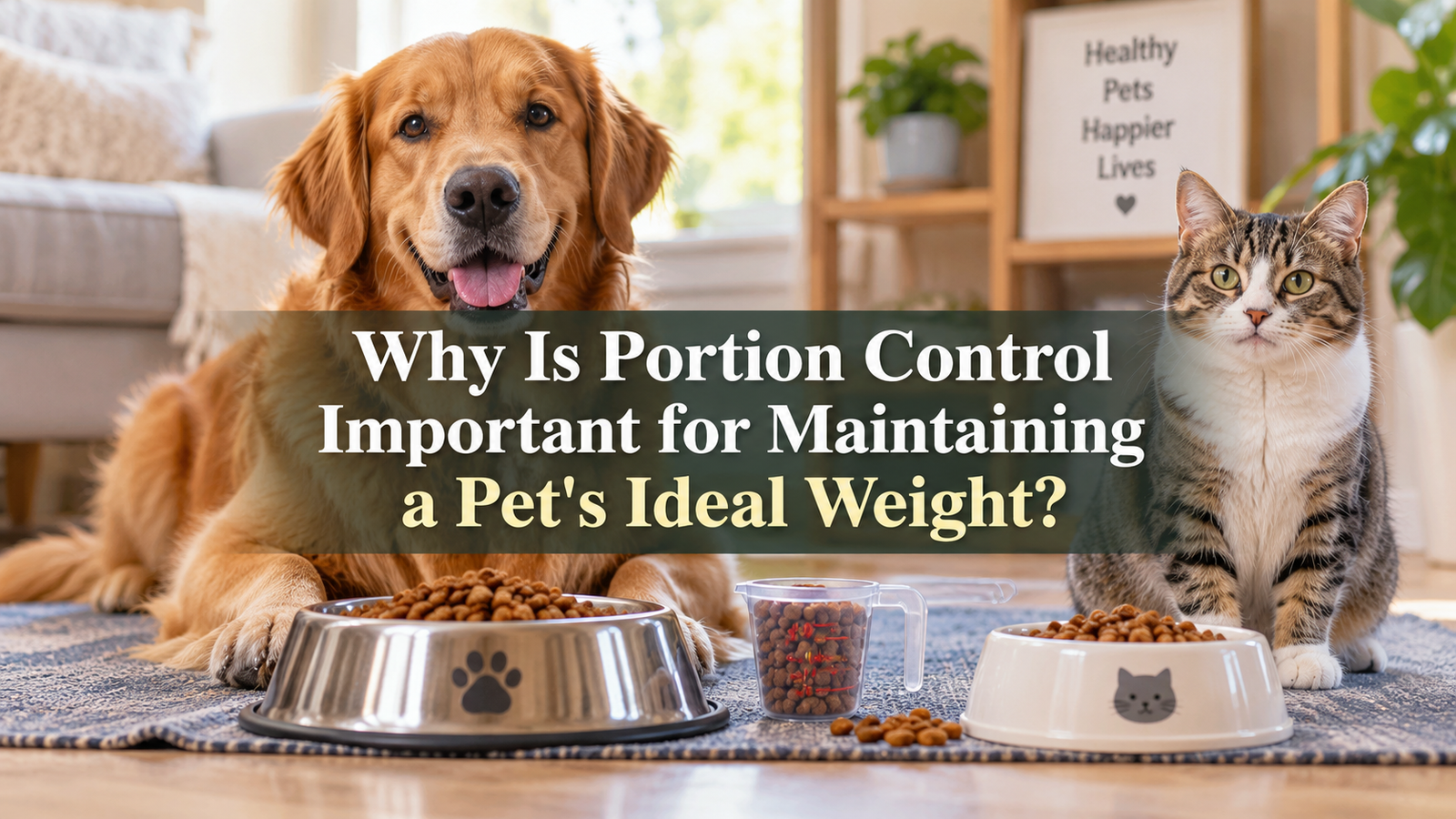
Portion control is therefore essential.
Owners should monitor body condition rather than relying only on the number displayed on a weighing scale.
A veterinarian can help determine an appropriate target weight and feeding plan.
Is Protein Important for Senior Cats?
As cats age, their bodies may experience changes in muscle mass, activity levels, digestion, and overall health.
Some older cats gradually lose muscle through a process associated with aging.
Adequate dietary protein can help support muscle maintenance, especially when combined with sufficient calorie intake.
Protein digestibility also becomes important because some senior cats may have difficulty maintaining their body condition.
However, older cats can develop medical conditions requiring individualized nutritional management.
For example, certain cats with chronic kidney disease may benefit from a veterinary renal diet that controls protein quantity while providing essential amino acids.
Protein should not be restricted simply because a cat is getting older.
Dietary decisions should reflect the animal’s actual health status and veterinary recommendations.
Can Too Much Protein Harm a Cat?
Healthy cats are adapted to diets containing substantial amounts of protein.
However, more protein does not automatically mean better health.
A balanced diet must provide appropriate amounts of energy, fat, essential fatty acids, vitamins, and minerals.
Feeding excessive amounts of plain meat can create nutritional imbalances because meat alone does not provide all the nutrients a cat requires in suitable proportions.
Cats with certain medical conditions may also need carefully controlled protein intake.
Protein powders and supplements intended for humans should not be given to cats unless recommended by a veterinarian.
The objective is to provide enough high quality protein within a complete and balanced diet rather than simply choosing the highest possible protein percentage.
Practical Tips for Choosing Protein Rich Cat Food
Selecting suitable food becomes easier when owners understand what to look for on a product label.
Start by checking the nutritional adequacy statement. It should indicate that the food is complete and balanced for the cat’s appropriate life stage.
Next, review the ingredients and nutritional information.
Choose food from a reliable manufacturer that follows recognized nutritional formulation and quality control practices.
Consider your cat’s age, body condition, activity level, and any diagnosed medical concerns.
Wet food may provide additional moisture, while dry food offers convenience. Either option can support healthy muscle maintenance when nutritionally appropriate.
Introduce new foods gradually to reduce the risk of digestive upset.
Also remember that fresh drinking water should always be available.
Regular veterinary examinations can help identify changes in weight, muscle condition, or nutritional requirements.
Frequently Asked Questions About Protein for Cats
Is Chicken a Good Protein Source for Cats?
Yes. Chicken contains protein and essential amino acids that support muscle maintenance and normal body functions. It is suitable as an ingredient in complete cat food. Plain cooked chicken can also be an occasional treat, but it should not replace a balanced diet.
Do Indoor Cats Need Protein?
Yes. Indoor cats need adequate protein even if they spend less time running or hunting. Protein supports muscles, tissue repair, skin health, and essential metabolic processes regardless of lifestyle.
Can Kittens Eat Adult Cat Food?
Kittens should generally eat food formulated for growth or all life stages. Adult maintenance diets may not provide the nutrient balance required during rapid development.
Does Protein Help Cats Maintain Strong Muscles?
Yes. Protein supplies essential amino acids used to build, repair, and maintain muscle tissue. Appropriate exercise and sufficient calories are also necessary for healthy muscles.
Are Protein Supplements Necessary for Cats?
Most healthy cats eating complete and balanced commercial food do not need additional protein supplements. Supplements should only be used when recommended by a veterinarian.
Conclusion
Protein is essential for a cat’s growth, muscle health, tissue repair, and overall physical well being. It provides the amino acids needed to build strong muscles, maintain healthy organs, support immune functions, and keep the body working properly.
From the early stages of kitten development to the later years of life, adequate protein remains an important part of feline nutrition.
However, good nutrition involves more than providing large amounts of meat or selecting food with the highest protein percentage. Cats need a complete and balanced diet that delivers the right combination of protein, fats, vitamins, minerals, and calories.
By choosing appropriate cat food, monitoring body condition, encouraging physical activity, and seeking veterinary advice when necessary, pet owners can help their cats maintain strong muscles and enjoy healthy, active lives.