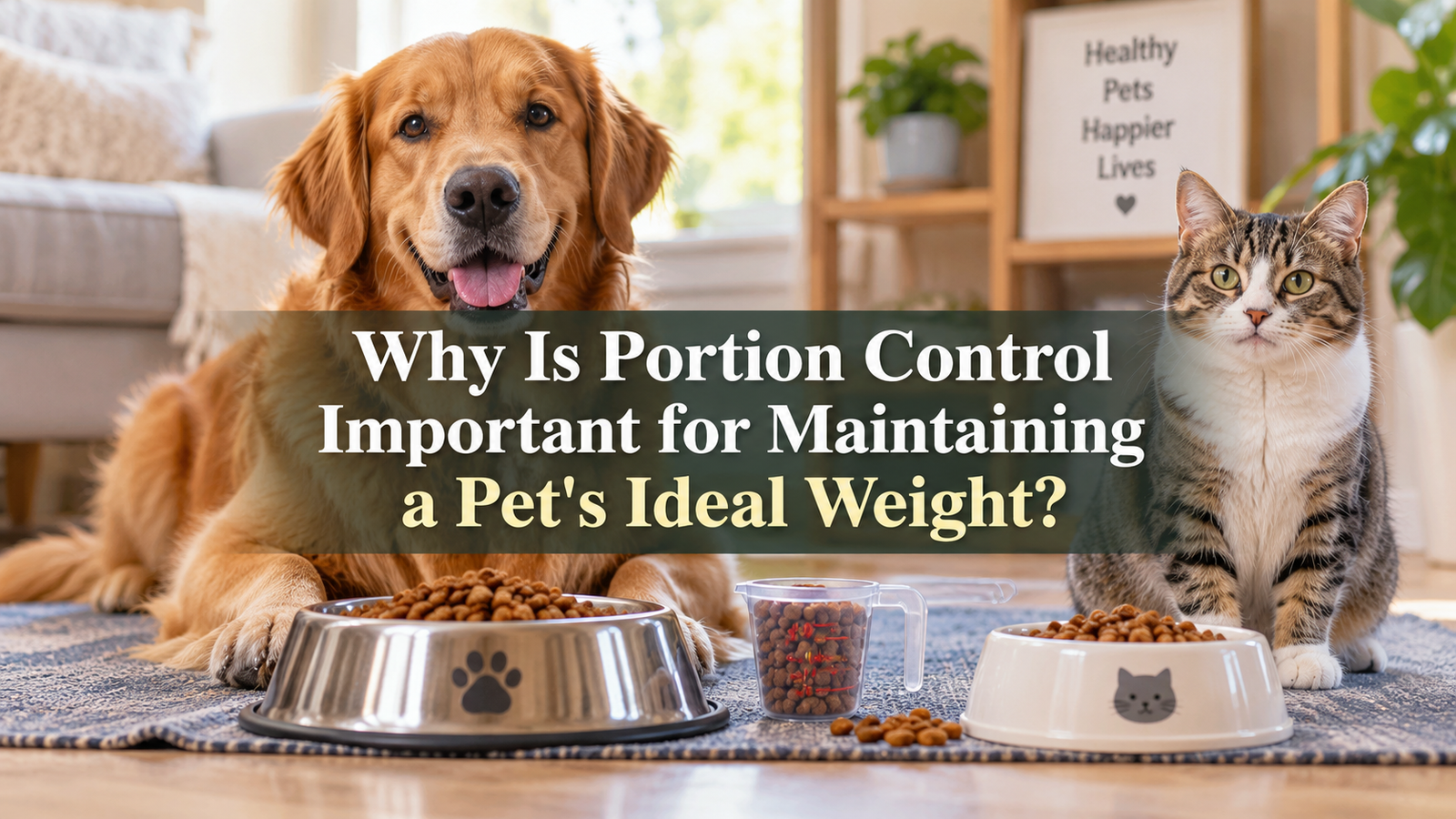
Keeping a pet healthy involves much more than providing good food and a comfortable place to live. One of the most important responsibilities of a pet owner is making sure their animal receives the right amount of food every day. Many dogs and cats gain unnecessary weight because they eat larger portions than their bodies actually need. This can happen even when the food itself is nutritious.
Portion control for pets is a simple but effective way to support healthy body weight, improve digestion, and reduce the risk of weight related health problems. Every pet has different nutritional requirements depending on its age, breed, activity level, body condition, and overall health.
Understanding how much food your pet needs can make a noticeable difference in its daily energy and long term well being. By developing consistent feeding habits, pet owners can help their animals enjoy healthier and more active lives.
What Is Portion Control in Pet Feeding?
Portion control means giving a pet a carefully measured amount of food rather than allowing it to eat unlimited quantities throughout the day.
The purpose is not to make an animal hungry. Instead, it is to provide enough energy and nutrients while preventing excessive calorie consumption.
For example, a small indoor dog generally requires fewer calories than a large working dog that spends several hours exercising. Similarly, an indoor cat may need less food than a highly active outdoor cat.
Pet owners should understand that feeding portions depend on individual nutritional needs rather than appearance or appetite alone.
A pet may continue asking for food even after consuming enough calories. This behavior does not always mean the animal needs another meal.
Healthy pet feeding habits involve maintaining a balance between calorie intake, physical activity, and nutritional quality.
Why Is Maintaining an Ideal Weight Important for Pets?
A healthy body weight allows pets to move comfortably and perform normal daily activities without unnecessary stress on their bodies.
When pets become overweight, additional body fat can place pressure on their joints and contribute to several health concerns.
Common problems associated with excessive weight include:
- Reduced mobility and difficulty exercising.
- Increased risk of joint problems.
- Greater chances of developing diabetes, particularly in cats.
- Reduced stamina during physical activities.
- Increased difficulty tolerating hot weather.
- Greater risks during anesthesia and certain medical procedures.
Maintaining an ideal weight may also improve a pet’s overall comfort and quality of life.
However, the ideal weight is not identical for every animal. Two dogs of similar height may have different healthy weights because of differences in body structure and muscle development.
Veterinarians often use body condition scoring to determine whether a pet is underweight, overweight, or within a healthy range.
How Does Portion Control Prevent Pet Obesity?
Pet obesity develops when animals consistently consume more calories than their bodies use.
The unused energy can eventually be stored as body fat.
Even a small amount of extra food every day may contribute to gradual weight gain over several months.
For instance, giving additional biscuits, leftover meat, or frequent snacks may seem harmless. However, these foods can significantly increase a pet’s daily calorie intake.
Portion control helps prevent this problem by keeping feeding quantities consistent and appropriate.
Measuring regular meals also makes it easier to identify how much additional food a pet receives through treats.
The goal is to maintain a healthy energy balance without compromising the nutritional value of the diet.
How Much Food Should a Pet Eat Every Day?
There is no single feeding quantity suitable for every dog or cat.
Daily food requirements depend on several factors, including body weight, age, activity level, reproductive status, health conditions, and the calorie content of the food.
A pet that spends most of the day resting may require fewer calories than an animal that regularly runs, plays, or participates in physical training.
Growing puppies and kittens also have different nutritional requirements from adult animals.
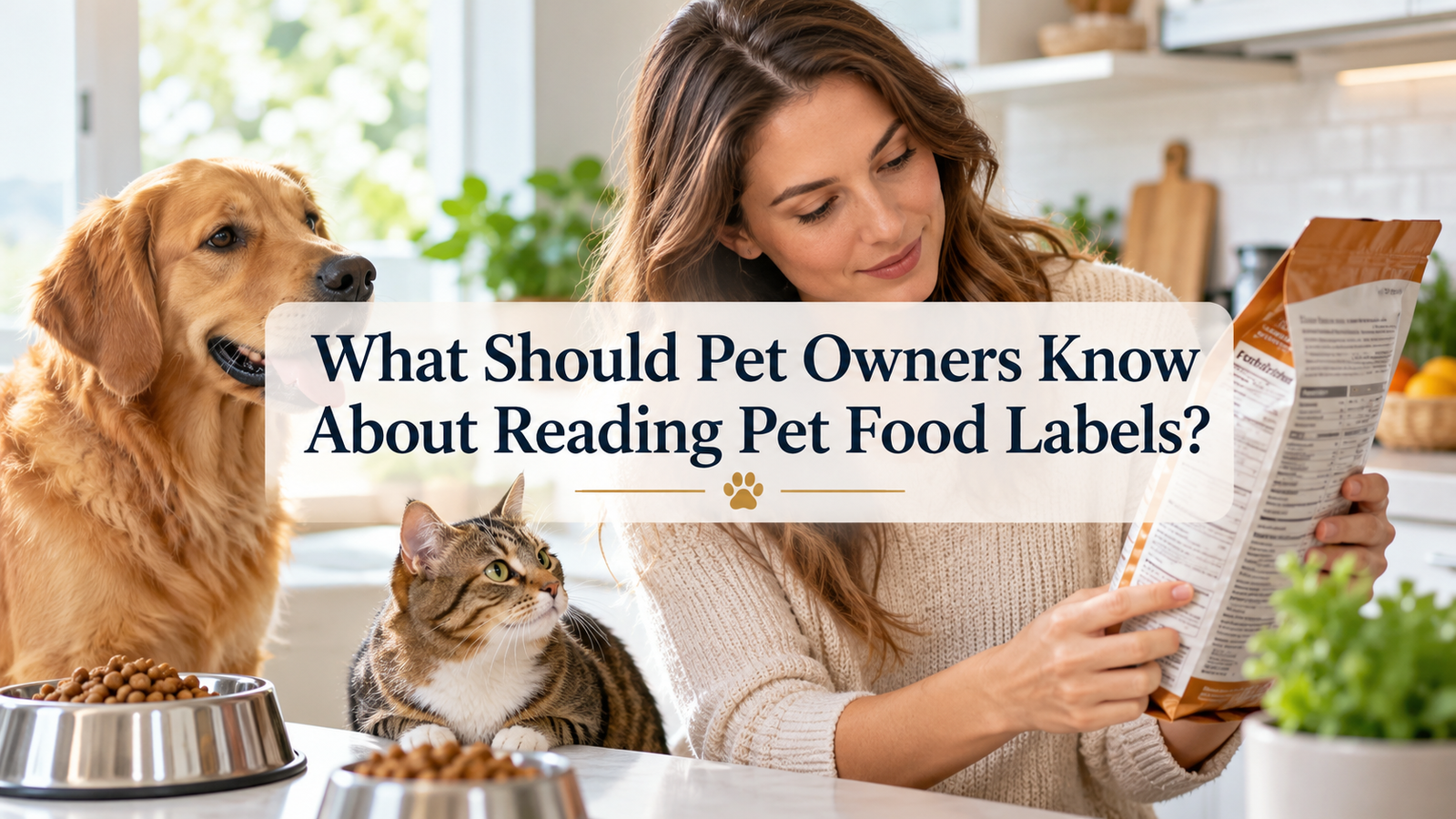
Pet food manufacturers usually provide feeding instructions on their packaging. These recommendations can serve as a useful starting point.
However, they are general guidelines rather than exact requirements for every pet.
Owners should monitor their pet’s body condition and consult a veterinarian when deciding whether portions need adjustment.
Using a kitchen scale can make daily food measurements more accurate, particularly when feeding dry food.
Why Is Measuring Pet Food Better Than Guessing?
Many pet owners estimate food portions by filling a bowl without measuring the quantity.
Although this method may appear convenient, it can lead to inconsistent feeding amounts.
A bowl that looks half full may contain different quantities depending on the size and shape of the food pieces.
Dry food brands also differ in calorie density. One cup of one product may contain considerably more calories than the same volume of another.
Measuring food by weight provides greater accuracy than estimating portions visually.
For example, if a veterinarian recommends a particular daily quantity, weighing that amount helps prevent accidental overfeeding.
It also makes feeding routines easier for family members to follow.
Consistent measurements are especially useful for pets that need careful weight management.
How Does a Pet’s Age Affect Portion Size?
A pet’s nutritional needs change throughout its life.
Puppies and Kittens
Young animals require sufficient nutrients and calories to support growth, bone development, and muscle formation.
Because their bodies are developing rapidly, they often need specially formulated growth diets and more frequent meals.
Restricting food excessively during this period can affect healthy development.
Portions should follow the needs of the growing animal rather than adult weight management guidelines.
Adult Pets
Adult dogs and cats usually benefit from a regular feeding schedule with portions matched to their energy requirements.
Their calorie needs may change if their activity level increases or decreases.
Senior Pets
Older pets may become less active and experience changes in muscle mass or metabolism.
Some require fewer calories, while others need specialized nutrition because of medical conditions or difficulty maintaining weight.
Portion adjustments should therefore depend on individual health and body condition.
Why Should Pet Owners Avoid Free Feeding?
Free feeding means leaving food available throughout the day so a pet can eat whenever it wants.
Although this approach works for some animals, it can make portion control difficult.
Pets that frequently eat out of boredom or have strong appetites may consume excessive calories when food is constantly available.
Scheduled meals offer several advantages.
They allow owners to monitor appetite, measure food consumption, and establish consistent routines.
Scheduled feeding can also help identify changes in eating behavior that might indicate a health problem.
For households with multiple pets, individual meals help prevent one animal from eating another pet’s food.
However, feeding schedules should be adapted to the animal’s age, medical needs, and behavior.
Can Treats Cause Unwanted Weight Gain?
Treats are commonly used for training, rewarding good behavior, and strengthening relationships with pets.
However, frequent treats can become a hidden source of excess calories.
Even small snacks may contribute significantly to daily energy intake, particularly for smaller animals.
A useful general guideline is to keep treats and other extras within approximately 10 percent of a pet’s daily calorie allowance.
The remaining calories should come from a complete and balanced diet.
Pet owners can also use a small portion of their animal’s regular food as training rewards.
This approach helps reduce additional calorie consumption while allowing positive reinforcement.
Treats should be counted as part of the daily feeding plan rather than considered separate from regular meals.
How Does Portion Control Support Better Digestion?
Appropriate meal sizes can support comfortable digestion and help prevent problems associated with excessive food consumption.
Eating a large quantity of food at once may cause discomfort, vomiting, or digestive upset in some animals.
Smaller, appropriately spaced meals may be beneficial for certain pets, depending on their age, breed, and medical needs.
Dogs that eat rapidly may also benefit from slow feeding bowls or food puzzles.
These tools encourage slower eating and provide mental stimulation.
It is important to understand that portion control alone does not prevent every digestive problem.
Persistent vomiting, diarrhea, abdominal swelling, or sudden appetite changes require veterinary attention.
What Are the Signs That a Pet Is Overweight?
Recognizing early weight gain allows owners to make feeding adjustments before excessive body fat becomes a serious concern.
Common signs of possible excess weight include difficulty feeling the ribs beneath a thick layer of fat, reduced waist definition, and a rounded body shape.
Some animals may also become less interested in physical activity or tire more easily during walks.
However, appearance alone cannot always determine whether a pet is overweight.
Long fur, breed characteristics, and natural body structure can make visual assessment difficult.
A veterinarian can evaluate body condition and muscle condition to determine whether weight loss is necessary.
Regular weighing can also help owners identify gradual changes that might otherwise go unnoticed.
How Can Pet Owners Practice Portion Control at Home?
Developing a consistent feeding routine does not have to be complicated.
The following habits can make daily portion management easier.
1. Follow an Appropriate Feeding Guide
Start with the feeding recommendations provided by the pet food manufacturer.
Adjust the quantity according to veterinary advice, body condition, and activity level.
2. Measure Every Meal
Use a digital kitchen scale or an accurate measuring method to avoid accidental overfeeding.
3. Establish Regular Meal Times
Create a feeding schedule suited to the pet’s age and nutritional needs.
4. Monitor Treat Consumption
Include snacks and training rewards within the daily calorie allowance.
5. Check Body Condition Regularly
Observe changes in body shape and monitor weight over time.
6. Encourage Physical Activity
Combine appropriate feeding with walks, interactive games, and other suitable activities.
7. Make Changes Gradually
Avoid sudden or extreme reductions in food quantity.
A veterinarian can recommend a safe feeding plan when weight loss is needed.
Why Is Exercise Important Along With Portion Control?
Portion control and physical activity work together to support healthy weight management.
Food provides energy, while movement helps animals use that energy and maintain physical fitness.
Dogs may benefit from regular walks, supervised play, and activities appropriate for their breed and health.
Cats can remain active through climbing structures, interactive toys, and short hunting style games.
Exercise also provides mental stimulation and may help reduce boredom related eating.
However, increasing physical activity does not mean a pet should receive unlimited extra food.
The amount of food should reflect its actual energy needs.
Overweight pets or animals with existing health problems may require a gradual exercise plan developed with veterinary guidance.
Common Portion Control Mistakes Pet Owners Should Avoid
Even caring and attentive owners can make feeding mistakes.
One common mistake is assuming that all pet foods have the same calorie content. Switching brands without reviewing feeding instructions can accidentally increase calorie intake.
Another mistake is allowing several family members to give snacks without keeping track.
Feeding table scraps frequently can also disrupt the nutritional balance of a pet’s diet.
Some owners reduce meal portions too aggressively when they notice weight gain.
This approach can cause nutritional deficiencies or unsafe weight loss, especially in cats.
Weight reduction should be gradual and guided by a veterinarian.
A consistent feeding plan is usually more effective than repeatedly changing food quantities without monitoring results.
Frequently Asked Questions About Portion Control for Pets
Is It Better to Feed Pets Once or Twice a Day?
Many healthy adult dogs do well with two meals per day, while cats may benefit from several smaller meals. The best schedule depends on age, health, and individual feeding requirements.
Can Portion Control Help an Overweight Pet Lose Weight?
Yes. Proper portion management can support weight loss when combined with a nutritionally balanced diet and appropriate activity. A veterinarian should determine a safe calorie target and rate of weight loss.
Should Pets Receive the Same Portion Every Day?
Portions should remain consistent when energy needs are stable. However, adjustments may be necessary because of growth, aging, pregnancy, illness, or changes in activity.
Is Dry Food More Fattening Than Wet Food?
Dry food generally contains more calories per gram because it has less moisture. However, weight gain depends on total calorie intake rather than whether the food is dry or wet.
How Often Should I Check My Pet’s Weight?
Regular weight checks are helpful, especially during a weight management program. A veterinarian can recommend an appropriate monitoring schedule based on the pet’s condition.
Final Thoughts
Understanding why portion control is important for maintaining a pet’s ideal weight can help owners make better daily feeding decisions.
Providing the correct amount of food supports healthy body condition, comfortable movement, and overall well being. It also helps reduce the risk of obesity and related health problems.
The most effective approach involves measuring meals, choosing nutritionally balanced food, managing treats, and encouraging regular physical activity.
Pet owners should remember that feeding requirements are different for every animal. Age, body size, lifestyle, and health all influence how much food a pet needs.
By paying attention to portion sizes and monitoring body condition, owners can establish healthy feeding habits that support their pets throughout their lives.