Pregnancy is an important stage in a pet’s life. During this period, the body goes through several changes to support the growth and development of unborn babies. Just like humans, pregnant pets need proper nutrition, a comfortable environment, and regular health care. A balanced diet becomes especially important because the mother must receive enough nutrients for her own health while supporting her developing babies.
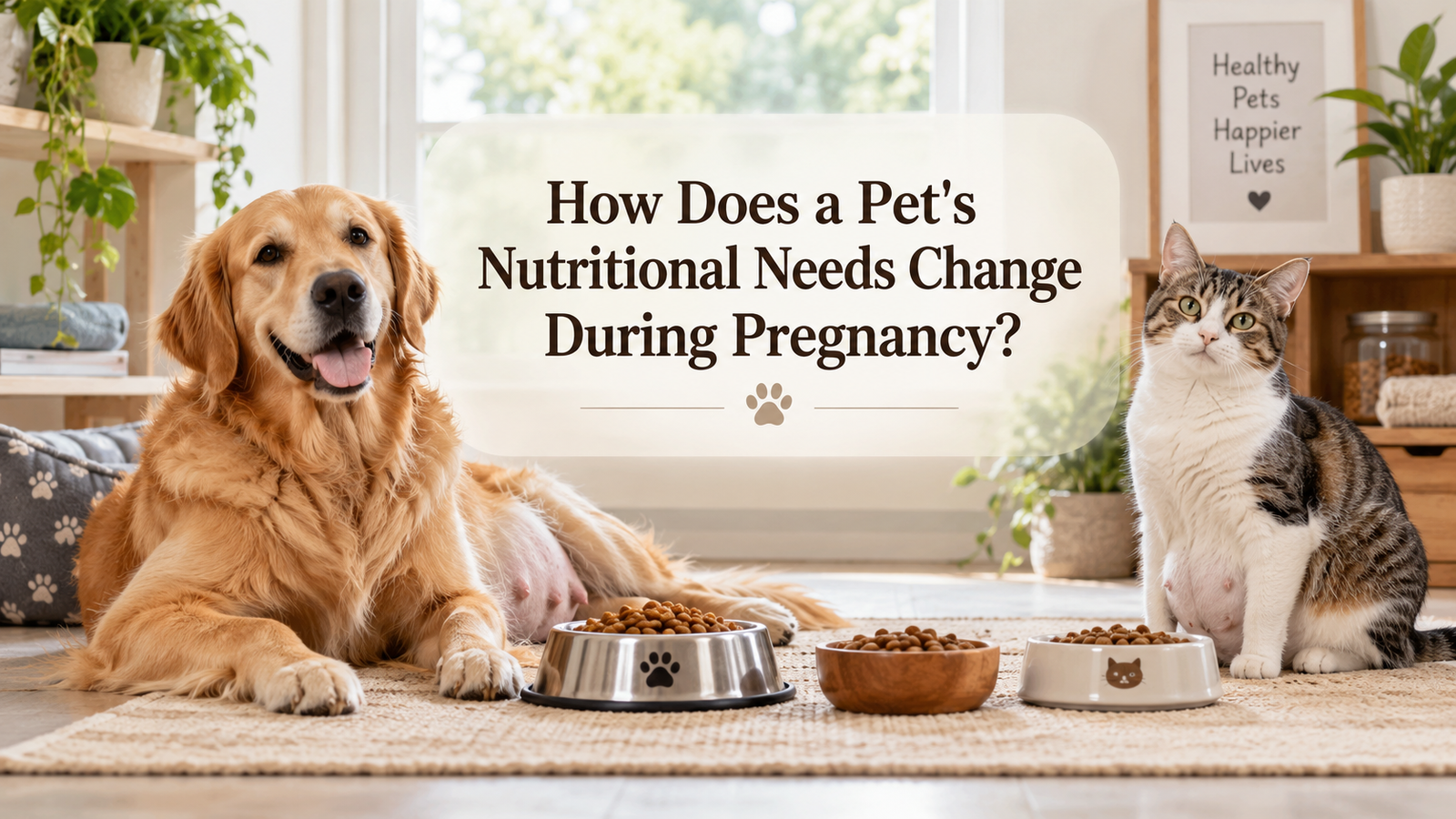
Many pet owners continue feeding their pregnant pets the same food without realizing that their nutritional requirements may change. Although a normal diet might be suitable during everyday life, pregnancy can increase the need for energy, protein, certain vitamins, minerals, and water.
Understanding pet nutrition during pregnancy helps owners make better feeding decisions. The right diet can support healthy fetal development, maintain the mother’s strength, and prepare her body for nursing after birth.
This article explains how a pet’s nutritional needs change during pregnancy, which nutrients are essential, and how owners can provide appropriate care.
Why Is Proper Nutrition Important During Pet Pregnancy?
Proper nutrition plays an important role in maintaining the health of a pregnant pet. The mother’s body must provide nutrients to developing babies while continuing to support her own organs, muscles, and immune system.
If a pregnant pet does not receive enough essential nutrients, she may lose excessive body condition or develop nutritional problems. Poor nutrition can also interfere with the healthy development of her babies.
However, providing too much food can create problems as well. Excessive weight gain may increase the risk of complications, particularly in dogs.
The main goal is to provide a balanced diet that meets the changing nutritional requirements of pregnancy without unnecessary overfeeding.
Dogs and cats have different nutritional needs, so owners should choose food according to their pet’s species, age, health, and pregnancy stage.
How Do Nutritional Needs Change During Early Pregnancy?
During the early stages of pregnancy, a pet’s nutritional requirements may not increase significantly.
For pregnant dogs, energy needs usually remain close to normal during the first several weeks. The developing puppies are still relatively small, and the mother’s body does not yet require a major increase in calories.
Pregnant cats may begin needing more energy earlier because their bodies prepare for the demands of pregnancy and nursing.
At this stage, pet owners should focus on providing nutritious food rather than simply increasing portion sizes.
A healthy pregnant pet should receive a diet containing appropriate amounts of protein, fat, vitamins, minerals, and other essential nutrients.
Regular feeding schedules can also help maintain stable digestion and appetite.
Owners should monitor their pet’s weight and body condition and consult a veterinarian about any necessary dietary adjustments.
Why Do Pregnant Pets Need More Protein?
Protein is one of the most important nutrients during pregnancy.
It supports the development of fetal muscles, tissues, organs, and other body structures. Protein also helps the mother’s body maintain healthy muscles and repair tissues.
As pregnancy progresses, the demand for high quality protein increases, particularly during the later stages when unborn babies grow rapidly.
Good protein sources commonly used in commercial pet foods include chicken, fish, eggs, beef, and other animal ingredients.
However, the presence of these ingredients does not automatically mean a food contains the correct nutritional balance.
For pregnant dogs and cats, choosing a complete and balanced food formulated for reproduction or growth is generally more reliable than adding extra meat to an ordinary diet.
Cats require particular attention because they depend on animal based nutrients, including taurine, for normal health and reproduction.
Providing adequate protein can help maintain the mother’s strength while supporting healthy fetal development.
How Much Extra Energy Does a Pregnant Pet Need?
Energy requirements change throughout pregnancy.
Pregnant dogs generally need little additional energy during the early weeks. During approximately the final third of pregnancy, their calorie requirements increase as the puppies develop more rapidly.
By the end of pregnancy, some dogs may require around 25 to 50 percent more calories than their usual maintenance intake, depending on litter size, body condition, and individual needs.
Cats often need a gradual increase in energy intake throughout pregnancy. By the later stages, their energy requirements may be substantially higher than before pregnancy.
However, there is no single feeding amount suitable for every pregnant pet.
Breed, size, age, activity level, health condition, and number of developing babies can all influence nutritional requirements.
Instead of making sudden changes, owners should gradually adjust feeding portions according to veterinary recommendations.
Monitoring body condition helps determine whether a pregnant pet is receiving enough food.
What Role Do Healthy Fats Play During Pregnancy?
Dietary fats provide concentrated energy and support several important functions in the body.
During pregnancy, healthy fats help provide the additional calories needed for fetal growth and the mother’s changing metabolism.
Essential fatty acids also contribute to skin health, cellular development, and normal body functions.
Certain omega 3 fatty acids, particularly DHA, are important for brain and eye development in growing puppies and kittens.
Many high quality commercial diets designed for growth and reproduction already contain suitable fat levels and essential fatty acids.
Pet owners should avoid adding large amounts of cooking oil, butter, or fatty table scraps to increase calories.
These additions can upset digestion and disturb the nutritional balance of the diet.
The safest approach is to choose appropriately formulated food that provides sufficient energy and essential fats.
Why Are Calcium and Phosphorus Important for Pregnant Pets?
Calcium and phosphorus are important minerals that support the development of bones and teeth.
During pregnancy, unborn puppies and kittens depend on their mother’s nutritional intake for proper skeletal development.
These minerals must be supplied in appropriate amounts and proportions.
However, additional calcium supplements are not automatically beneficial.
In pregnant dogs, unnecessary calcium supplementation can interfere with normal calcium regulation and may contribute to problems around nursing.
Excessive supplementation can also disturb the balance between calcium and other nutrients.
Pet owners should therefore avoid giving calcium tablets, bone powder, or other mineral supplements without veterinary advice.
A complete and balanced reproductive diet usually provides the appropriate mineral levels.
Veterinary guidance is especially important for pets eating homemade food because these diets may contain incorrect calcium and phosphorus proportions.
Which Vitamins Are Essential During Pet Pregnancy?
Vitamins support many processes involved in maintaining a healthy pregnancy.
Vitamin A contributes to normal cell development, vision, and immune function. Vitamin D helps regulate calcium and phosphorus metabolism.
B vitamins support energy metabolism and normal cellular functions.
Vitamin E plays a role in protecting cells from oxidative damage, while folate is involved in DNA formation and normal cell division.
Although these vitamins are important, excessive supplementation can cause health problems.
For example, too much vitamin A or vitamin D can be harmful.
Pregnant pets should generally receive their vitamins through complete and balanced food rather than multiple supplements.
Owners should never give human prenatal vitamins to their pets unless specifically prescribed by a veterinarian.
How Important Is Water for Pregnant Pets?
Fresh drinking water is essential throughout pregnancy.
Water helps maintain normal circulation, digestion, temperature regulation, and other important body functions.
As pregnancy progresses, a pet’s water requirements may increase because of changes in metabolism and body weight.
Adequate hydration also becomes especially important during nursing, when the mother produces milk for her babies.
Pet owners should always provide clean, accessible drinking water.
Water bowls should be washed regularly and placed in areas where the pet can drink comfortably.
Wet food may contribute additional moisture, particularly for cats, but it does not replace the need for drinking water.
If a pregnant pet suddenly drinks much more or less than usual, veterinary advice may be necessary.
Should Pregnant Pets Eat More Frequently?
Feeding frequency may need to change during the later stages of pregnancy.
As unborn babies grow, they occupy more space inside the mother’s abdomen. This can reduce the amount of food she comfortably eats at one time.
Large meals may cause discomfort, particularly during the final weeks.
Offering smaller meals more frequently can help maintain adequate nutritional intake.
For example, a pregnant dog that previously ate twice daily may become more comfortable eating three or four smaller meals.
Pregnant cats may also benefit from having suitable food available throughout the day, depending on their feeding habits and body condition.
The total daily food amount should still be monitored to avoid excessive weight gain.
What Is the Best Food for a Pregnant Dog or Cat?
Choosing the right food is one of the most important decisions during pet pregnancy.
Many veterinarians recommend a highly digestible, complete and balanced diet formulated for growth and reproduction.
For dogs, an appropriate puppy food may meet these requirements, although owners of large breed dogs should check the nutritional adequacy statement carefully because some growth diets are not intended for all reproductive needs.
Pregnant cats are commonly fed a complete and balanced kitten food or a diet specifically formulated for reproduction.
When selecting commercial food, owners should read the packaging and check whether the product is suitable for gestation and lactation.
Food should be selected according to the pet’s species and health requirements.
Any dietary transition should happen gradually, usually over several days, to reduce the chance of digestive upset.
Can Pregnant Pets Eat Homemade Food?
Some pet owners prefer preparing homemade meals because they want greater control over ingredients.
However, homemade diets require careful nutritional planning.
A meal containing chicken, rice, and vegetables may appear healthy but might not provide the correct amounts of calcium, essential fatty acids, vitamins, and other nutrients.
These deficiencies become especially concerning during pregnancy.
A homemade pregnancy diet should be formulated by a veterinarian with expertise in animal nutrition or a qualified veterinary nutrition specialist.
Owners should also avoid feeding raw meat, raw eggs, and unpasteurized dairy products because they may contain harmful microorganisms.
Cooked ingredients and appropriate food handling help reduce food safety risks.
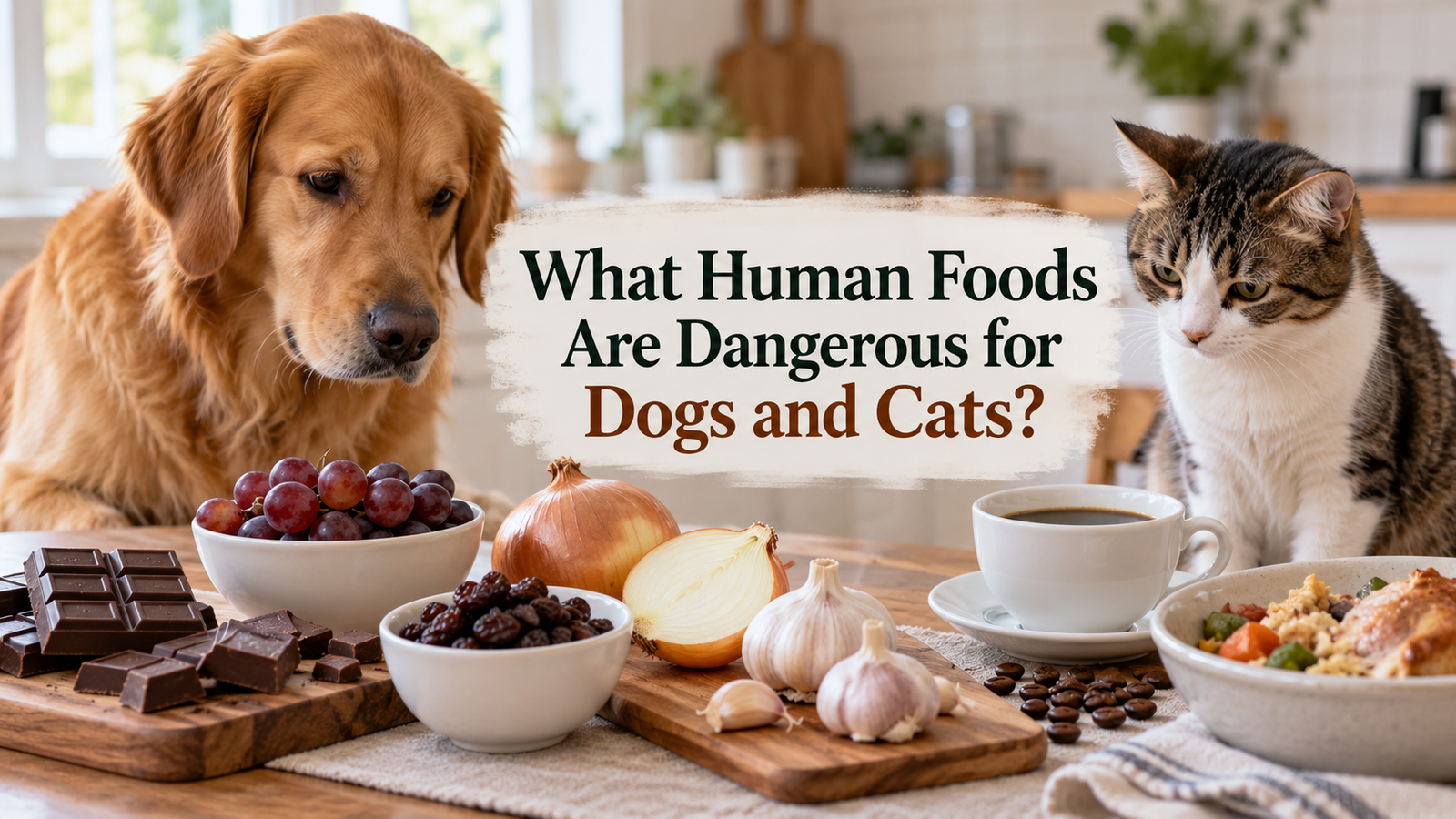
What Foods Should Pregnant Pets Avoid?
Pregnant pets should not receive foods that are toxic or unsuitable for their species.
Chocolate, onions, garlic, grapes, raisins, and products containing xylitol can be dangerous for dogs. Several of these foods are also harmful to cats.
Alcohol, caffeinated drinks, and unsafe human medications should never be offered.
Pet owners should also avoid excessive treats, salty snacks, and heavily seasoned leftovers.
Treats should make up only a small portion of the daily calorie intake so they do not replace important nutrients.
The safest feeding approach is to provide a suitable commercial diet and keep potentially harmful foods out of reach.
How Can Owners Monitor a Pregnant Pet’s Nutritional Health?
Monitoring weight, appetite, and body condition helps owners understand whether their pet’s diet is meeting her needs.
Healthy pregnant pets generally gain weight as pregnancy progresses, although the amount varies.
Owners should observe changes in eating habits, activity, digestion, and overall appearance.
Sudden loss of appetite, persistent vomiting, severe diarrhea, unusual weakness, or rapid weight loss may indicate a health problem.
These symptoms require veterinary attention rather than simply changing the food.
Regular veterinary examinations can help identify nutritional concerns and monitor the pregnancy.
A veterinarian can also recommend appropriate feeding portions based on the pet’s condition and stage of pregnancy.
How Do Nutritional Needs Change After Giving Birth?
A pet’s nutritional requirements do not immediately return to normal after delivery.
In fact, nursing can create even greater nutritional demands than pregnancy.
Producing milk requires substantial amounts of energy, protein, water, and other nutrients.
During peak lactation, a mother dog may require several times her usual maintenance calories, depending on the number of puppies she nurses.
Mother cats also need additional energy to support milk production and recovery.
Continuing an appropriate diet formulated for growth and reproduction can help meet these increased requirements.
Food portions and feeding frequency should be adjusted according to the mother’s appetite, body condition, and veterinary guidance.
Fresh drinking water should always remain available.
As the babies begin eating solid food and nursing decreases, the mother’s food intake can gradually return toward normal levels.
Final Thoughts
Understanding how a pet’s nutritional needs change during pregnancy is essential for responsible pet care.
Pregnancy increases the body’s demand for several important nutrients, including protein, energy, essential fatty acids, vitamins, minerals, and water.
These changes are not identical throughout pregnancy. Early pregnancy often requires smaller dietary adjustments, while later stages generally demand more energy and careful feeding management.
Providing a complete and balanced diet, monitoring body condition, and offering smaller meals when necessary can help support a healthy pregnancy.
Pet owners should avoid unnecessary supplements and unbalanced homemade diets, especially when preparing food without professional nutritional guidance.
Most importantly, every pregnant pet is different. Regular veterinary care and an appropriate feeding plan can help maintain the mother’s health, support the development of her babies, and prepare her for the nutritional demands of nursing.