Introduction
Keeping pets healthy is one of the most important responsibilities of every pet owner. Dogs and cats depend on their owners for food, exercise, medical care, and a comfortable living environment. However, many pets gradually gain excess weight because of unhealthy feeding habits, oversized meals, and a lack of physical activity. Pet obesity has become a common health concern, especially among animals that spend most of their time indoors.
Understanding how to prevent pet obesity through proper feeding habits can help owners protect their pets from several health problems. Excess body weight can increase the risk of diabetes, joint pain, breathing difficulties, and reduced mobility. It may also affect an animal’s ability to enjoy normal activities such as walking, running, and playing.
Fortunately, obesity in pets is often preventable. By choosing suitable food, controlling portions, maintaining regular feeding schedules, and limiting unnecessary treats, owners can support healthy body weight throughout their pets’ lives.
This article explains practical feeding habits that can help prevent obesity in dogs and cats while supporting their overall health and well being.
Understanding Obesity in Dogs and Cats
Pet obesity develops when an animal regularly consumes more calories than its body uses. The extra energy is stored as body fat, which gradually increases body weight.
A small amount of additional weight may not appear concerning at first. However, continued weight gain can eventually place unnecessary pressure on an animal’s joints, heart, and other organs.
Dogs and cats have different nutritional requirements depending on their age, breed, size, activity level, and health condition. A feeding routine that works for one animal may not be suitable for another.
For example, an active dog that enjoys daily outdoor exercise may require more calories than an older dog that spends most of its time resting. Similarly, an indoor cat may need fewer calories than a highly active cat.
Pet owners should understand these differences rather than feeding every animal the same amount.
1. Choose Food According to Your Pet’s Nutritional Needs
One of the most effective ways to prevent pet obesity is to provide food that matches the animal’s nutritional requirements.
Commercial pet foods are commonly developed for different life stages, including puppies, kittens, adults, and senior animals. These products may contain different amounts of protein, fat, vitamins, and minerals.
Young animals need adequate energy and nutrients to support growth. Adult pets require balanced nutrition to maintain healthy body functions, while older animals may benefit from diets adjusted to their activity levels and medical needs.
When choosing pet food, owners should read the packaging carefully and look for a statement confirming that the product provides complete and balanced nutrition for the intended species and life stage.
It is also important to consider calorie content. Some foods contain more calories per serving than others.
Selecting appropriate food can help pets receive essential nutrients without regularly consuming unnecessary calories.
2. Measure Food Portions Carefully
Incorrect portion sizes are a major reason why pets gain excess weight.
Many owners fill their pet’s bowl without measuring the amount of food. Although this may seem convenient, it can result in overfeeding.
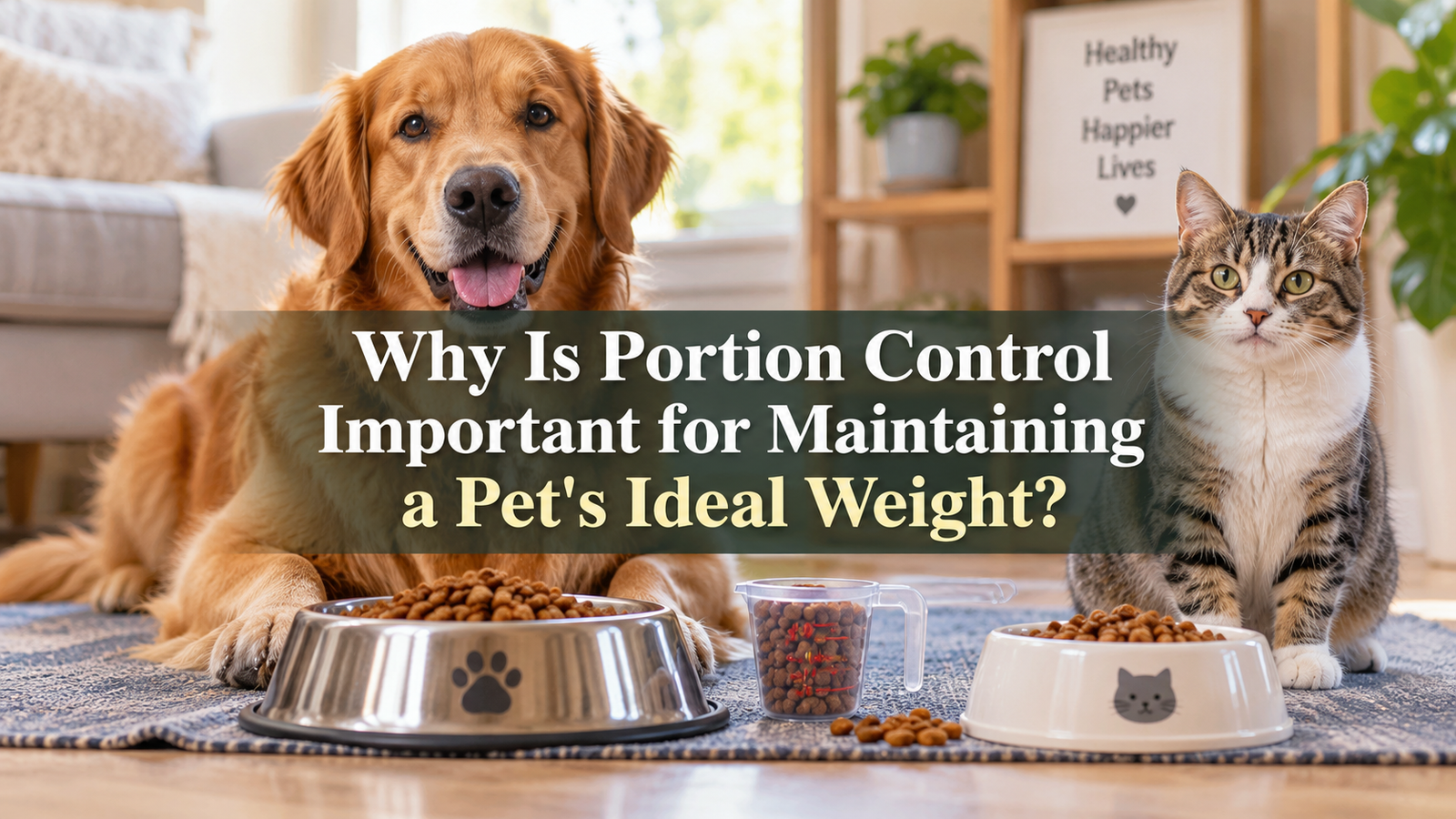
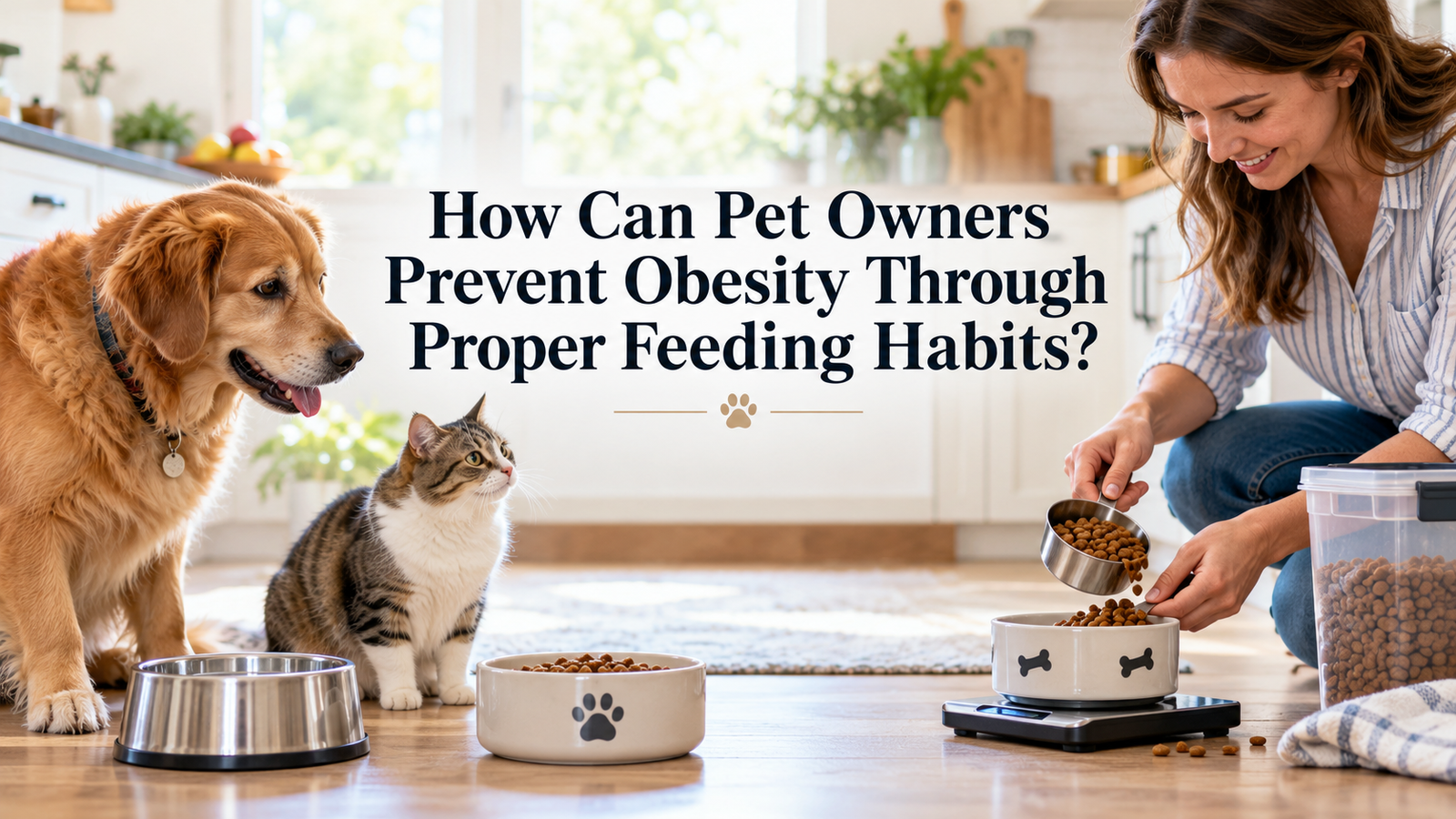
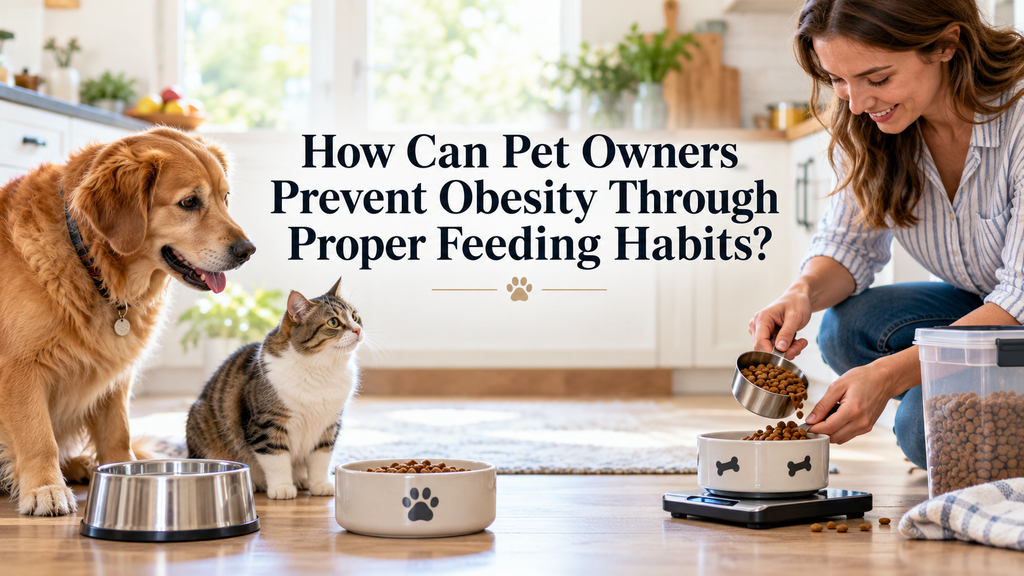
Using a kitchen scale or an accurate measuring tool makes portion control easier.
Pet food packaging usually provides general feeding recommendations based on body weight. However, these instructions are starting points rather than exact requirements for every animal.
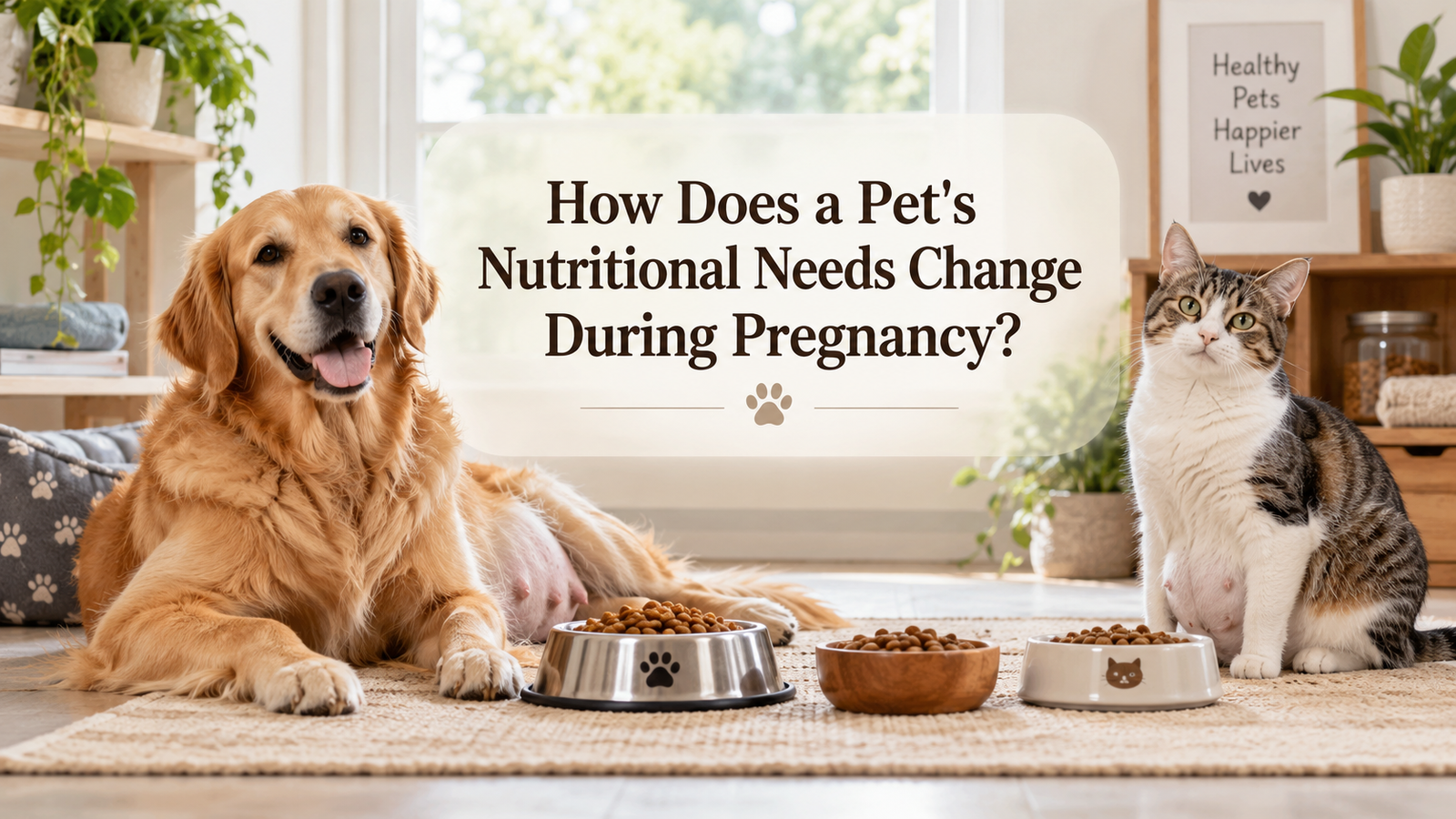
The amount of food needed may vary depending on activity level, age, reproductive status, and individual metabolism.
For example, two dogs of the same weight may require different daily calorie amounts if one is highly active and the other is less active.
Owners can ask a veterinarian to estimate their pet’s ideal daily calorie intake.
Measuring meals consistently allows owners to monitor food consumption and make appropriate adjustments when needed.
3. Establish a Regular Feeding Schedule
A consistent feeding schedule helps pet owners manage their animals’ daily food intake.
Instead of offering food randomly throughout the day, owners can divide the recommended daily portion into planned meals.
Many healthy adult dogs do well with two meals per day. Cats may benefit from several smaller meals, depending on their preferences and nutritional needs.
The most important factor is controlling the total amount of food consumed during the day.
Regular feeding times also make it easier to notice changes in appetite.
If a pet suddenly eats much more or much less than usual, the change may indicate a health problem that deserves attention.
A predictable routine can also reduce unnecessary feeding simply because an animal appears interested in food.
4. Avoid Leaving Unlimited Food Available
Free feeding means leaving a bowl of food available throughout the day so pets can eat whenever they want.
Although this approach may work for certain animals, it can encourage overeating in pets that struggle to regulate their food intake.
Some dogs and cats continue eating even after consuming enough calories.
This behavior is particularly concerning when large amounts of dry food remain available throughout the day.
Measured meals make it easier to control calorie intake.
If an owner prefers free feeding, the total daily portion should still be measured rather than allowing the bowl to be refilled continuously.
Automatic feeders can also help distribute controlled portions at scheduled times.
The goal is to provide enough food for healthy nutrition without encouraging excessive consumption.
5. Limit Treats and Extra Snacks
Treats are useful for training, rewarding good behavior, and building positive relationships with pets.
However, offering too many treats can contribute significantly to weight gain.
A small biscuit or snack may seem harmless, but repeated treats can add a considerable number of calories to an animal’s daily diet.
Veterinary nutrition guidance commonly recommends keeping treats and other extras within approximately 10 percent of a pet’s daily calorie allowance.
The remaining calories should come from a complete and balanced diet.
Owners can break larger treats into smaller pieces during training sessions.
For some pets, a portion of their regular food can also be used as a reward.
Every treat should be included when calculating total daily food consumption.
This simple habit helps prevent accidental overfeeding.
6. Understand the Risks of Feeding Table Scraps
Many pet owners enjoy sharing their meals with their dogs or cats.
Although this behavior may appear affectionate, frequent feeding of table scraps can encourage unhealthy eating habits.
Human meals may contain excessive amounts of fat, salt, sauces, and other ingredients that are unsuitable for animals.
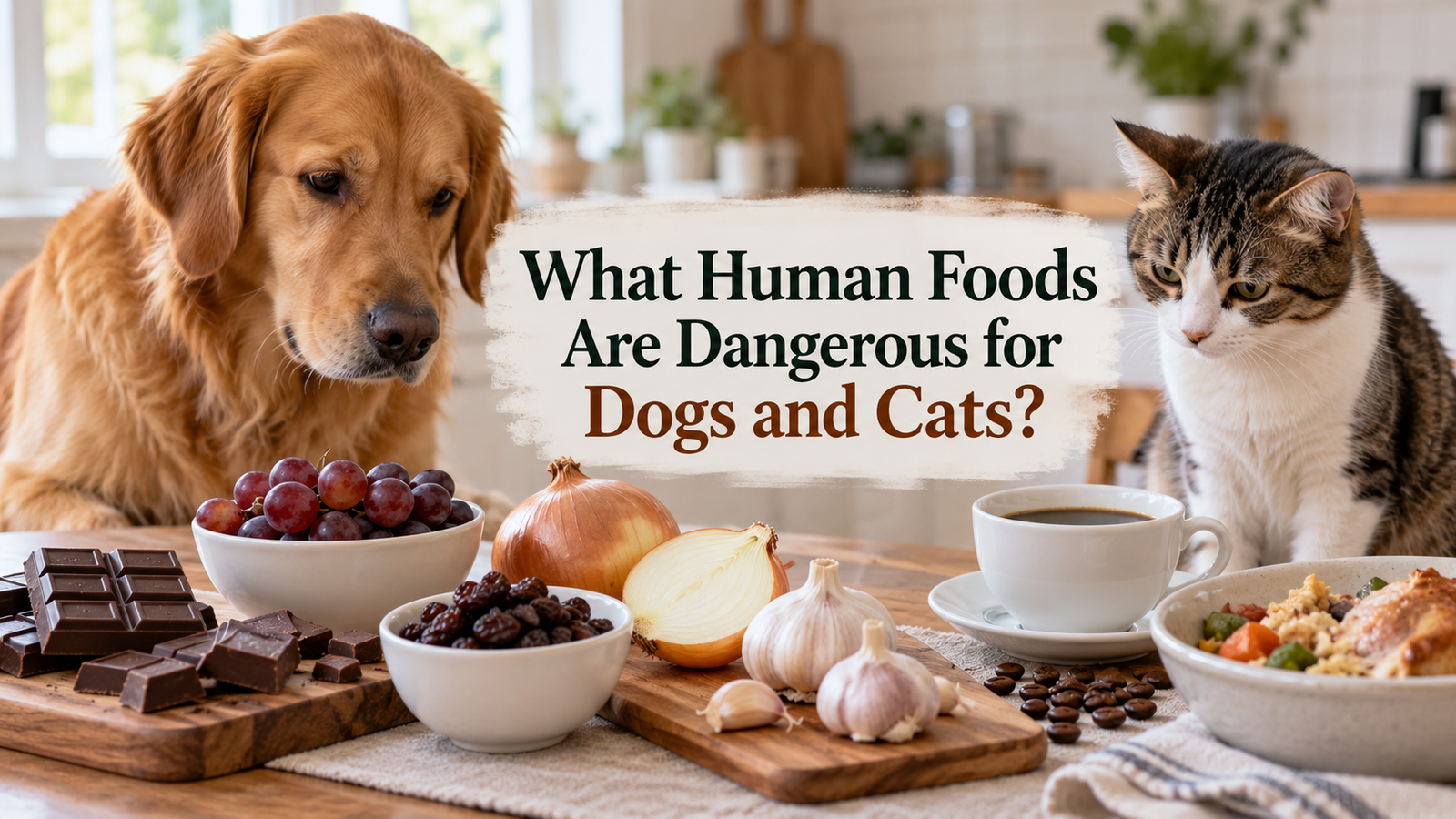
Certain common foods, including chocolate, grapes, raisins, onions, and garlic, can also be dangerous for dogs or cats.
Even foods that are not toxic may contain more calories than a pet needs.
For example, sharing fatty meat or leftover fried food regularly may contribute to weight gain.
Instead of feeding leftovers, owners should provide nutritionally appropriate pet food.
If additional snacks are necessary, they should be safe for the animal and included within its daily calorie allowance.
7. Monitor Your Pet’s Body Weight Regularly
Regular weight monitoring is an important part of preventing obesity in pets.
Weight gain often happens gradually, making it difficult to notice changes simply by looking at an animal every day.
Owners can weigh smaller pets at home using a suitable scale.
Larger dogs may need to be weighed at a veterinary clinic or another location with an appropriate scale.
Recording weight measurements helps identify changes over time.
However, body weight alone does not always provide a complete picture of an animal’s condition.
Veterinarians commonly use a body condition score to assess whether pets have an appropriate amount of body fat.
In many healthy dogs and cats, the ribs should be easy to feel beneath a thin layer of fat. A visible waist may also be noticeable when the animal is viewed from above.
If a pet begins gaining unnecessary weight, adjusting feeding habits early can help prevent further problems.
8. Consider Age and Activity Level
A pet’s calorie requirements can change throughout its life.
Puppies and kittens generally need enough energy to support growth and development.
Adult animals require sufficient calories to maintain normal body functions and support daily activities.
As pets become older, their activity levels may decrease.
An older dog that takes shorter walks may not require the same amount of food it consumed during its younger, more active years.
Similarly, an indoor cat that spends long periods resting may have lower energy requirements than a cat that plays frequently.
Neutering can also change calorie requirements in some animals.
Owners should review feeding portions when their pet’s lifestyle, age, or activity level changes.
These adjustments help maintain an appropriate balance between calorie intake and energy use.
9. Encourage Physical Activity Alongside Healthy Feeding
Proper nutrition is essential for preventing obesity, but regular physical activity also plays an important role.
Exercise helps pets use energy, maintain muscle strength, and remain mentally stimulated.
Dogs may benefit from daily walks, supervised games, and activities suitable for their age and physical condition.
Cats can be encouraged to move through interactive toys, climbing structures, and short play sessions.
Food puzzles are another useful option.
These products encourage pets to work for their food rather than eating everything immediately from a bowl.
They may also provide mental stimulation and help slow rapid eating.
However, exercise should not be used as a replacement for portion control.
A healthy feeding routine and appropriate physical activity work best together.
10. Recognize Emotional Feeding Habits
Sometimes owners provide extra food because they believe their pets are hungry, bored, or unhappy.
A dog may beg at the dinner table, while a cat may repeatedly approach the food bowl.
These behaviors do not always mean the animal needs additional calories.
Pets can learn that certain actions lead to food rewards.
For example, a dog that receives a snack whenever it begs may continue repeating the behavior.
Owners can respond with attention, play, grooming, or another enjoyable activity instead of food.
Providing affection without additional calories helps establish healthier habits.
It also teaches pets that rewards and attention are not always connected to eating.
11. Provide Fresh Drinking Water
Clean drinking water is essential for overall pet health.
Water supports digestion, temperature regulation, circulation, and normal body functions.
Pets should have access to fresh drinking water throughout the day unless a veterinarian has provided specific medical instructions.
Water should never be restricted as a method of controlling body weight.
Owners should also avoid offering sugary drinks or other beverages that may contain unnecessary calories or unsafe ingredients.
For most healthy dogs and cats, fresh water is the appropriate everyday drink.
Keeping water bowls clean and accessible encourages regular drinking.
12. Make Gradual Changes to Feeding Habits
When an animal has already gained excess weight, owners may feel tempted to reduce food portions drastically.
However, sudden and severe food restriction can create nutritional problems.
Cats are particularly vulnerable to serious health complications when they stop eating or lose weight too quickly.
A safer approach involves consulting a veterinarian and following an appropriate weight management plan.
The veterinarian may recommend adjusting calorie intake, changing food, or increasing suitable activity.
Weight reduction should be gradual and monitored.
Owners should also avoid replacing a complete diet with homemade meals that may lack essential nutrients.
The objective is to reduce excess body fat while maintaining good nutrition and overall health.
13. Use Feeding Tools to Support Portion Control
Several simple feeding tools can help owners manage their pets’ daily food consumption.
Digital kitchen scales allow accurate measurement of food portions.
Slow feeding bowls can help animals that eat their meals too quickly.
Puzzle feeders may encourage slower eating while providing mental stimulation.
Automatic feeders can distribute measured amounts of food at scheduled times.
These tools are especially useful in households where different family members share responsibility for feeding pets.
It is important that everyone follows the same feeding plan.
Without communication, several family members may unknowingly feed the same pet additional meals or treats.
Maintaining a simple feeding record can help prevent this problem.
14. Maintain Healthy Feeding Habits in Homes With Multiple Pets
Feeding several pets in one household can make portion control more challenging.
One animal may eat slowly, while another finishes quickly and attempts to consume food from multiple bowls.
This situation may cause one pet to gain weight while another receives insufficient food.
Feeding animals separately can help each pet receive the correct amount.
Owners can use different rooms or designated feeding areas when necessary.
Food bowls should be monitored, particularly when pets require different diets.
For example, a kitten and an adult cat should not automatically receive identical food portions.
Individual feeding plans allow owners to meet each animal’s nutritional needs more accurately.
15. Schedule Regular Veterinary Checkups
Veterinary examinations provide valuable guidance for maintaining a healthy pet weight.
During routine appointments, veterinarians can assess body condition, monitor weight changes, and recommend suitable feeding adjustments.
They can also investigate medical conditions that may contribute to unexpected weight changes.
Certain hormonal disorders, medications, and health problems can influence an animal’s weight or appetite.
If a pet gains weight despite controlled feeding, veterinary assessment is important.
Professional advice is particularly useful for pets that are already overweight or have conditions such as arthritis or diabetes.
Regular checkups help owners make informed decisions about long term nutritional care.
Common Feeding Mistakes That Can Lead to Pet Obesity
Even caring and responsible owners can unintentionally develop habits that encourage weight gain.
Some common mistakes include providing oversized meals, offering frequent treats, ignoring calorie information, and continuing the same portions after a pet becomes less active.
Another common mistake is assuming that every request for food indicates genuine hunger.
Pets may seek food because they have learned to associate eating with attention or rewards.
Measuring portions, reviewing feeding routines, and monitoring body condition can help prevent these problems.
Frequently Asked Questions
How can I tell if my pet is overweight?
A pet may be overweight if its ribs are difficult to feel, its waist is poorly defined, or it has noticeable fat deposits. A veterinarian can assess body condition and recommend an appropriate target weight.
Is dry food more likely to cause obesity than wet food?
Neither dry nor wet food automatically causes obesity. Weight gain depends mainly on total calorie intake compared with energy requirements. Some dry foods are more calorie dense, so accurate portion measurement is important.
Can pets lose weight by eating less food?
Reducing excess calorie intake may help overweight pets lose weight. However, weight management should be gradual and nutritionally balanced. Veterinary guidance is recommended before starting a weight reduction plan.
How many treats should I give my pet daily?
The appropriate number depends on the treats’ calorie content and the animal’s daily energy needs. Treats should generally provide no more than 10 percent of total daily calories.
Can indoor cats become obese more easily?
Indoor cats may be at greater risk when they have limited opportunities for exercise and consume more calories than they need. Controlled feeding and interactive play can help maintain healthy body weight.
Conclusion
Preventing pet obesity through proper feeding habits is an important part of responsible animal care. Healthy weight management begins with understanding a pet’s nutritional requirements and providing suitable amounts of food every day.
Choosing a balanced diet, measuring portions, limiting treats, avoiding unnecessary table scraps, and maintaining consistent feeding times can significantly reduce the risk of excess weight gain.
Regular physical activity, weight monitoring, and veterinary examinations provide additional support for long term health.
Every dog and cat has individual nutritional needs, so feeding plans should reflect age, size, activity level, and overall health.