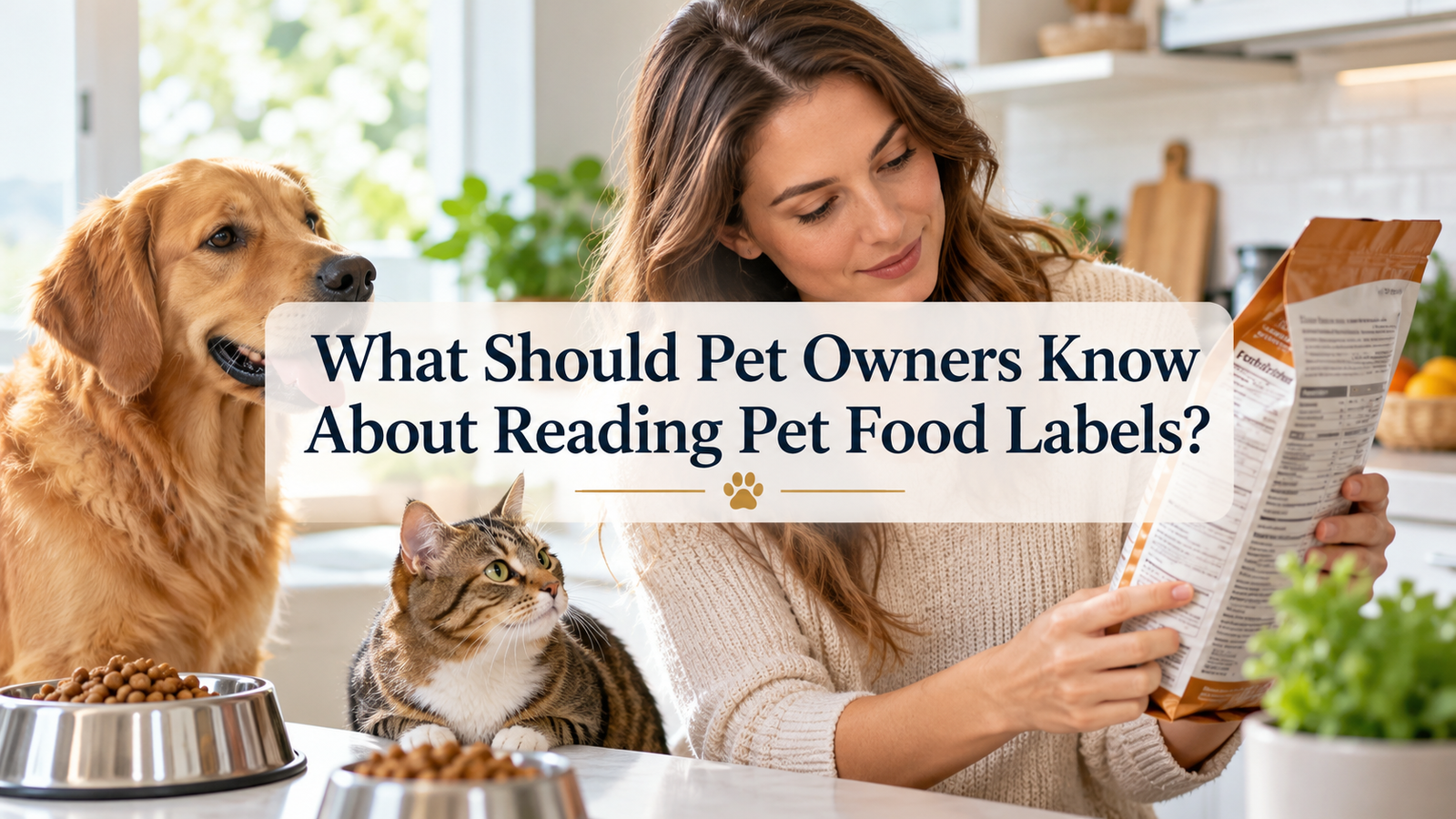
Choosing the right food is one of the most important responsibilities of a pet owner. Dogs and cats depend on their owners to provide meals that support their growth, energy, digestion, and overall health. However, selecting healthy pet food is not always as simple as choosing an attractive package or a familiar brand.
Pet food packages often contain nutritional information, ingredient lists, feeding instructions, and marketing claims. Some of these details are useful, while others can make the buying process confusing. Understanding how to read pet food labels helps owners make better decisions about what they feed their animals.
Learning the meaning of common terms, nutritional values, and ingredient information can also help pet owners avoid unsuitable products. With a little knowledge, reading pet food labels becomes a useful habit rather than a difficult task.
Why Is Reading Pet Food Labels Important?
Pet food labels provide important information about the ingredients and nutritional content of a product. They help owners understand whether a particular food is suitable for their pet’s age, size, and dietary requirements.
Every pet has different nutritional needs. A growing puppy requires a different balance of nutrients than an older dog. Similarly, kittens need food that supports their development, while adult cats require nutrition suitable for maintaining their health.
Reading the label helps pet owners identify these differences before purchasing food.
Another important benefit is understanding how much food to serve. Feeding too much can contribute to unwanted weight gain, while feeding too little may prevent pets from receiving enough energy and nutrients.
Carefully reading food labels encourages responsible feeding habits and supports better nutritional choices.
Understand the Ingredients List
The ingredient list is one of the first sections pet owners should examine when buying pet food.
Ingredients are generally listed according to their weight before processing, starting with the ingredient present in the greatest amount.
For example, a pet food label might include chicken, rice, animal fat, vegetables, vitamins, and minerals.
If chicken appears first, it means chicken contributes the greatest weight among the listed ingredients before processing.
However, the first ingredient does not automatically determine the overall nutritional quality of the food.
Fresh meat contains considerable moisture, which affects its weight. Meat meals contain less water and can provide concentrated sources of protein.
Pet owners should therefore consider the complete ingredient list rather than focusing entirely on the first ingredient.
A balanced pet food may contain several ingredients that work together to provide essential nutrients.
Learn the Meaning of Guaranteed Analysis
Another important part of reading pet food labels is understanding the guaranteed analysis.
This section provides information about certain nutrients contained in the food.
On many pet food labels, particularly those following United States labeling standards, guaranteed analysis includes minimum crude protein, minimum crude fat, maximum crude fiber, and maximum moisture.
Crude protein represents an estimate of protein content based on nitrogen measurement. Protein supports muscle development, tissue maintenance, and several important body functions.
Crude fat provides energy and contributes to healthy skin and coat condition.
Crude fiber gives an indication of certain fiber components that may influence digestion.
Moisture tells owners how much water the food contains.
These percentages are useful, but they do not provide a complete picture of nutritional quality. They also do not measure how easily a pet can digest the nutrients.
Understanding guaranteed analysis makes comparing pet foods easier, especially when owners know what their animals need.
Check Whether the Food Is Complete and Balanced
One of the most important statements on a pet food package concerns nutritional adequacy.
A food described as complete and balanced is intended to provide the essential nutrients a pet needs in suitable proportions for the life stage identified on the label.
In the United States, many commercial dog and cat foods include nutritional adequacy statements based on standards established by the Association of American Feed Control Officials, commonly known as AAFCO.
These statements may indicate that a product meets established nutrient profiles or has been evaluated through recognized feeding tests.
The statement also explains which animals the food is intended to support.
Pet owners should look carefully for this information when selecting daily meals.
A product intended only for occasional or supplemental feeding should not replace a complete daily diet unless a veterinarian recommends it.
Choose Food According to Your Pet’s Life Stage
A pet’s nutritional needs change throughout its life.
Young animals need appropriate nutrients and energy to support rapid growth. Adult pets require a balanced diet that helps maintain a healthy body condition.
Pregnant or nursing animals may also have increased nutritional requirements.
Pet food labels often identify the life stage for which the product is intended.
Common categories include growth, adult maintenance, pregnancy and nursing, and all life stages.
Food labeled for all life stages is generally formulated to meet the nutritional requirements of growth and reproduction as well as adult maintenance. However, it may provide more calories or nutrients than some less active adult pets need.
Owners of large breed puppies should pay particular attention to whether a growth formula is appropriate for their dog’s expected adult size.
Choosing food according to the correct life stage is an important part of responsible pet nutrition.
Understand the Difference Between Wet and Dry Pet Food
Wet and dry pet foods can look quite different when their nutritional percentages are compared.
Dry food usually contains less moisture, while canned food generally contains much more water.
For example, a dry food containing 25 percent protein may appear to have substantially more protein than a wet food containing 10 percent protein.
However, this comparison can be misleading because the moisture content is different.
To compare foods more fairly, nutritional percentages can be calculated on a dry matter basis.
This method removes water from the comparison and helps owners understand the concentration of nutrients in each product.
Both wet and dry foods can provide appropriate nutrition when they are complete and balanced for the intended pet.
The best choice depends on factors such as nutritional suitability, preference, chewing ability, hydration, and veterinary recommendations.
Pay Attention to Calorie Information
Calories are another important detail that pet owners should examine.
Different foods can provide very different amounts of energy, even when their serving sizes appear similar.
Pet food labels may display calories per kilogram, cup, can, or another familiar serving unit.
Understanding calorie content is especially useful for pets that are overweight, less active, or prone to gaining weight.
For example, two dry foods may have similar protein percentages but different calorie densities.
Feeding the same quantity of both products could therefore provide different amounts of energy.
Pet owners should consider calorie information alongside their animal’s activity level, age, weight, and body condition.
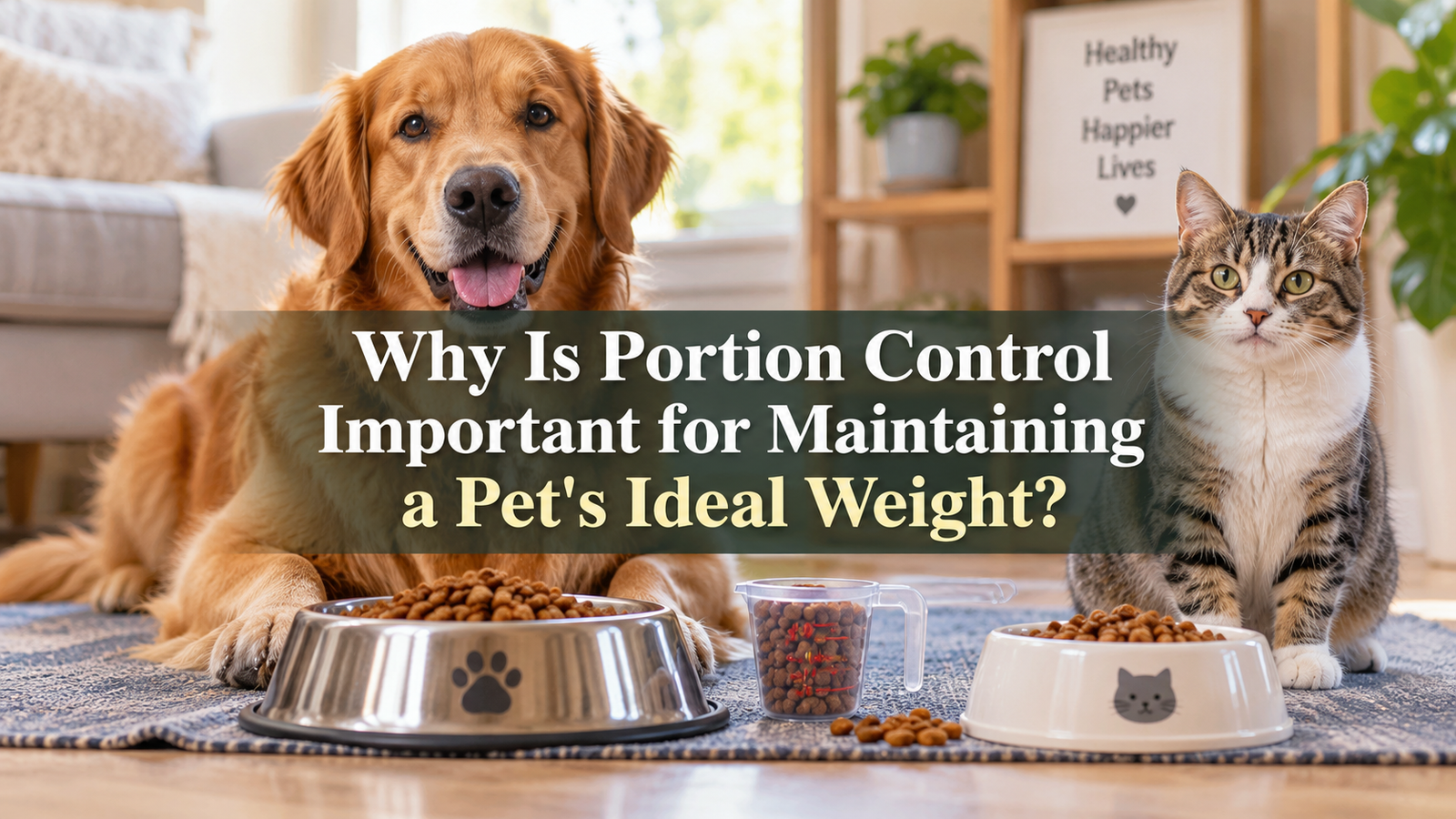
Accurate portion measurement can help maintain a healthy weight and prevent unnecessary overfeeding.
Read Feeding Instructions Carefully
Most complete pet foods provide feeding recommendations on the package.
These instructions usually suggest daily quantities according to the animal’s body weight.
Some labels also include recommendations for age or activity level.
However, feeding instructions are general guidelines rather than exact requirements for every pet.
An active dog may need more calories than a dog that spends most of the day resting.
Similarly, pets recovering from illness or managing certain health conditions may require individually adjusted feeding plans.
Owners should begin with suitable feeding guidelines and observe their pet’s weight and body condition.
Using a measuring cup or kitchen scale can improve portion accuracy.
Fresh drinking water should always be available, regardless of the type of food being served.
Recognize Common Marketing Terms
Pet food packaging frequently includes attractive words such as natural, premium, holistic, and grain free.
These expressions can influence purchasing decisions, but they do not all have the same nutritional meaning.
For example, the word premium does not necessarily indicate that a product provides better nutrition than other complete and balanced foods.
Similarly, natural does not automatically mean a food is healthier or more suitable for every animal.
Grain free products exclude certain grain ingredients, but they are not automatically healthier than foods containing grains.
Most dogs and cats do not need to avoid grains unless there is a specific medical reason.
Pet owners should focus on nutritional adequacy, appropriate ingredients, and feeding suitability rather than relying only on marketing language.
Understand Food Allergies and Ingredient Sensitivities
Some pets develop adverse reactions to particular food ingredients.
These reactions may involve food allergies or other forms of dietary intolerance.
Possible symptoms include persistent itching, skin irritation, vomiting, or digestive disturbances.
However, these symptoms can also occur for many other reasons.
Pet owners should not assume that a specific ingredient is responsible without appropriate veterinary evaluation.
Reading pet food labels becomes particularly important when an animal has a confirmed dietary sensitivity.
Owners should carefully examine ingredient information and follow veterinary advice when selecting a suitable diet.
For pets undergoing a prescribed food trial, even small amounts of unsuitable ingredients or treats may interfere with the results.
Check the Manufacturer and Product Information
Reliable product information is another useful part of pet food labeling.
Owners should look for details identifying the manufacturer or distributor, along with available customer contact information.
This information allows consumers to ask questions about ingredients, nutritional testing, product quality, and manufacturing practices.
Batch numbers and expiration or best before dates are also important.
Checking these details helps owners identify products and determine whether they are within the recommended period for use.
Packaging should be examined for tears, leaks, swelling, or other signs of damage.
After opening, pet food should be stored according to the manufacturer’s instructions.
Good storage practices help protect freshness and reduce contamination risks.
Avoid Common Mistakes When Reading Pet Food Labels
One common mistake is choosing pet food entirely according to price.
Expensive food is not necessarily the most appropriate option, while affordable food is not automatically poor quality.
Another mistake is assuming that a high protein percentage always means better nutrition.
Pets need an appropriate balance of protein, fat, vitamins, minerals, and other essential nutrients.
Some owners also overlook serving sizes and give additional treats without considering their calorie contribution.
Treats can be useful for training and rewarding pets, but they should generally make up no more than about 10 percent of daily calories unless a veterinarian advises otherwise.
It is also important not to confuse ingredient appearance with nutritional adequacy.
A simple ingredient list may look appealing, but the entire product must still meet the animal’s nutritional needs.
Frequently Asked Questions About Pet Food Labels
What is the most important information on a pet food label?
The nutritional adequacy statement is one of the most important details. It helps owners determine whether the food provides complete and balanced nutrition for their pet’s life stage.
Does the first ingredient determine pet food quality?
No. Ingredients are generally listed by weight before processing, but the first ingredient alone does not establish the overall quality, digestibility, or nutritional balance of the product.
Is grain free pet food better for dogs and cats?
Not necessarily. Many pets can digest properly prepared grains without difficulty. Grain free food should not automatically be considered healthier.
Can pet owners compare protein percentages between wet and dry foods?
Yes, but a dry matter comparison is more meaningful because wet and dry foods contain different amounts of moisture.
Should pets eat the same food throughout their lives?
Not always. Nutritional requirements change with growth, aging, activity, reproductive status, and health conditions. Food choices should be reviewed as these needs change.
Conclusion
Understanding how to read pet food labels is an essential skill for responsible pet ownership. A label contains valuable information about ingredients, nutritional composition, calorie content, feeding instructions, and the intended life stage of the animal.
By paying attention to these details, owners can make more informed decisions and avoid choosing products based only on attractive packaging or marketing claims.
The most important goal is to select a nutritionally appropriate food that supports the individual pet’s needs.
Reading labels carefully, measuring portions correctly, and seeking veterinary guidance when necessary can help pets maintain healthy eating habits throughout their lives.