Every pet owner wants their animal to live a healthy, active, and comfortable life. Whether you have a playful dog, a friendly cat, a colorful bird, or a small rabbit, proper nutrition plays an important role in maintaining good health. Just like humans, pets need essential nutrients to support their bodies, maintain energy, develop strong bones, and protect themselves from illness.
However, feeding a pet is not simply about providing enough food. The quality of the food, the nutrients it contains, and the amount served are equally important. A pet may eat regularly and still develop nutritional problems if its diet does not meet its specific needs.
Understanding essential nutrients for pets can help owners make better feeding decisions. Different animals have different nutritional requirements, but the basic principles of balanced nutrition remain important for every species.
In this article, we will explore the major nutrients pets need, their benefits, common food sources, and practical ways to maintain a healthy diet.
1. Protein for Healthy Muscles and Body Growth
Protein is one of the most important nutrients for pets because it supports muscle development, tissue repair, and normal body functions.
Every animal needs protein, although the required amount depends on its species, age, activity level, and health condition.
Proteins contain amino acids, which are used by the body to build and maintain tissues. Some amino acids can be produced naturally, while others must come from food.
For example, cats require certain nutrients that dogs can obtain or produce differently. One important example is taurine, an essential amino acid nutrient for cats that supports healthy vision, heart function, and reproduction.
Common Protein Sources for Pets
Suitable protein sources may include:
- Cooked chicken without bones or seasoning
- Properly prepared fish
- Cooked eggs
- Meat included in balanced commercial pet food
- Species appropriate plant proteins
However, these foods should not automatically replace a complete pet diet. Different animals require different combinations of amino acids and other nutrients.
Young animals generally need sufficient protein to support growth, while adult pets require adequate amounts to maintain their muscles and body tissues.
Providing appropriate protein helps pets remain active, maintain healthy muscles, and support normal development.
2. Healthy Fats for Energy and Skin Health
Fats are another essential part of a balanced pet diet. They provide concentrated energy and help the body absorb certain vitamins.
Many pet owners believe that dietary fat is always unhealthy, but this is not true. The right amount of suitable fats supports several important body functions.
Healthy fats help maintain the skin barrier, support coat condition, and provide essential fatty acids.
Omega 3 and omega 6 fatty acids are especially important in animal nutrition.
Omega 3 fatty acids support normal cell functions and help regulate inflammatory processes. Omega 6 fatty acids also contribute to healthy skin and normal growth.
Some common sources of dietary fats include fish oil, poultry fat, and carefully selected vegetable oils used in complete pet foods.
Cats also require arachidonic acid, a fatty acid normally obtained from animal sources.
However, excessive fat consumption may contribute to weight gain and digestive problems. Some animals with certain medical conditions may need restricted fat intake.
The best approach is to provide fats in appropriate amounts through a balanced diet rather than adding oils without professional guidance.
3. Carbohydrates for Energy and Digestive Support
Carbohydrates provide an important source of energy in many pet diets, particularly for dogs.
The body breaks down digestible carbohydrates into simpler sugars that can be used for energy.
Common carbohydrate ingredients in pet food include rice, oats, potatoes, and other properly processed grains or vegetables.
Carbohydrates can help provide energy for daily activities such as walking, running, and playing.
However, carbohydrate requirements vary between animal species.
For example, dogs can digest properly cooked starches and use them as an energy source. Cats can also digest suitable carbohydrates, but they have different metabolic needs and depend more heavily on animal derived nutrients.
Unlike protein and essential fatty acids, dietary carbohydrates are not universally required in the same way by healthy adult dogs and cats.
This means that pet owners should focus on the overall nutritional balance of the food rather than assuming that every pet needs a high carbohydrate diet.
Excess calories from carbohydrates or other nutrients can contribute to unwanted weight gain.
4. Vitamins for Immunity and Normal Body Functions
Vitamins are required in relatively small amounts, but they perform essential functions throughout the body.
They help support vision, metabolism, growth, reproduction, and normal immune function.
Different vitamins have different responsibilities.
Vitamin A
Vitamin A supports healthy vision, normal growth, and the maintenance of skin and other body tissues.
Cats require preformed vitamin A in their diet because they cannot efficiently convert plant beta carotene into vitamin A.
Vitamin B Complex
B vitamins contribute to energy metabolism, nervous system function, and the normal production of blood cells.
These vitamins are supplied through properly formulated pet food containing appropriate ingredients.
Vitamin D
Vitamin D helps regulate calcium and phosphorus metabolism, supporting healthy bones and teeth.
Dogs and cats depend on dietary vitamin D because sunlight exposure does not provide enough for their nutritional needs.
Vitamin E
Vitamin E acts as an antioxidant and helps protect cells from damage.
Vitamin K
Vitamin K contributes to normal blood clotting.
Although vitamins are essential, excessive supplementation can be harmful.
For example, too much vitamin A or vitamin D can cause serious health problems.
Pet owners should avoid giving human vitamin supplements to animals without veterinary advice.
A complete and balanced diet usually provides the vitamins a healthy pet needs.
5. Minerals for Strong Bones and Healthy Organs
Minerals are essential nutrients that support bone development, muscle activity, fluid balance, and many other functions.
Pets require both major minerals and trace minerals.
Major minerals are needed in larger amounts, while trace minerals are required in smaller quantities.
Calcium and Phosphorus
Calcium and phosphorus work together to maintain strong bones and teeth.
They are especially important during the growth of puppies and kittens.
However, the balance between these minerals matters. Providing too much calcium or too little phosphorus may interfere with healthy skeletal development.
Iron
Iron supports the production of hemoglobin, which carries oxygen through the blood.
Zinc
Zinc contributes to healthy skin, wound healing, and normal immune function.
Magnesium
Magnesium plays a role in muscle activity, nerve function, and normal metabolism.
Potassium and Sodium
These minerals help regulate fluid balance and support normal nerve and muscle activity.
A properly formulated diet provides minerals in suitable proportions.
Adding mineral supplements unnecessarily can disturb this balance and may create health problems.
6. Water for Hydration and Survival
Water is one of the most essential nutrients for every pet.
Animals depend on water for digestion, circulation, temperature regulation, and the removal of waste products.
Even mild dehydration can affect normal body functions.
Pets lose water through breathing, urination, and other natural processes. The amount they need varies with their size, food type, activity, environmental temperature, and overall health.
Animals eating dry food may obtain less moisture from their meals than those eating wet food.
Therefore, access to clean drinking water is extremely important.
How to Encourage Healthy Water Intake
Pet owners can support proper hydration by placing fresh water in clean bowls, changing it regularly, and making sure water is easily accessible.
Some cats prefer drinking fountains or several water stations around the house.
During hot weather, animals may require additional water.
Signs of possible dehydration include unusual weakness, dry gums, reduced urination, and changes in normal behavior.
If a pet appears severely dehydrated or refuses water, veterinary attention is necessary.
7. Fiber for Healthy Digestion
Fiber is an important dietary component, particularly for digestive health.
It helps regulate the movement of food through the digestive system and can influence stool consistency.
Some types of fiber support beneficial intestinal bacteria, while others help maintain normal bowel movements.
Appropriate fiber intake may also assist with weight management by influencing fullness and digestion.
Common fiber sources in formulated pet food include pumpkin, beet pulp, and selected plant ingredients.
However, not every animal requires the same amount of fiber.
For example, rabbits require a diet rich in appropriate fibrous plant material, with good quality grass hay playing a central role in their nutrition.
Dogs and cats have different digestive systems and generally need diets with different fiber characteristics.
Excessive fiber may reduce the digestibility of some nutrients or cause digestive discomfort.
For this reason, the correct amount of fiber should depend on the animal’s species and individual requirements.
8. Essential Fatty Acids for Brain and Eye Development
Essential fatty acids deserve special attention because they contribute to important body functions.
Some fatty acids cannot be produced in sufficient quantities by the animal’s body and must therefore come from food.
DHA, a type of omega 3 fatty acid, is particularly important for normal brain and eye development in growing animals.
Other fatty acids help maintain healthy cell membranes and skin.
However, fatty acid requirements differ between species.
A diet designed for puppies may contain different nutrient levels than a diet formulated for adult dogs.
Likewise, a kitten requires nutrition specifically suited to its development.
Instead of adding large amounts of fish oil or other supplements, owners should first choose a complete diet appropriate for their pet.
9. Why Different Pets Need Different Nutrients
One common mistake is assuming that all household animals can eat similar foods.
In reality, nutritional requirements differ considerably.
Dogs are capable of obtaining nutrients from a range of animal and suitable plant ingredients.
Cats are obligate carnivores and have specific requirements for nutrients such as taurine, preformed vitamin A, and arachidonic acid.
Rabbits depend heavily on fiber from hay and other appropriate plant foods to maintain healthy digestive function and dental wear.
Birds have requirements that vary by species. Many companion birds benefit from appropriately formulated diets rather than eating only seeds.
Even animals belonging to the same species may need different nutritional plans.
Age, body weight, reproductive status, activity level, and medical conditions all influence nutritional requirements.
Therefore, owners should select food specifically designed for their animal rather than relying on general feeding advice.
10. How to Choose a Balanced Pet Food
Choosing the right pet food is one of the most effective ways to provide essential nutrients.
A suitable diet should contain the necessary nutrients in appropriate proportions and provide enough energy without encouraging excessive weight gain.
When buying pet food, check whether the product is described as complete and balanced for your pet’s species and life stage.
For dogs and cats, recognized nutritional standards such as AAFCO or FEDIAF can help owners understand whether a product is formulated for the intended life stage.
It is also useful to review feeding instructions, calorie information, and manufacturer details.
An expensive product is not automatically better than an affordable one.
The important consideration is whether the food meets the animal’s actual nutritional needs.
If you prefer preparing homemade meals, consult a veterinarian with expertise in animal nutrition.
Homemade diets can be nutritious when carefully formulated, but simple combinations of meat, rice, and vegetables may fail to supply essential nutrients.
11. Common Nutritional Mistakes Pet Owners Should Avoid
Even caring pet owners sometimes make feeding mistakes without realizing their effects.
One common mistake is giving too many treats.
Treats may contain additional calories without providing balanced nutrition. For most healthy dogs and cats, treats should generally account for no more than ten percent of daily calories.
Another mistake is feeding pets human meals containing excess salt, seasoning, or unsafe ingredients.
Certain foods, including chocolate, grapes, raisins, onions, and garlic, can be dangerous to dogs or cats.
Owners should also avoid changing diets suddenly when a gradual transition is more suitable.
Introducing a new food over several days often helps reduce digestive upset.
Unnecessary supplementation is another concern. Giving extra vitamins or minerals to a healthy animal already eating a complete diet may create nutritional imbalances.
Maintaining consistent feeding habits is often more beneficial than frequently experimenting with different foods.
12. Signs Your Pet May Not Be Receiving Proper Nutrition
A pet’s appearance and behavior may provide clues about nutritional health.
Possible warning signs include unexplained weight loss, poor coat condition, unusual tiredness, reduced appetite, digestive changes, and difficulty maintaining normal activity.
However, these symptoms are not always caused by nutritional deficiencies.
Infections, dental problems, hormonal conditions, and other illnesses can produce similar changes.
Therefore, pet owners should avoid diagnosing a vitamin or mineral deficiency based only on appearance.
Regular veterinary examinations help identify potential problems before they become more serious.
Monitoring weight, appetite, stool quality, and general behavior can also help owners recognize changes early.
13. Building Healthy Feeding Habits for Long Term Wellness
Good pet nutrition involves more than selecting food.
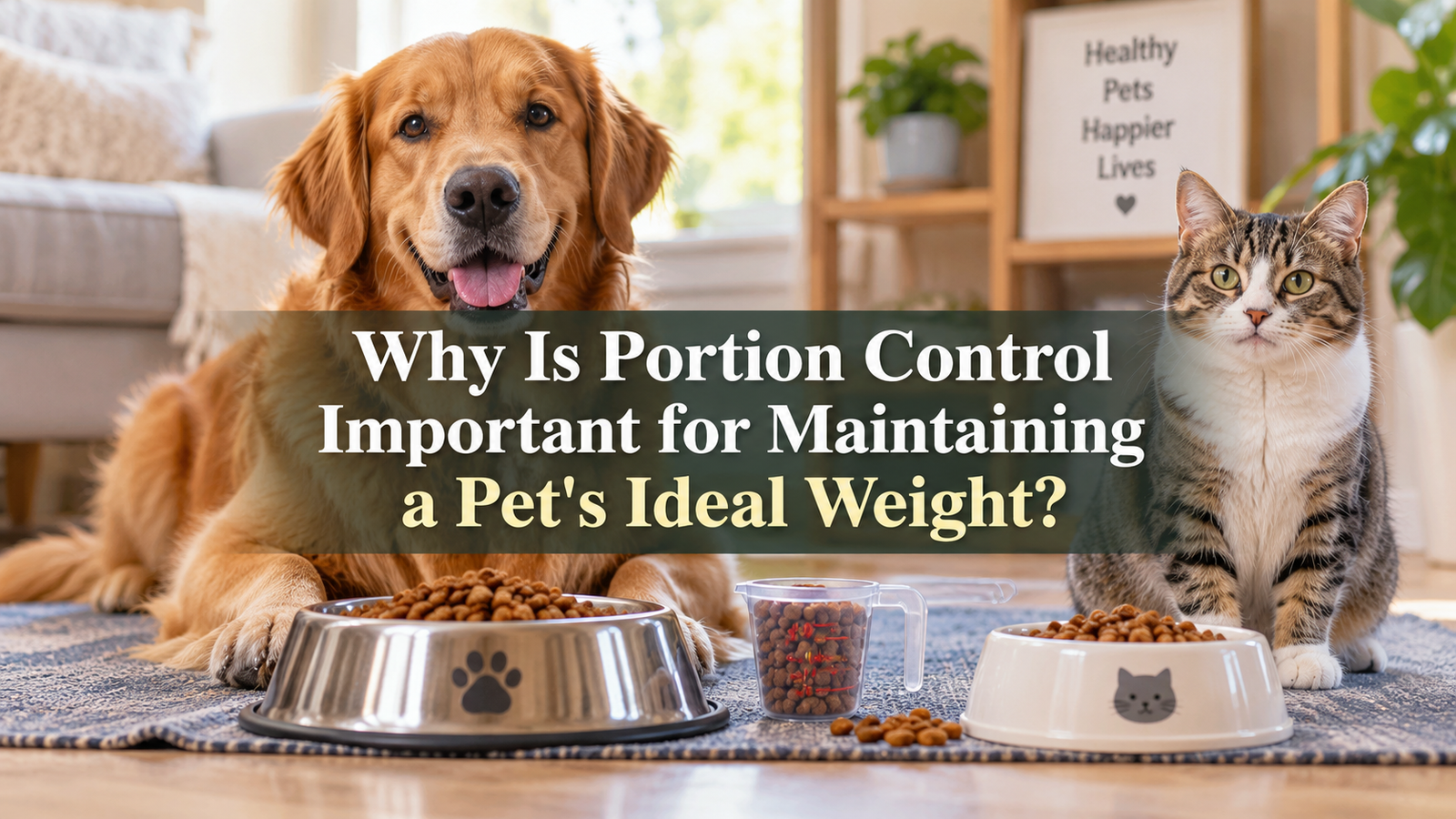
Feeding routines, portion control, and regular health monitoring are equally important.
Start by providing food suitable for your pet’s species, age, and body condition.
Measure portions according to the product’s feeding guidance, then adjust them with veterinary advice based on weight and activity.
Avoid leaving unlimited food available when doing so encourages overeating.
Provide clean water throughout the day and keep feeding bowls hygienic.
Physical activity also supports healthy weight and muscle condition.
Dogs benefit from suitable walks and playtime, while cats may enjoy climbing structures and interactive toys.
Small animals need safe opportunities for movement suited to their species.
Combining balanced nutrition with exercise, preventive healthcare, and a comfortable environment contributes to overall well being.
Frequently Asked Questions About Essential Pet Nutrients
What are the most important nutrients for pets?
The major nutritional components include water, proteins, fats, vitamins, and minerals. Carbohydrates and fiber also play important roles in many animal diets, although specific requirements vary between species.
Do pets need vitamin supplements every day?
Healthy pets eating complete and balanced diets usually do not require additional vitamin supplements. Supplements should be given when recommended by a veterinarian.
Can dogs and cats eat the same food?
Dogs and cats have different nutritional requirements. Cat food must provide specific nutrients such as taurine, and dog food is not suitable as a regular complete diet for cats.
Is homemade pet food healthier than commercial food?
Homemade food is not automatically healthier. It must be carefully formulated to provide all essential nutrients in the correct amounts. A properly manufactured complete commercial diet may be a more reliable choice for many owners.
How can I tell whether my pet is eating a balanced diet?
Check that the food is complete and balanced for the animal’s species and life stage. Regular veterinary examinations and monitoring of weight, muscle condition, and overall health can help assess whether the diet is suitable.
Conclusion
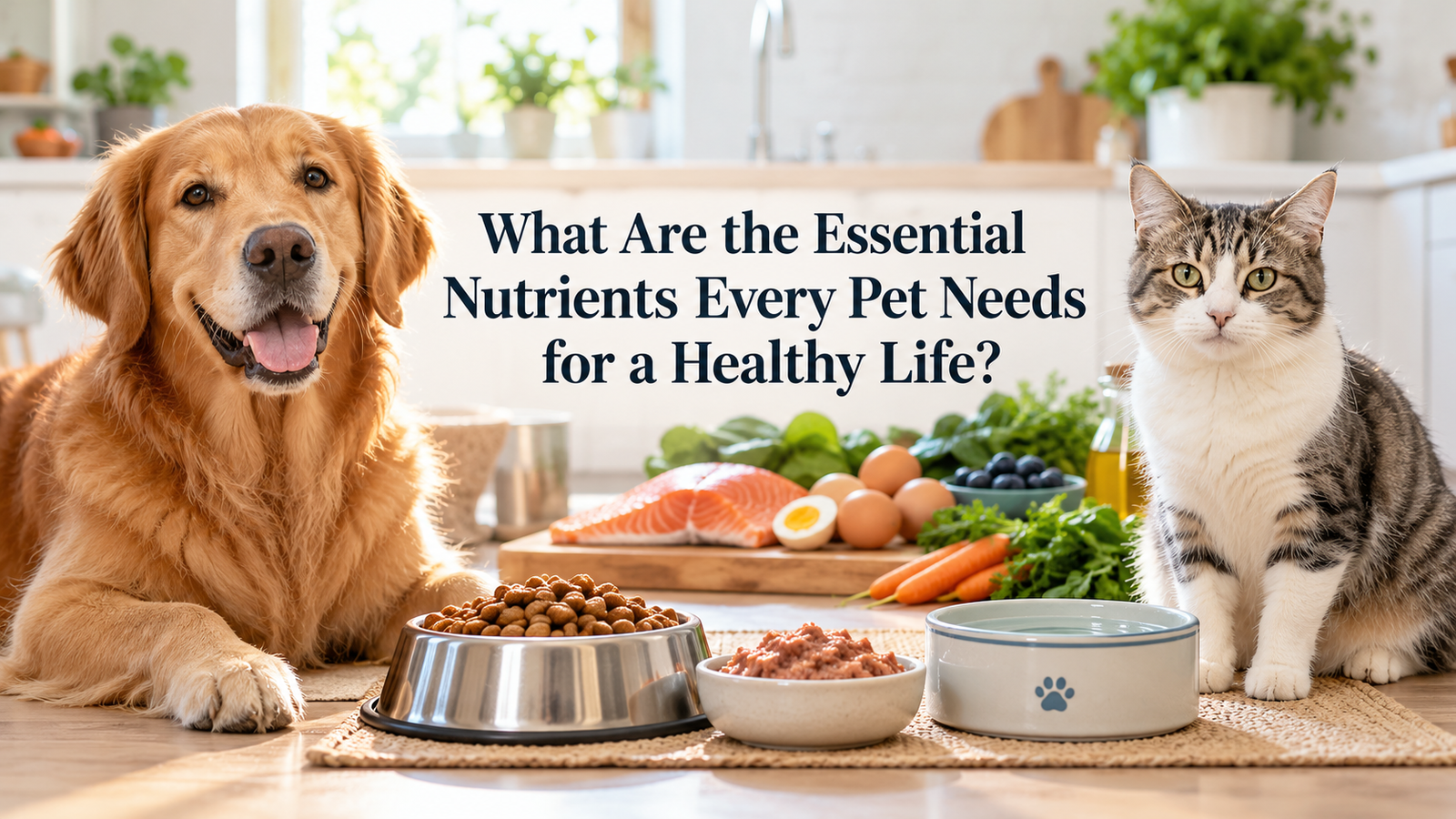
Understanding what essential nutrients every pet needs for a healthy life is an important responsibility for animal owners.
Proteins support muscles and tissue repair, fats provide energy and essential fatty acids, and vitamins and minerals contribute to normal growth and body functions. Water maintains hydration, while appropriate carbohydrates and fiber can support energy needs and digestive health.
However, the nutritional requirements of dogs, cats, rabbits, birds, and other animals are not identical.
The safest approach is to provide a complete, balanced, species appropriate diet that matches the pet’s age, activity level, and health condition.
Pet owners do not need to become nutrition experts, but learning the basic principles of animal nutrition can help them make informed feeding decisions.
With suitable nutrition, regular veterinary care, physical activity, and daily attention, pets have a better opportunity to enjoy healthy and comfortable lives.